Four players is the sweet spot most game designers are optimizing for. It’s the count where competitive tension gets interesting, teams split evenly, and nobody’s sitting out.
The problem is that not every game that claims to work for four actually does — some drag, some feel balanced for two with two extras bolted on, and some scale so poorly that the box count might as well be a lie. This list is the games that genuinely shine at four, based on time at our table and games I’d confidently tell a friend to buy.
Click here to jump to the comparison table…
If you’re looking for more recommendations, we also have lists for best gateway games for beginners, best party board games, and best two player games.
Four Player Games Comparison Table
(Click the thumbnail to jump down to the entry)
| Image | Game | Players | Time | Price |
|---|---|---|---|---|
 | Wingspan | 1–5 | 40–70 min | $$$ |
 | Catan | 3–4 | 60–120 min | $$$ |
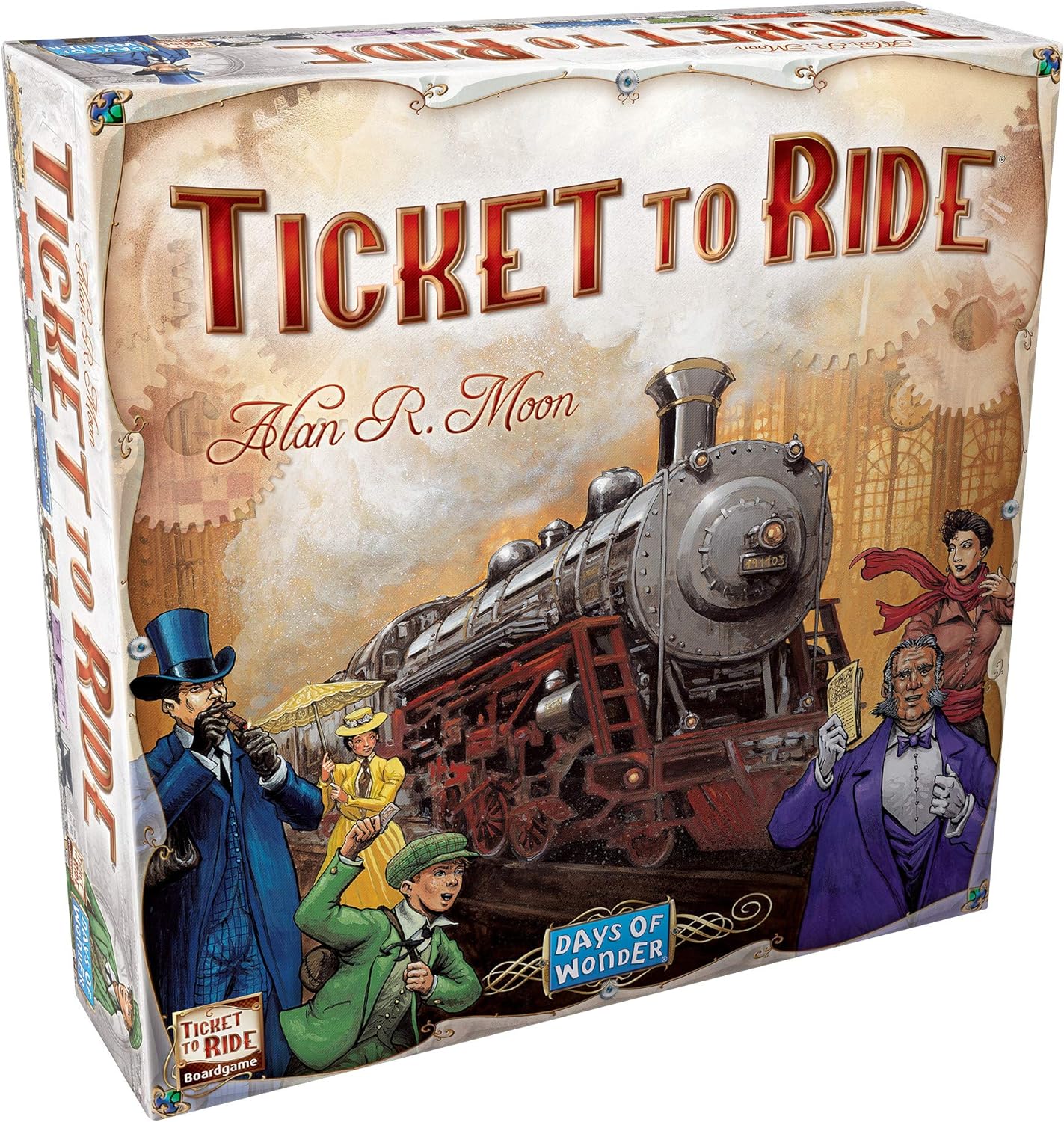 | Ticket to Ride | 2–5 | 45–75 min | $$$ |
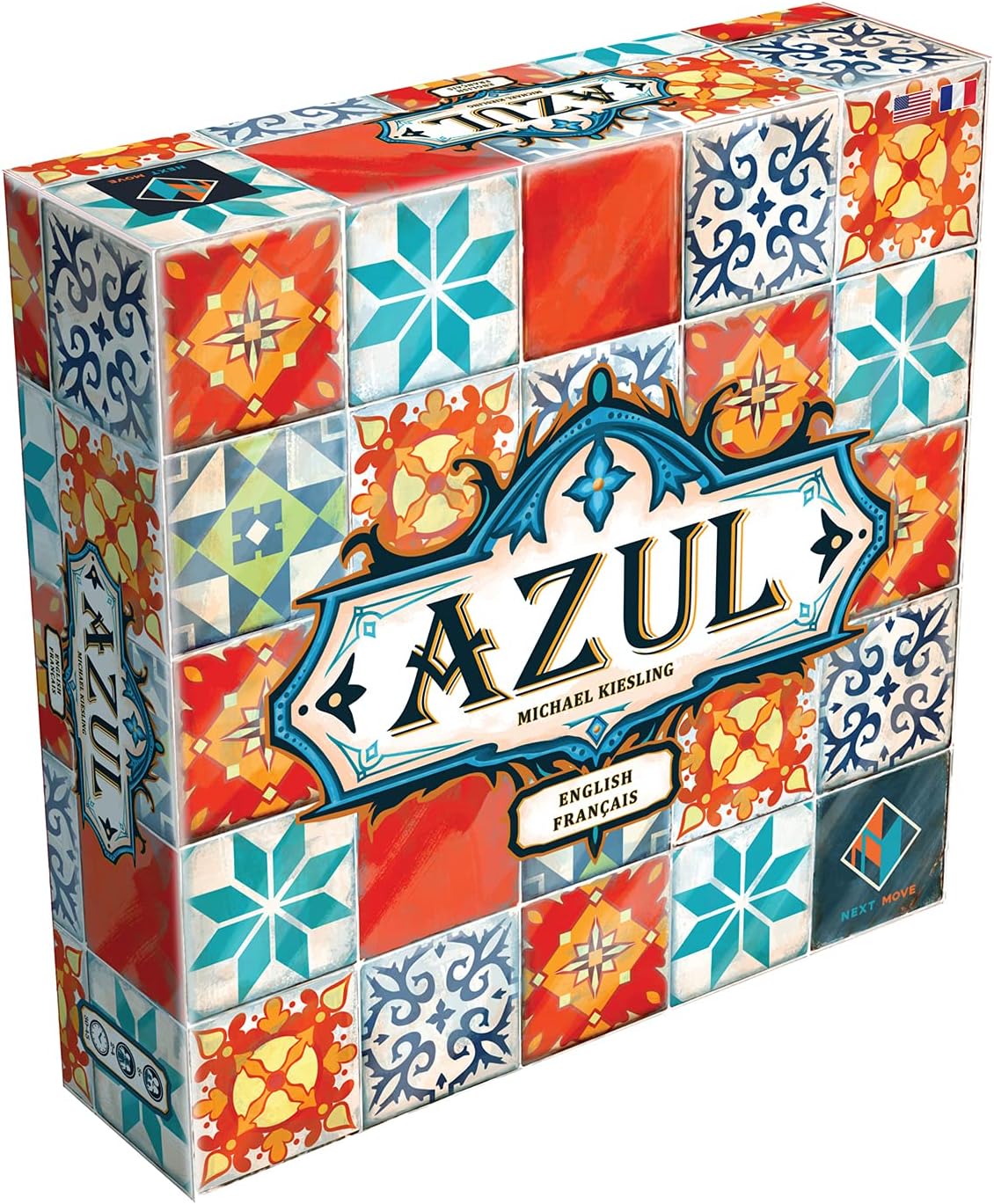 | Azul | 2–4 | 30–45 min | $$ |
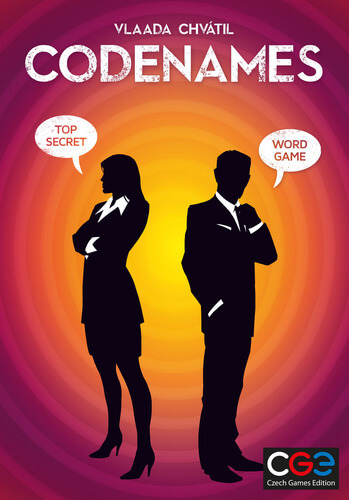 | Codenames | 2–8+ | 15–30 min | $ |
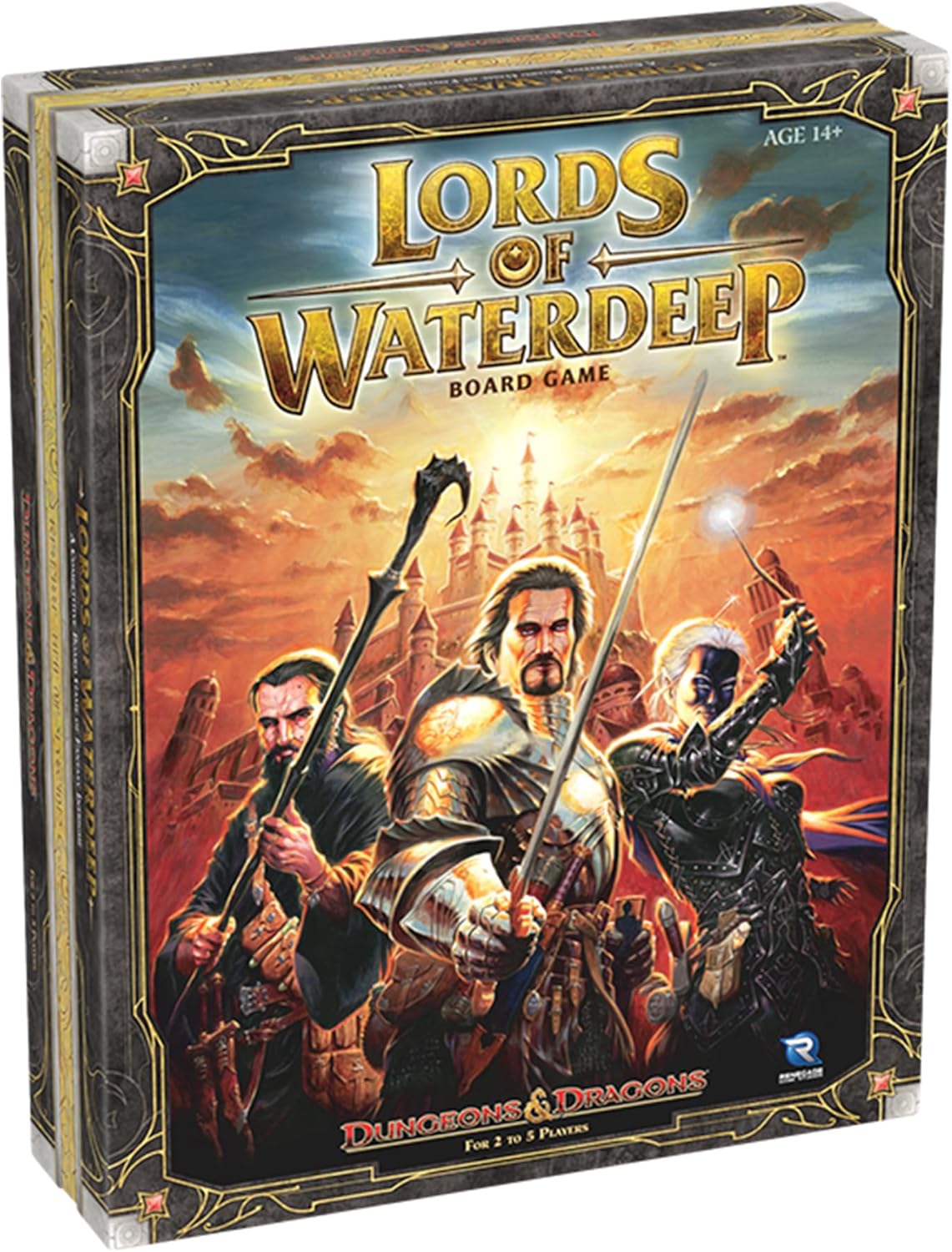 | Lords of Waterdeep | 2–5 | 60–120 min | $$$ |
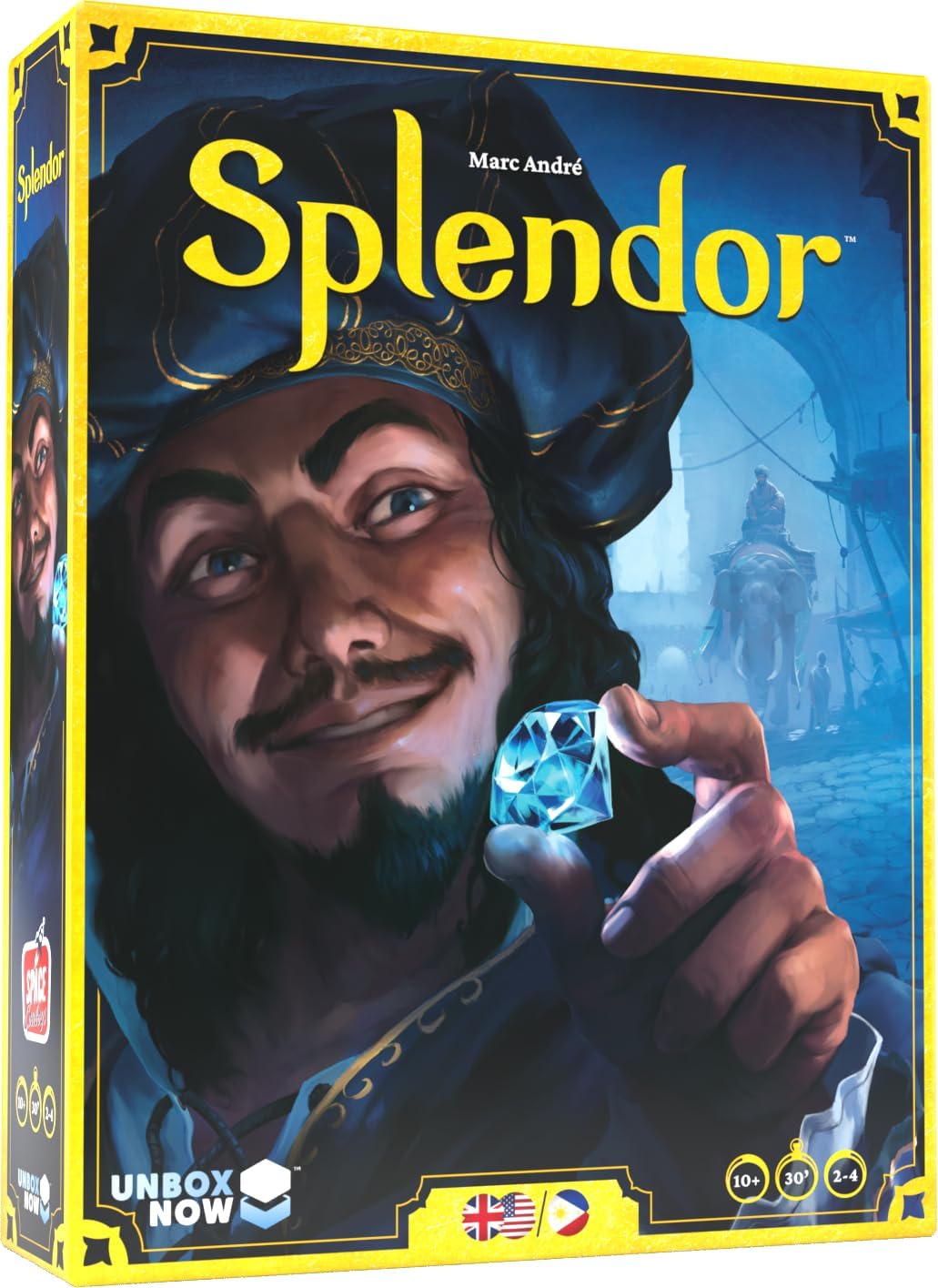 | Splendor | 2–4 | 30 min | $$ |
1. Wingspan (Full Review Here)
Wingspan works best with four. Three feels thin — you don’t have enough competition over bird habitats to matter. Four players means the round card drafts tighten up, the inter-round action competition gets real, and the egg/food economy actually feels like a constraint instead of an afterthought.
I’d played it at two first and thought it was pleasant. At four it became my group’s most-requested game for a stretch of about three months.
The habitat competition and card draft get tense in a way that two and three can’t replicate. If you’ve only ever played Wingspan at a lower count, it’s almost a different game at four.
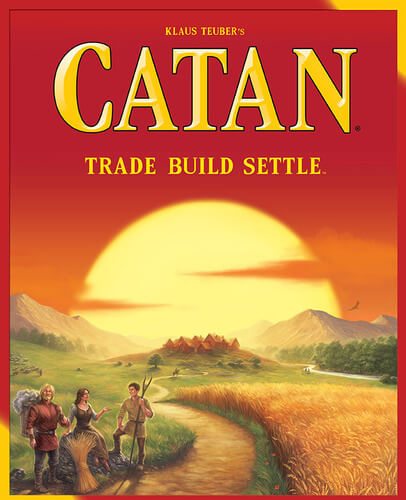
2. Catan (Full Review Here)
This was one of the first modern board games that we played, and we played it as a couple — I thought the trading felt forced and the robber was annoying. After a few more plays I got it. Catan is basically a social dynamics game wearing a resource game’s clothes, and at four you finally have enough players for that social layer to do anything. Two people trading is a transaction. Four people trading is politics.
The robber problem everyone complains about gets worse at lower counts. At four, at least there are enough targets that no one player gets blocked into the ground.
It’s essentially designed for this count. Five and six (with expansion) get chaotic. Three lacks enough negotiation mass. If you haven’t played Catan at four, you haven’t really played it.
3. Ticket to Ride (Full Review Here)
I used to think Ticket to Ride was just a gateway game you graduate away from. Then we played it with four competitive people and I had to revise that. Route blocking becomes a real weapon at four — someone will cut off your longest path on purpose, and you either adapt or lose six points on a failed destination. That sting is what makes it fun.
Setup is fast. Rules take about ten minutes to explain. It’s one of the cleanest onboarding experiences in board gaming, which is why it’s still the game I reach for when introducing new players who don’t want to wade through a rules book.
Enough pressure on routes to matter, not so many players that turns take forever. It also works great as the first game of the night with a mixed group — experienced players and newcomers both stay engaged.
4. Azul
Azul is the surprise on this list. It looks like a light abstract game — colorful tiles, clean design, could be a kids game. It is not a kids game. At four players, the tile-drafting becomes a puzzle of denying as much as claiming, and someone always ends the game furious about a tile they needed that someone else “accidentally” pulled.
Rounds are quick. Downtime between turns is low. The whole game wraps in about 45 minutes and leaves everyone wanting one more round. We’ve done that three times in a night.
The factory display tile counts are built for this player count. At two it’s solvable; at four there’s genuine chaos in the best possible way. Compact, affordable, and genuinely competitive — this is the hidden gem on the list.
5. Codenames (Full Review Here)
You need four for Codenames. Two-player cooperative works, but it’s not the same game — you’re missing the friction of one person knowing exactly what the Spymaster means and another person confidently going for the wrong card. That moment where your teammate chooses the assassin card and you can’t say anything: that’s what Codenames is. It only exists at four-plus.
The game plays fast — 20 to 30 minutes most rounds. We run it as a warmup before longer games or a closer at the end of the night when attention is fading.
It’s a team game, and you need teams. Once you have them, this is one of the most replayable games on the list — no two rounds are the same.
6. Lords of Waterdeep (Full Review Here)
Lords of Waterdeep is a worker placement game that doesn’t feel like a worker placement game until someone explains why they just blocked the spot you needed. D&D theme, clean mechanics, and a quest card system that keeps it moving without getting bogged down. At four, the board fills up enough that every placement decision has weight. At two it feels sparse.
The included box insert is excellent — one of the few games where setup takes under five minutes even with all the components. Worth noting for groups that hate a long teardown.
Worker placement lives and dies by player count. Four is the minimum before the spots actually feel contested. If you’ve ever been curious about the genre, this is the one to start with.
7. Splendor (Full Review Here)
Splendor is the fastest teach on this list. The rules fit on a single card. But at four players the gem chip economy gets stretched just enough that you start feeling real pressure — someone’s always three moves ahead, and the card development choices that felt free at two become hard decisions at four.
It runs about 30 minutes and feels complete. No filler — every turn matters toward the end. A good option for a group that doesn’t want to commit to 90 minutes but still wants something with real decisions.
Chip scarcity is the whole game. You need four people competing for it to feel real.
Conclusion
The games on this list work at four because they were either designed for it or scale into it well — not because the box says 2–6. If I had to pick one starter for a new group of four, it’s Ticket to Ride for mixed experience levels, or Wingspan if everyone already plays games. Both will stay in the collection.
For groups looking to branch out: Azul is the hidden gem here. Compact, affordable, fast, and genuinely competitive. Try it before you count it out based on the look.
Looking for something to play one-on-one? Check out our Best Two Player Board Games list. Or if you’re hosting a big group, see our Best Party Board Games.
Thumbnail image artificially generated for illustrative purposes.