Four players is probably the most common game night count. Two couples, a group of friends who all showed up, whatever — most groups land here naturally, and most games are designed with it in mind. That’s the problem. Nearly every box says “2–4 players” or “3–5 players.” The count being supported doesn’t mean the game is good at it.
Some games bog down at four. Some are designed for two and feel thin with more. Some technically allow four but are clearly built for six and you’re just tolerating the smaller count. What we were actually looking for: games that hit a specific kind of tension, balance, and social energy that makes four feel like exactly the right number.
Click here to jump to the comparison table…
We pulled from BoardGameGeek community polls, Reddit recommendations, and several dedicated best-of lists to build this — not just the games already in our collection. The result covers a range: gateway games, worker placement, engine builders, cooperative play, bluffing, and quick social games. Something here fits any kind of four-person game night.
Best Board Games for 4 Players Comparison Table
(Click the thumbnail to jump down to the entry)
| Image | Game | Players | Time | Price |
|---|---|---|---|---|
 | Catan | 3–4 | 60–90 min | $$ |
 | Ticket to Ride | 2–5 | 45–75 min | $$ |
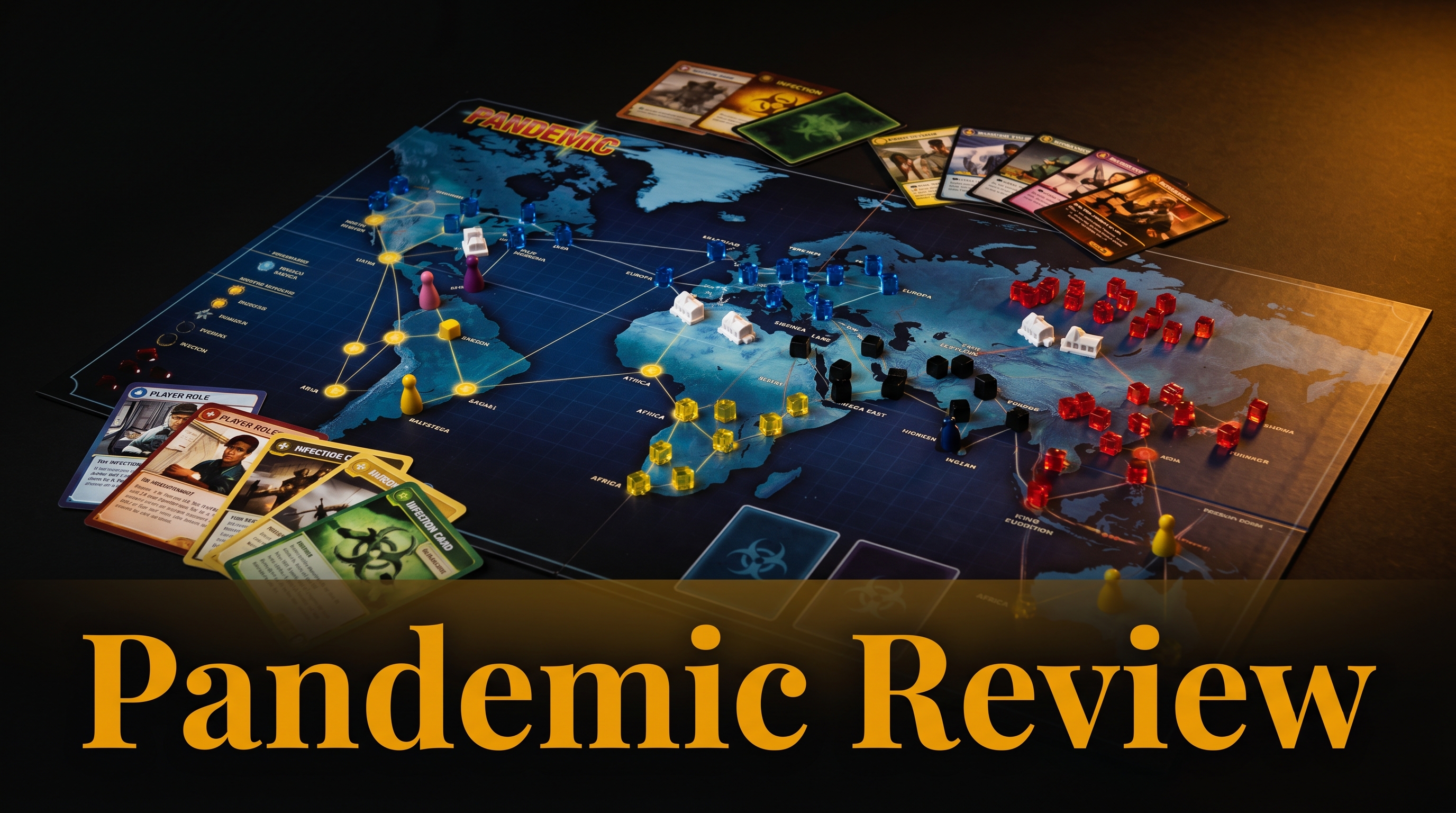 | Pandemic | 2–4 | 45–60 min | $$ |
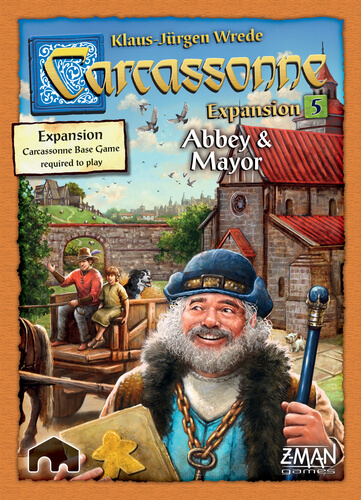 | Carcassonne | 2–5 | 30–45 min | $ |
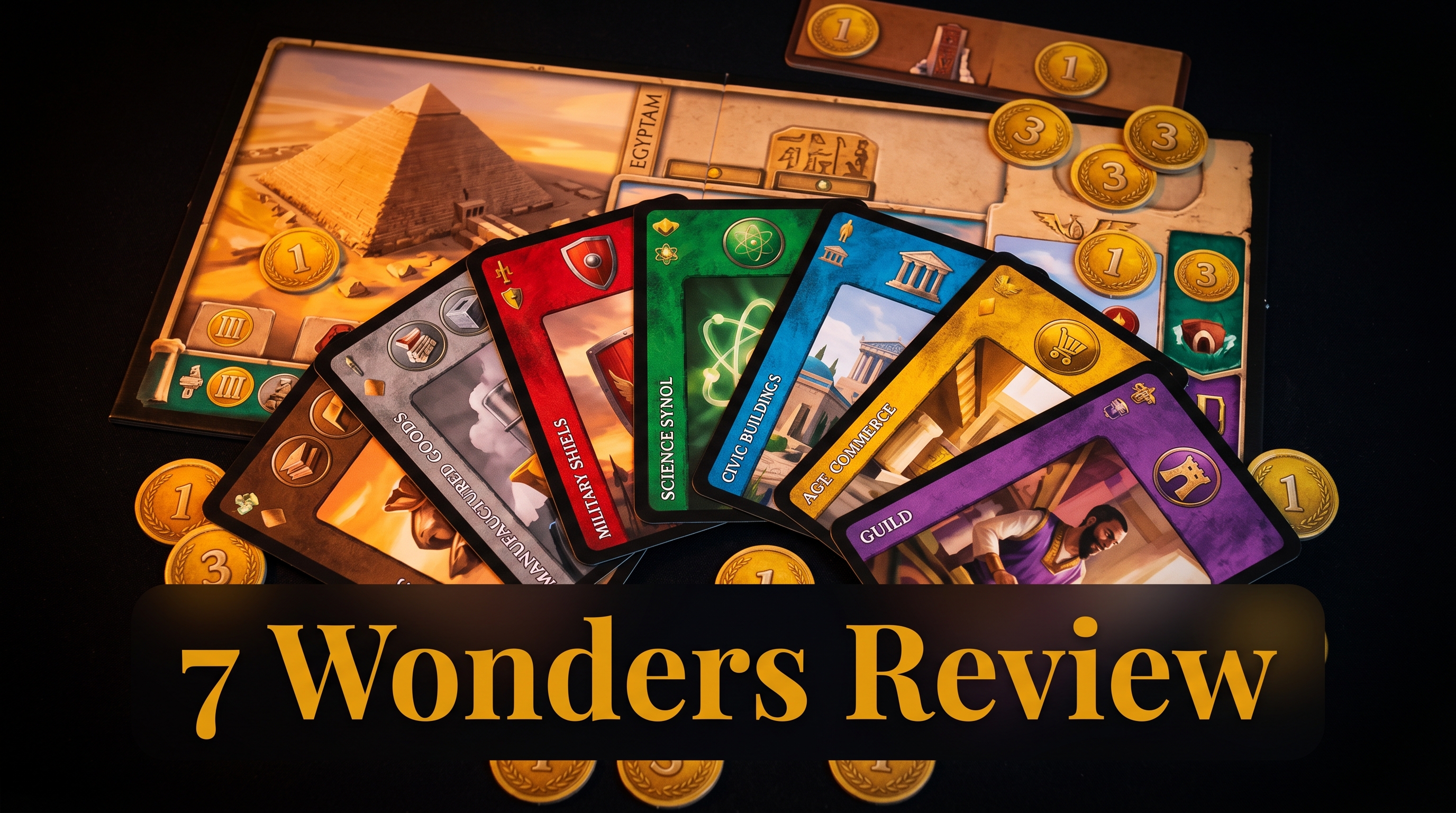 | 7 Wonders | 3–7 | 30 min | $$ |
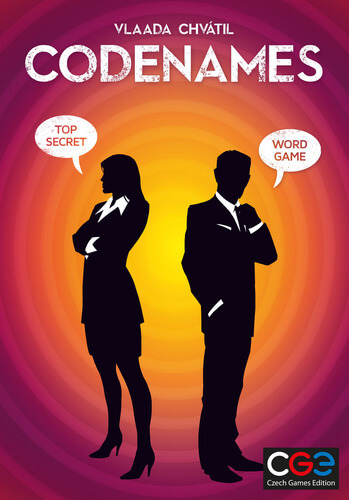 | Codenames | 2–8 | 15–30 min | $ |
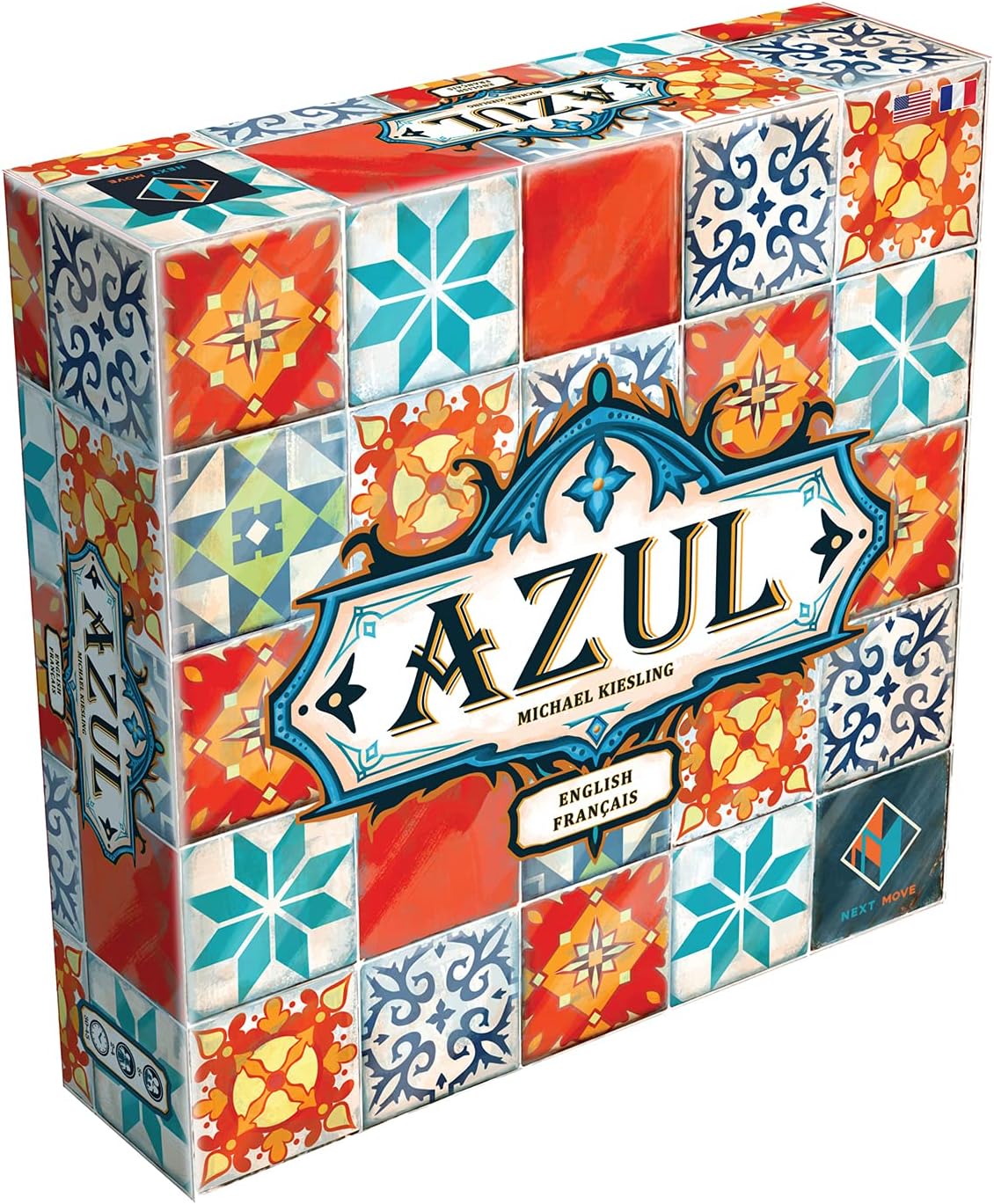 | Azul | 2–4 | 30–45 min | $$ |
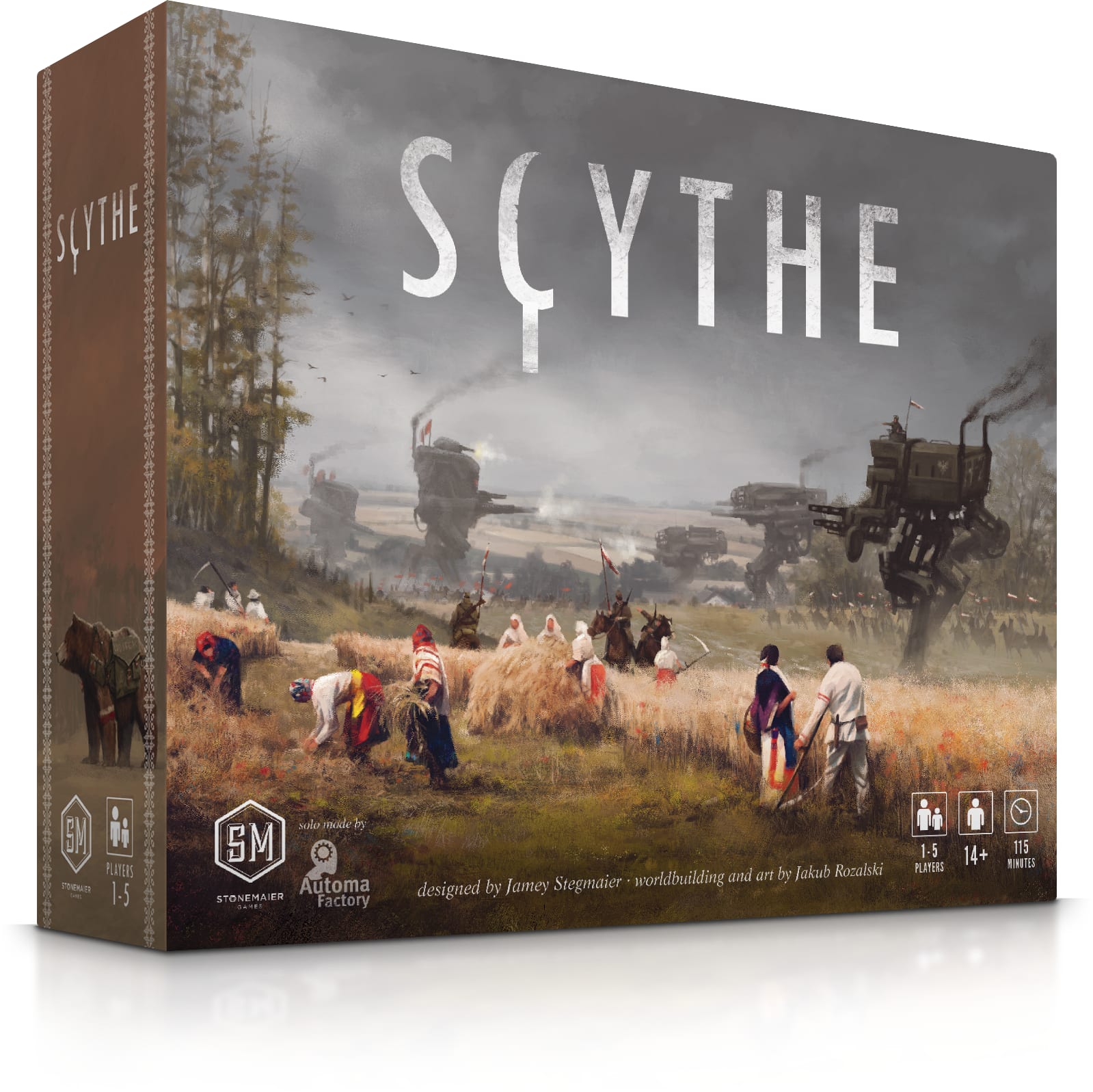 | Scythe | 1–5 | 90–120 min | $$$ |
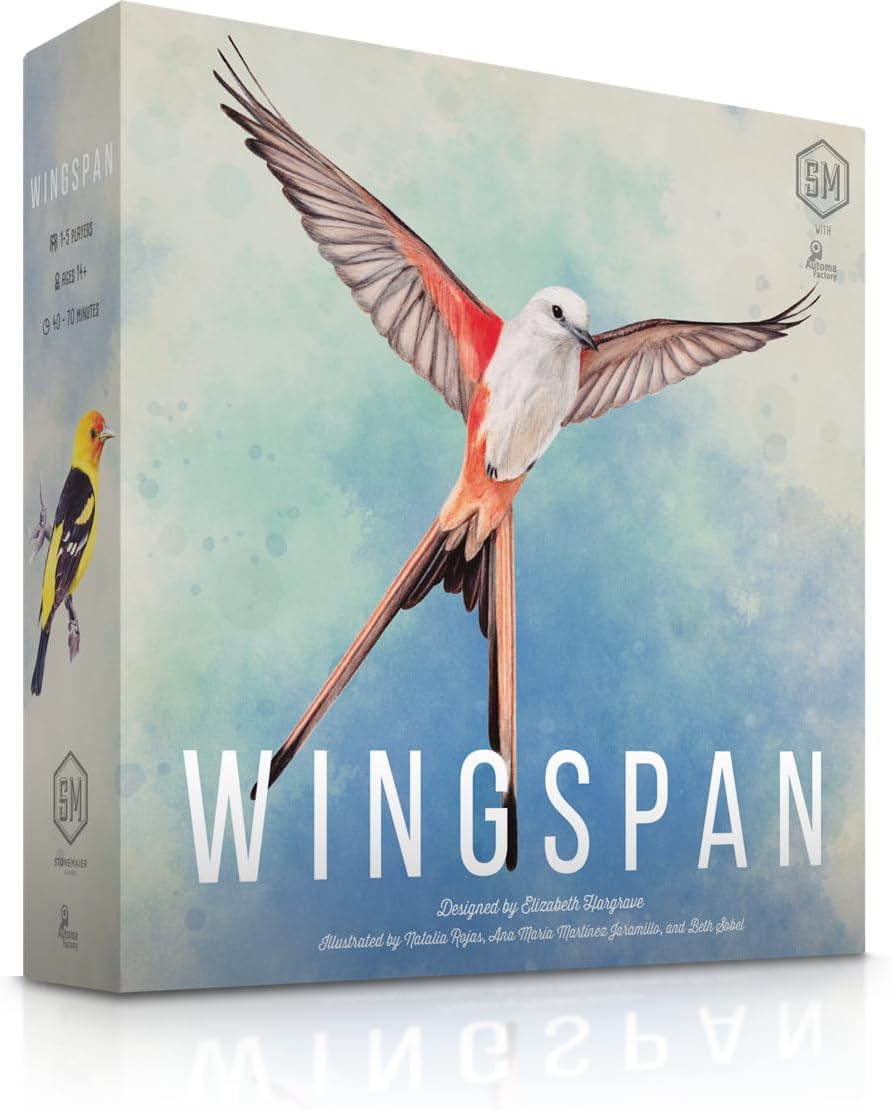 | Wingspan | 1–5 | 40–70 min | $$ |
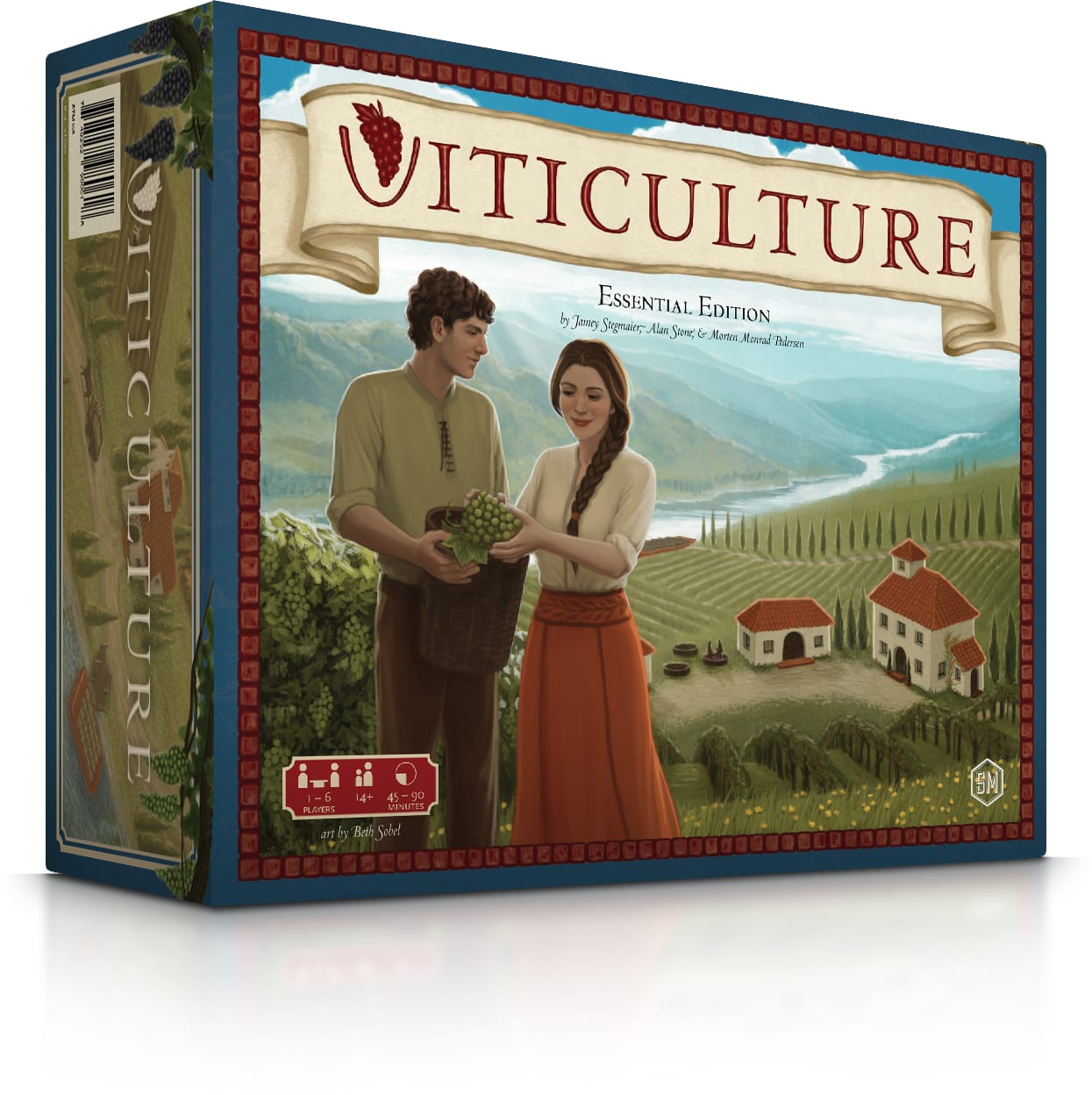 | Viticulture | 1–6 | 45–90 min | $$ |
1. Catan (Full Review Here)
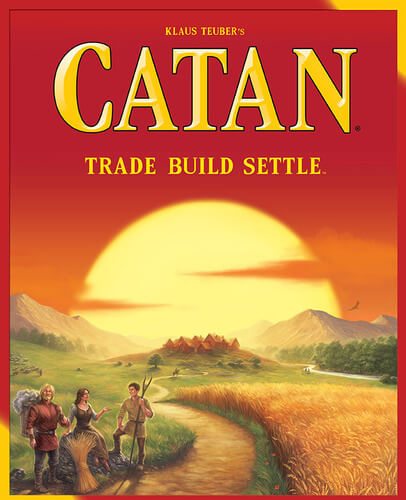
Catan is the game that pulled a generation of people into modern board gaming, and it earned that position. You’re building roads and settlements, collecting resources, and trading your way to ten victory points on a modular hex board. The mechanics are simple. What isn’t simple is the negotiation layer — who will trade with you, at what rate, whether someone is quietly building toward the longest road. That social texture is what Catan actually is, and it only works when there are enough people at the table to create real friction.
We played it as a couple first. Trading between two people is just math. Nobody gets annoyed. Nobody refuses to give up a wheat for reasons that are partly personal. Four players is where the game becomes itself — you need enough competition that a denied trade feels like a betrayal, and enough routes contested that placement decisions actually sting. At three it’s fine. At four it’s the game people talk about years later.
The robber mechanic gets complaints, and some of them are fair. Repeated hits on one player feel punishing. But the robber is the only confrontation in the game — without it, Catan is just a resource puzzle. The table politics around who gets targeted and why are part of what makes it replayable. A modular board means no two games start the same, and component quality has been consistent across reprints for years.
My quick take: it isn’t my favourite game, and I understand why people who’ve played it fifty times have moved on. But as an introduction to competitive, social board gaming, nothing has replaced it. Play it with four people and you’ll understand why.
2. Ticket to Ride (Full Review Here)
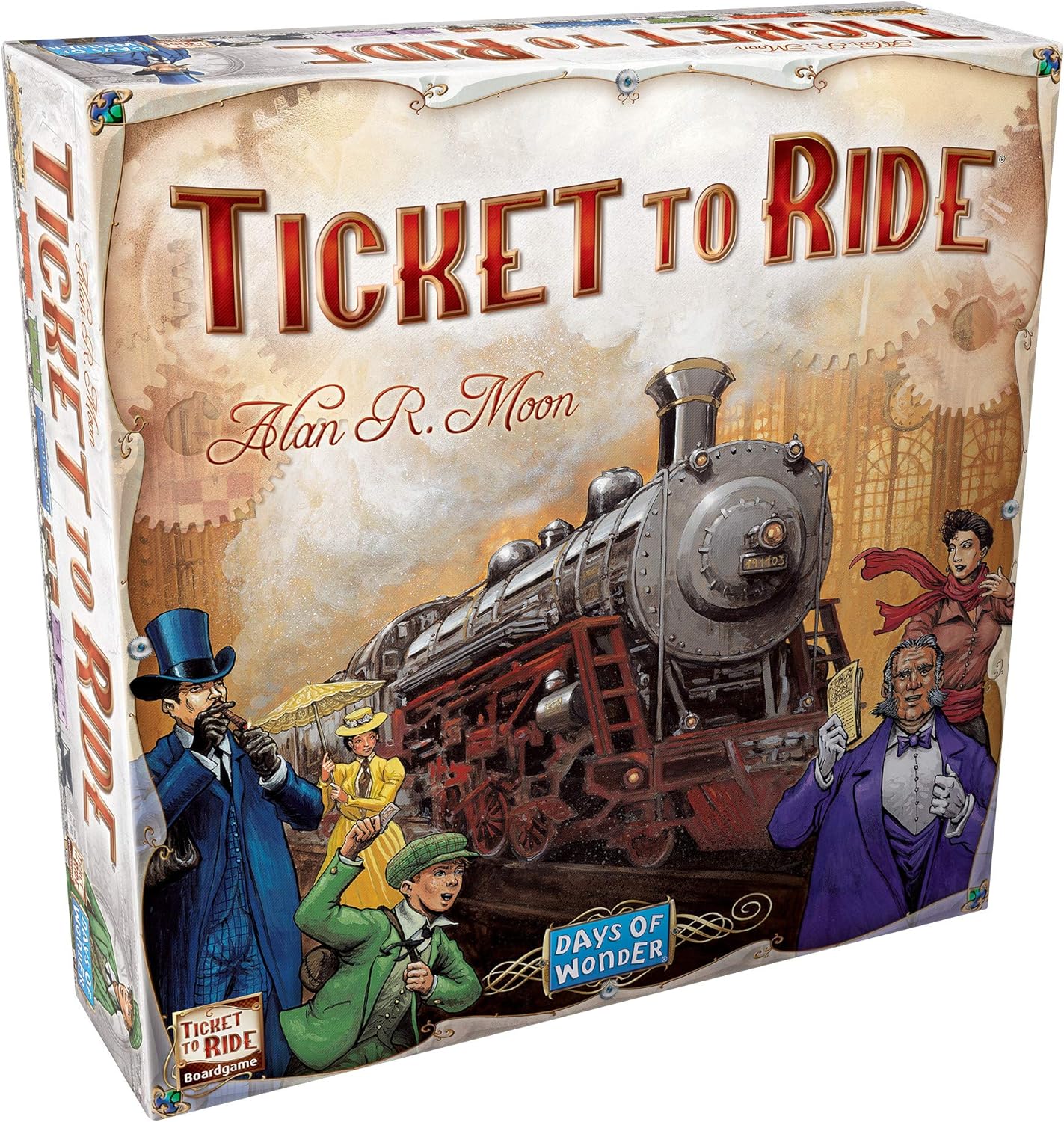
Ticket to Ride is a route-claiming game where you’re collecting coloured train cards, drawing destination tickets, and trying to connect cities across a map before someone blocks the path you needed. It teaches in ten minutes. It is not a casual game. Most groups figure this out about halfway through their first or second play, when someone claims the only double track into New York and three people realize they’d been quietly racing for the same connection.
At four players the board fills fast. Routes you were treating as safe disappear. The decision every turn — do I collect cards, claim a route, or draw new destinations — has real stakes because the window for any given route keeps shrinking. The game’s tension comes entirely from that resource scarcity, and four players is the minimum count for it to bite you on a regular basis.
The destination card system is what keeps replays interesting. You don’t know what routes your opponents are building toward, so every move is partly a guess. You’ll block people by accident. You’ll do it on purpose and feel great about it. That eleven-point swing when someone claims your last segment — triumph to failure in one move — is one of the best moments in any game on this list.
Components are excellent for the price. Small coloured train miniatures, a clean board, setup in five minutes. Within our group we’ve watched four different couples go home and order it the next day. It’s that kind of game.
3. Pandemic (Full Review Here)
Pandemic is the cooperative game on this list, and it’s the one that finally made me understand why cooperative games work. You’re a team of specialists — Medic, Scientist, Researcher, Dispatcher — trying to contain and cure four diseases spreading across a global map. The game actively fights you. Every round infections spread, outbreaks cascade, Epidemic cards shuffle the discard pile back into the deck so recently-hit cities come up again faster. The last few turns of most games feel like a controlled collapse.
Four is the right count because four roles cover the problem completely. One person clears cubes. One drives toward cures. One moves cards around the globe. Someone manages logistics. The interdependence is real — what looks like a local decision on your turn has downstream effects on someone else’s. That coordination cost is where the game lives. I went in skeptical of cooperative games entirely. We lost the first two attempts and won the third by one turn. Played three more times that night.
One thing to watch for: a dominant personality at the table can essentially solo the game while three people listen. It happens and the game doesn’t prevent it. Some groups love the collaborative discussion; others find it exhausting. Know your group before committing.
Pandemic has a four-player cap, which keeps it off any “scales to large groups” list. But at exactly four it’s one of the best experiences in the hobby — short turns, constant pressure, and a genuine feeling of barely keeping ahead until the very end.
4. Carcassonne (Full Review Here)
Carcassonne is a tile-laying game where the board doesn’t exist at the start — you build it together. Each turn you flip a tile and place it where it connects: roads to roads, city walls to city walls, fields to fields. Then you decide whether to place a meeple on what you’ve placed, claiming it for points once it completes. The rules fit on two pages. The decisions behind them take a few games to fully understand.
It was the first hobby board game I ever played, pulled out at a family gathering after dinner. I expected something in the Scrabble zone. Instead a landscape grew across the table and I lost by a single farmer point I hadn’t seen coming. Played it again the same night. The meeple scarcity is the thing: you only have seven. Placing one means committing to a structure you can’t guarantee will close. Leaving one on a city that never completes means it scored nothing all game. That calculation — is this worth a meeple right now? — runs through every single turn.
Four players fills the board at the right pace. The landscape gets contested fast, open farmland disappears, and someone inevitably extends into a city segment you needed to close. The luck of the draw on tiles keeps experienced players from running away with it. A partial house rule we’ve settled on: when someone draws a tile, everyone can suggest where it fits — you can be ostensibly helping while quietly pointing toward a placement that benefits you.
It also introduced us to meeples. Important.
5. 7 Wonders (Full Review Here)
7 Wonders is a civilization-building card drafting game that plays in thirty minutes regardless of player count. You’re developing military, commerce, and science over three ages, drafting one card per round from a hand of seven and passing the rest. The card you pass goes to your neighbour. The card they pass comes to you. What you give is as important as what you keep, and once you internalise that, the game changes.
At four players you have three neighbours affecting your drafts instead of two. That’s the sweet spot — enough influence around the table that the passing logic stays interesting, not so many that you lose track of who needs what. First play was slow for us. The iconography takes a couple of games to stop referencing. By the third play it was one of the smoothest games in our rotation.
Multiple scoring paths keep the strategy from feeling solved. Military tokens, commercial engines, science sets, Wonder stages — every player builds differently even sitting in the same seat. Science is high-ceiling but punishing if you miss the third symbol in a set. Commerce is quiet and tends to be underestimated until someone wins on it. No two games play out the same.
The thirty-minute ceiling is the best thing about it. It’s a complete, satisfying game that doesn’t drag. You can fit it anywhere in a game night and leave people wanting another round rather than checking the time.
6. Codenames (Full Review Here)
Codenames splits four people into two teams of two. Each team has a Spymaster who can see which words on a 5×5 grid belong to their team. The Spymaster gives one-word clues pointing to multiple cards at once — their partner has to figure out which ones. Touch the assassin card and the game ends immediately for the wrong team.
The Spymaster role is genuinely difficult in a way most party games aren’t. Linking two words with a single clue is fine. Linking four is a puzzle that requires real lateral thinking, and doing it across the table from someone who’s watching your face is its own thing. We once had a Spymaster give a clue that correctly pointed to three words — and their partner, reading the hesitation, skipped two of them to stay safe. That decision lived on as a running argument for months.
Four players — two per team — is the format the game is built for. With bigger teams per side there’s too much discussion before each guess, the momentum dies, and the Spymaster loses control of what the clue was even supposed to mean. Two guessers per team is the right count: enough for a second perspective, not enough for a committee.
Games take fifteen minutes. Short enough that a bad loss is recoverable, long enough that winning feels earned. Use it as an opener, a closer, or a palate cleanser. It works in every slot of a game night.
7. Azul
Azul is an abstract tile-drafting game about decorating a palace wall with Portuguese azulejo tiles. Each turn you pick all tiles of one colour from a factory display and place them in a pattern row on your board. Whatever tiles you didn’t pick slide to the centre, and someone has to take those too. At end of round, any tiles you couldn’t place cost you points. That leftover penalty is the whole game — managing what goes to the centre, what gets forced on other players, and when you take a bad draft to deny a better one.
I dismissed this game as too abstract for years, which was wrong. First play corrected it: within two rounds I was picking tiles I didn’t particularly want just to deny my opponent the colour they needed. Lost the game badly. Wanted a rematch immediately.
Four players is where Azul becomes competitive. The factory displays scale with player count, and at four there are enough tiles cycling through the centre that every round creates genuine scarcity. Colours you were planning to take disappear. The bad-draft options in the centre pile up in ways that hurt. At two players the game is good. At four it’s sharp.
The physical components deserve a specific mention. The tiles are thick, heavy, and satisfying to pick up in a way cardboard can’t replicate. Setting up Azul on the table draws people over to ask what it is before the rules have even been explained. One of the best abstract games made in the last decade.
8. Scythe
Scythe looks like a war game. Giant mechs on the cover, asymmetric factions, territory control on a dieselpunk 1920s map of Eastern Europe. It is not, primarily, a war game. Combat is possible and matters strategically, but the core is an engine-building, resource-management game where every player races to complete six achievements across a set of objectives. Territory and military presence influence your score, but the player who fights the most doesn’t usually win.
Five asymmetric factions mean every game feels different depending on who’s at the table. One faction moves differently. One starts with an economic advantage. One has a built-in combat edge. Each faction pairs with a different player board, compounding the asymmetry further. The same player can sit in the same seat and have a completely different game the next time.
At four players the map gets contested in a way it doesn’t at two or three. Routes through important territories get claimed. The border tension between factions matters — and because combat is costly for both sides, the posturing around it is its own game within the game. Most conflicts end with players bluffing each other into thinking an attack is imminent, then backing off when the math doesn’t work out.
Setup is involved and games run ninety minutes to two hours. This isn’t a pick-up-and-play option. For groups that want something with real weight and serious replay value, Scythe earns every minute.
9. Wingspan (Full Review Here)
Wingspan is an engine-building game about attracting birds to a nature reserve. You have three habitats — forest, grassland, wetland — and each bird card you play adds a power that fires when you activate that habitat. Early turns are slow while you build. Mid-game the chains start: a bird that caches food triggers a bird that lays eggs triggers a bird that gives you bonus cards. That transition from sluggish to smooth is one of the best feelings the game produces, and it happens at a different point every time.
The bird theme was the reason I almost didn’t buy it. Sounded more like a nature exhibit than a board game. First play took ninety minutes because we kept reading bird powers aloud before placing them. Second play took sixty. Third was under fifty and we knew what we were doing. The learning curve is real but the payoff is proportional.
Wingspan is lower-conflict than most games on this list — there’s no direct attack mechanic. What keeps four players engaged are the shared end-of-round objectives, one per round, scored competitively. You track what your opponents are building, adjust your strategy to beat them to the goal, and occasionally pivot entirely when you realize someone’s three birds ahead on wetland eggs. That’s enough interaction to keep the game from feeling solitaire.
170+ bird cards means the deck never repeats. Different combinations enable different strategies, and the objectives change every game. It rewards repeat play in a way few games at this price point do.
10. Viticulture Essential Edition
Viticulture is a worker placement game set in a Tuscan vineyard. You plant vines, harvest grapes, age wine, and fill orders to earn victory points. Each year runs summer and winter phases, and your workers can only be in one place at a time — with a limited number of action spaces shared across all players, the competition for the spots you need is constant. Someone will always get to the cellar upgrade before you. Someone will always fill the wine order you needed.
What makes Viticulture hold up is the Visitor card system. Each season you draw visitor cards that offer short-term bonuses, detours, and tactical options. No two games play out the same because the visitors you draw push your strategy in different directions even if your vine layout looks identical to last game. You go in thinking you’ll age Merlot, and a visitor card changes your calculation by round three.
The grande worker mechanic — one special worker each player gets who can go to an already-occupied action space — is the sharpest single rule in the game. Every other worker placement game asks you to plan around blocked spaces. Viticulture gives you one permission slip per year to ignore that rule. Deciding when to use it, and when to save it, is the most interesting decision the game produces.
Four players is where the action space tension becomes real. Spaces fill. Priorities conflict. Someone else always wants the same summer action you needed. Games run sixty to ninety minutes once the group knows the rules, and the Tuscan winery theme is warm enough that it works for groups who prefer something lower-stakes than Scythe.
Conclusion
For a group that’s never played any of these: start with Ticket to Ride. Rules in ten minutes, competitive from the first play, scales perfectly to four. Catan is the next step if your group likes negotiation and doesn’t mind a ninety-minute session. Codenames is the one to pull out when experience levels are mixed or you need something that runs in fifteen minutes.
For groups ready to go deeper: Wingspan and Viticulture are both excellent medium-weight engine builders with different feels — Wingspan is quieter and more visual, Viticulture is tighter and more competitive. Scythe is the heavy option and earns the time investment. Azul fits anywhere as a sharp, fast abstract game that works as a closer.
Any four-person group will find something here. That was the point.
See also: Best Gateway Board Games for Beginners · Best Cooperative Board Games · Best Worker Placement Games
Thumbnail image artificially generated for illustrative purposes.