Board games have come a long way from Monopoly and Life. Today’s landscape is vast, innovative, and sometimes overwhelming. “Where do I start? What games are good? What’s a meeple? Why are they so expensive?” — these are exactly the right questions, and this guide answers all of them.
Two things to keep in mind as you get started:
First, have fun. Everyone likes different games and there’s no wrong opinion. You may hate a game we love and vice versa.
Second, ask questions. The board game community is genuinely friendly and happy to help.
Where Should I Start?
Start small and work up. If you’re overwhelmed, try a board game café first — relaxed atmosphere, knowledgeable staff, and you can try before you buy. You usually pay a small table fee, but it’s worth it.

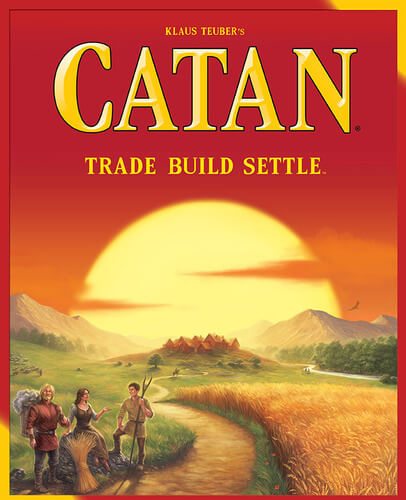
The most popular gateway game is Catan. It’s widely played, easy to find someone who already knows it, and straightforward enough to pick up quickly. If you want a full list, check out our Best Gateway Board Games for Beginners.
Reading the Box: Your Cheat Sheet
Every board game box tells you what you need to know before you buy. Here’s what to look for:
Box Info
Play Time
Usually shown as a clock icon with a time beneath it. Treat this as a guideline — real play time is longer the first few sessions. Add 10–30 minutes for rules and setup when learning.

Box Info
Recommended Age
The designer's recommendation, sometimes for adult content and sometimes for complexity. Kids often exceed these limits, so use your judgement.

Box Info
Player Count
Critical if you have a large or small group. Many games max out at 5 players. If your group is 6 and the game caps at 5, you'll need an expansion or a different game. Tip: pair an experienced player with a newbie if you're one over the limit.

Box Info
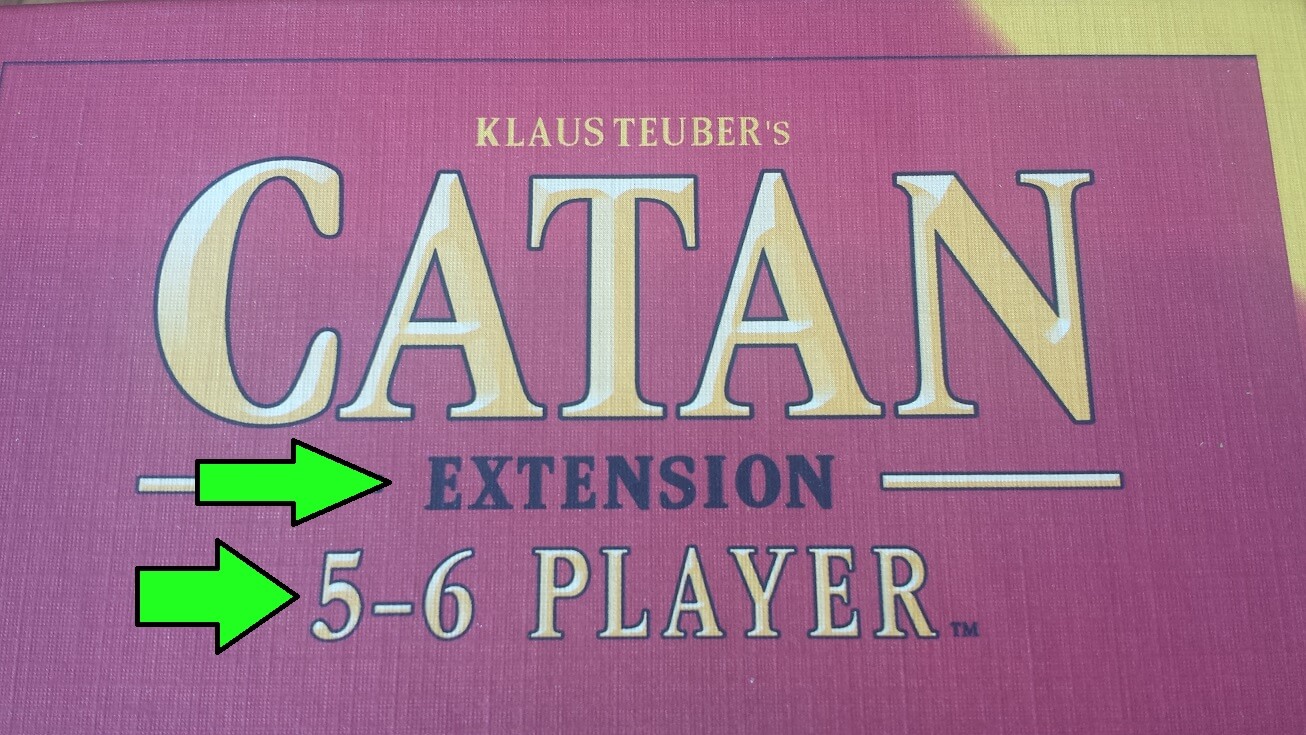
Base Game vs. Expansion
Expansions require the base game. Standalone games don't need anything extra. Always check before buying — an expansion is useless without the base.
Box Info
Publisher / Designer
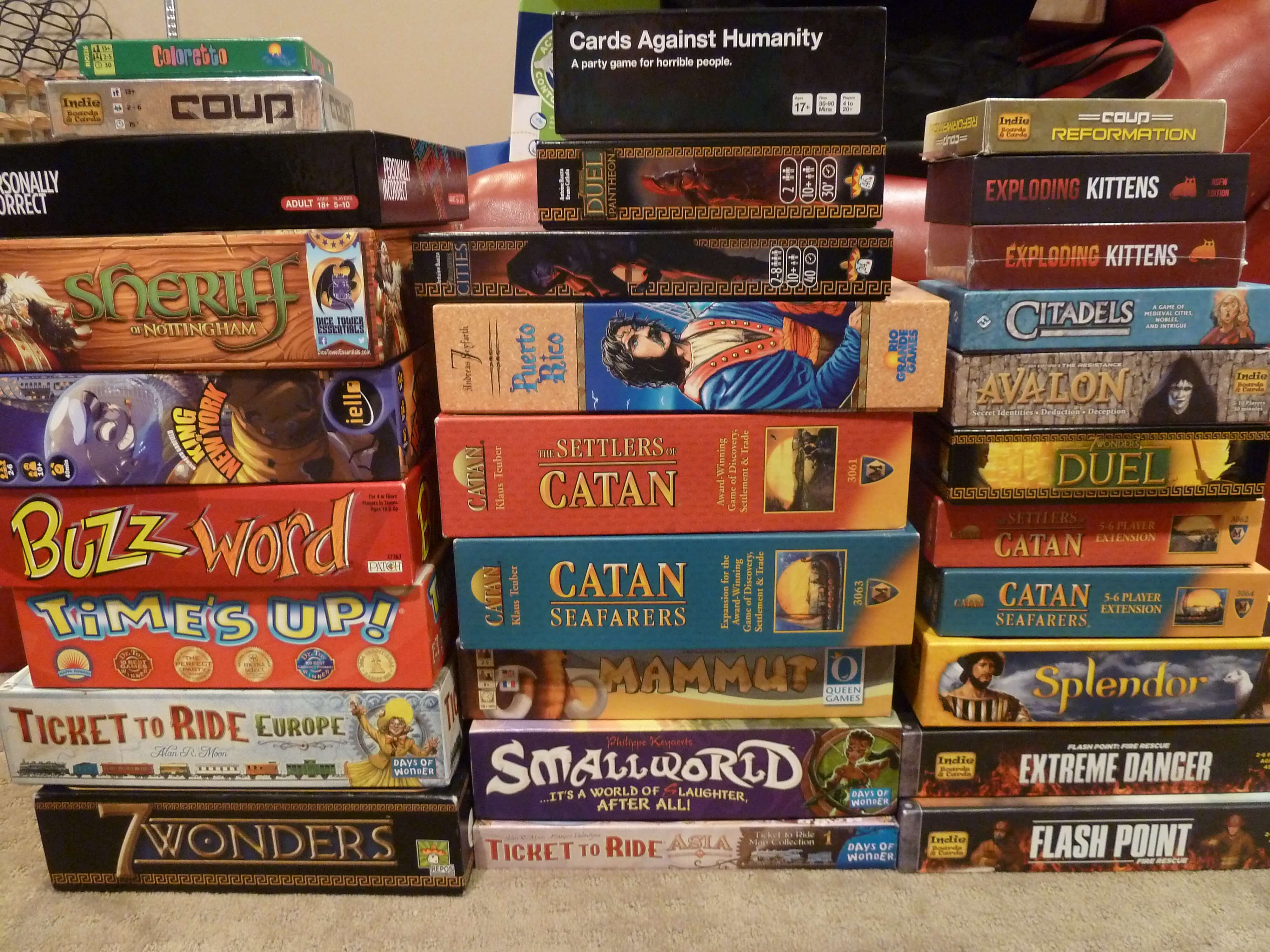
As your collection grows, you'll find yourself gravitating to certain publishers. Indie Boards & Cards makes the Resistance Universe (Coup, Avalon). Asmodee publishes Dixit, 7 Wonders, Takenoko, and more.
Box Info
Contents List
Check the contents list the very first time you open a box. Pieces are occasionally missing, and contacting the publisher is much easier before you've played.
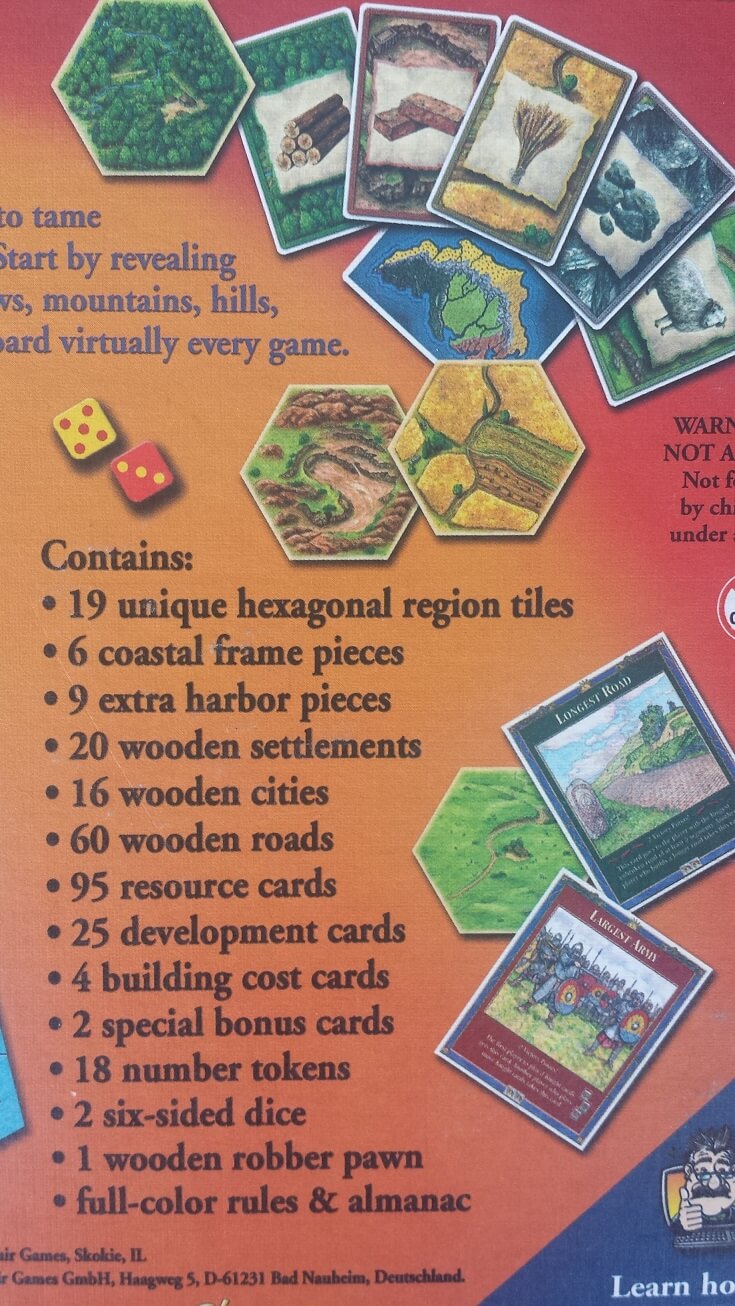
Here’s what some boxes actually look like:
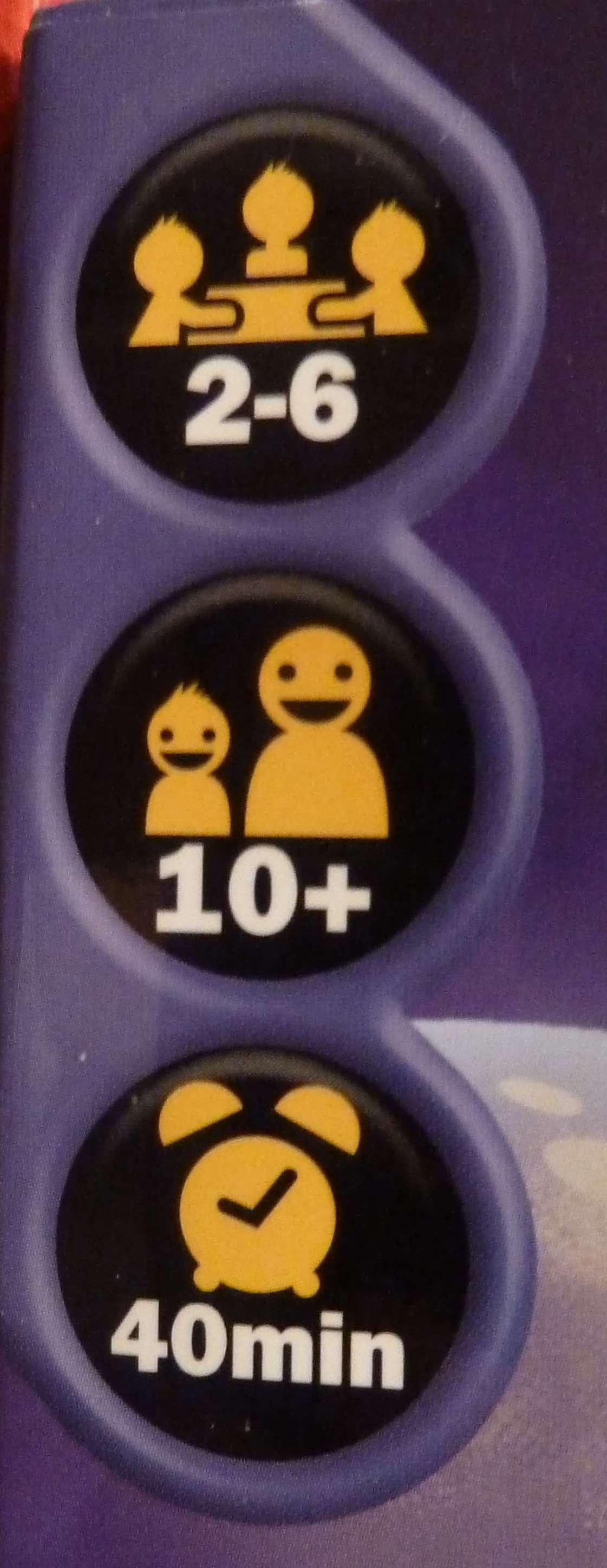
King of New York
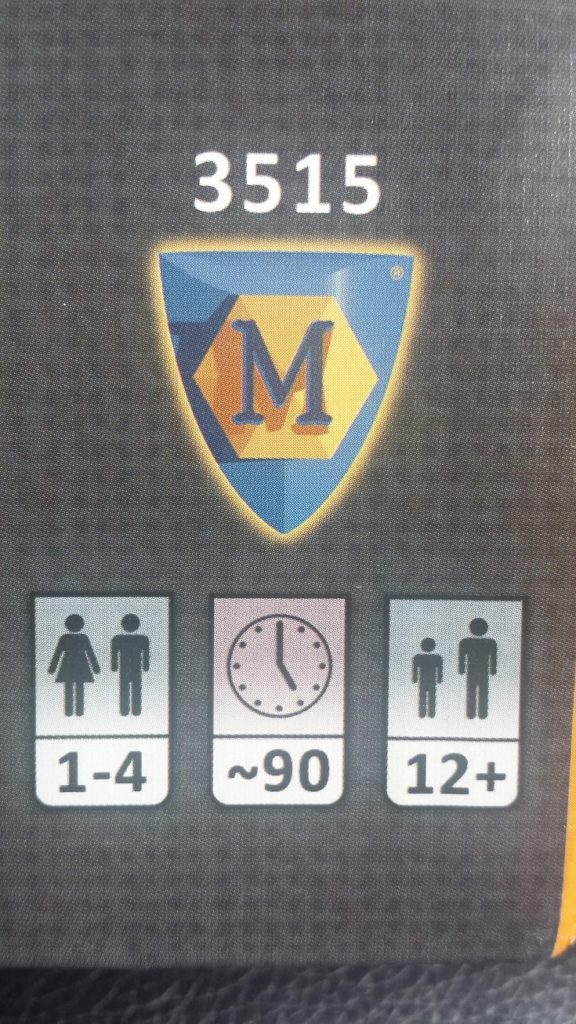
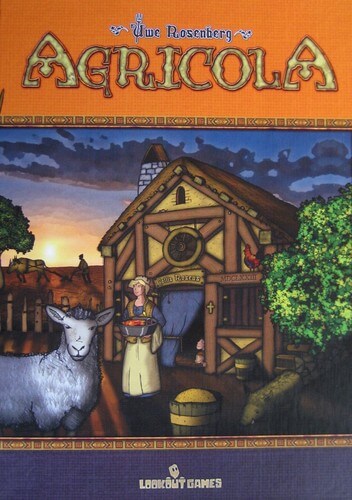
Agricola
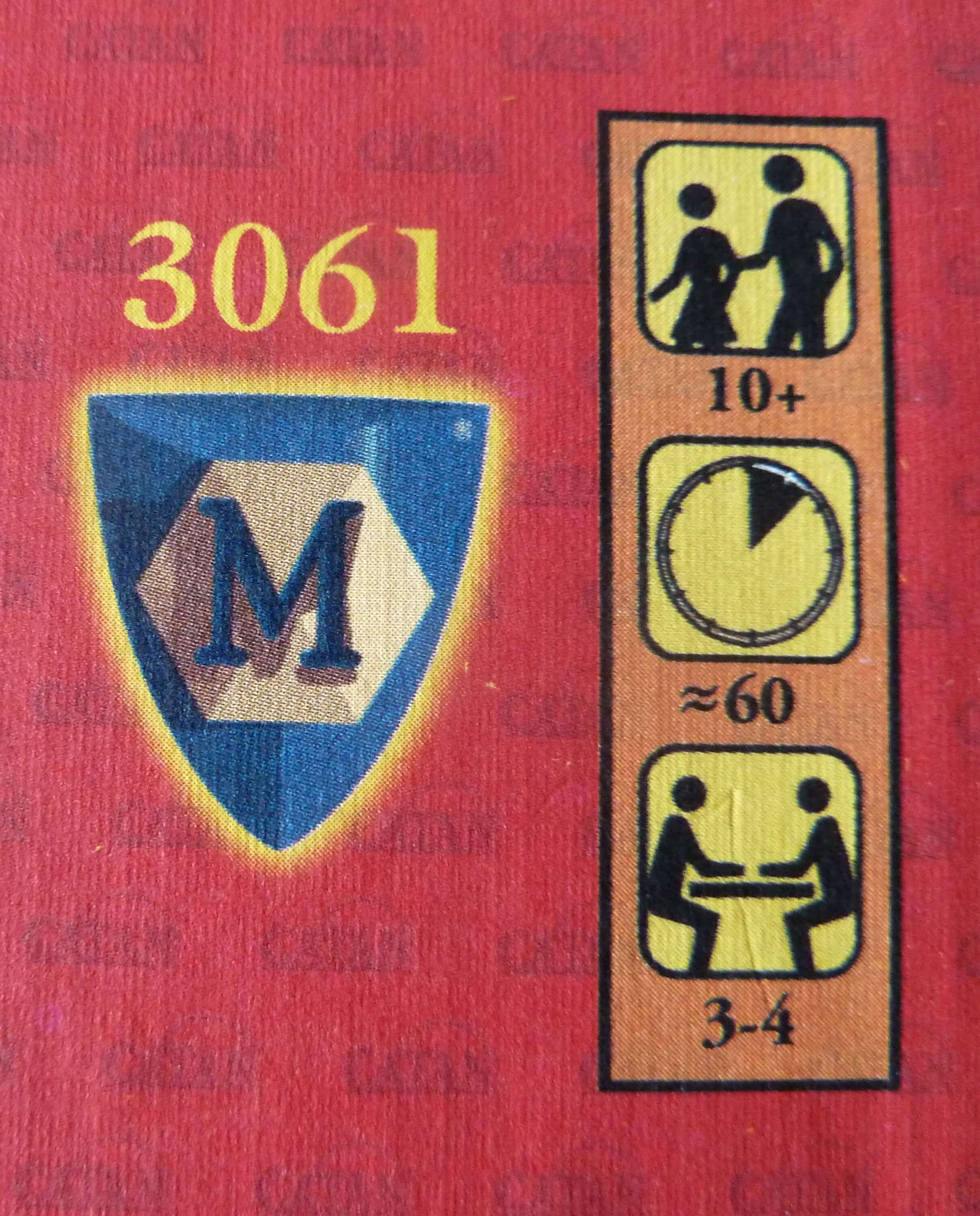
Catan
Types of Board Games
Games often fit multiple categories — these “mechanics” are the framework of how you play.
Deck Building
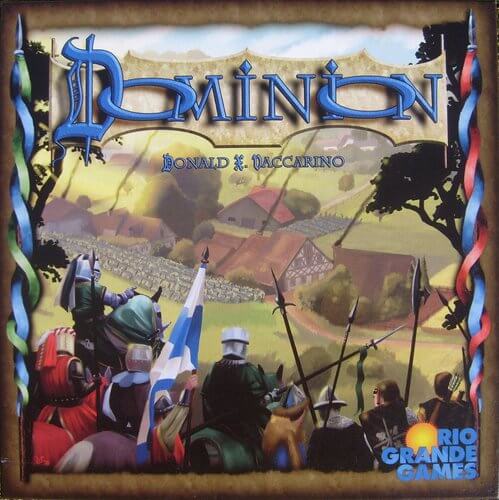
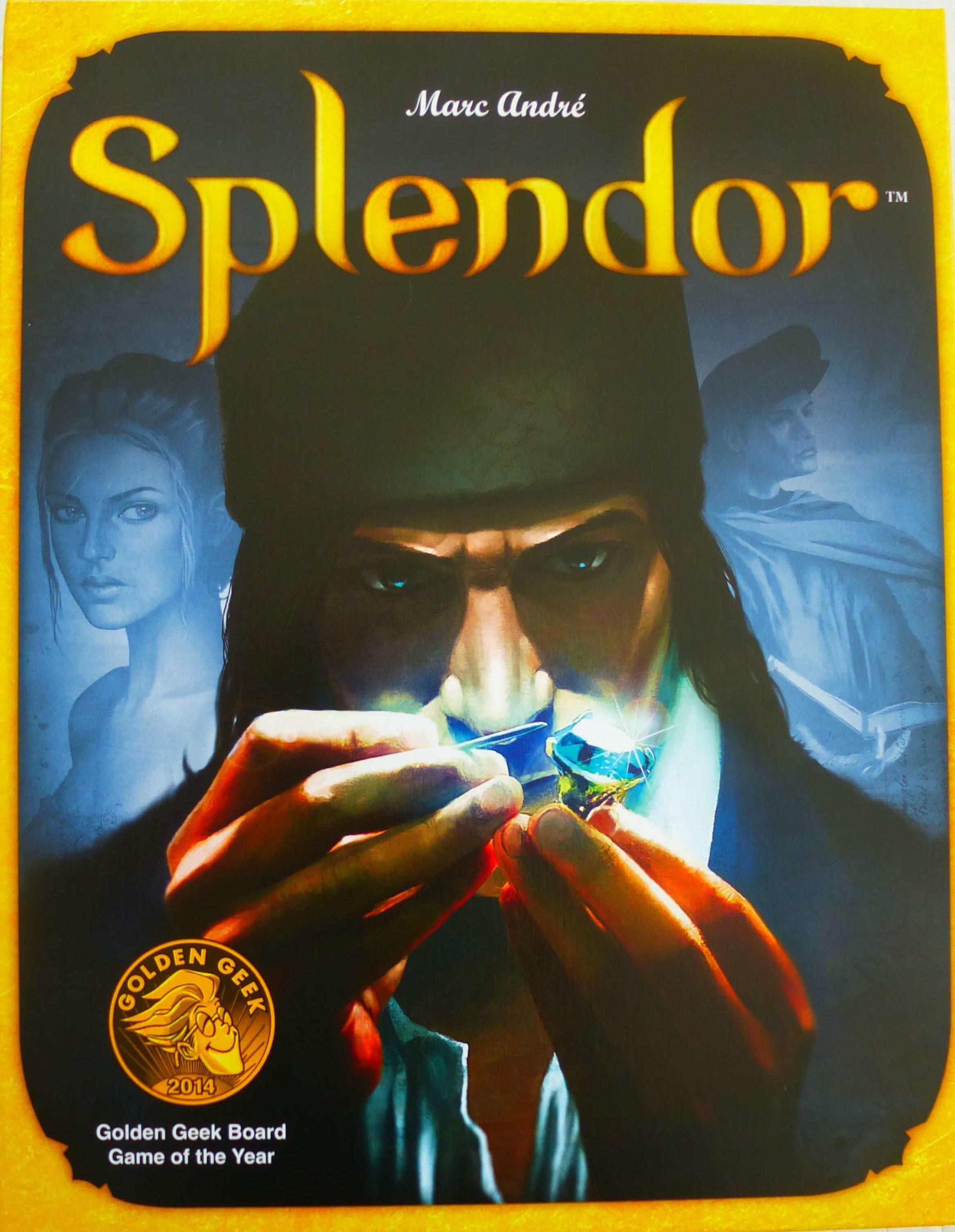
You build your hand/deck throughout the game using cards you acquire. See Dominion and Splendor.
Co-operative
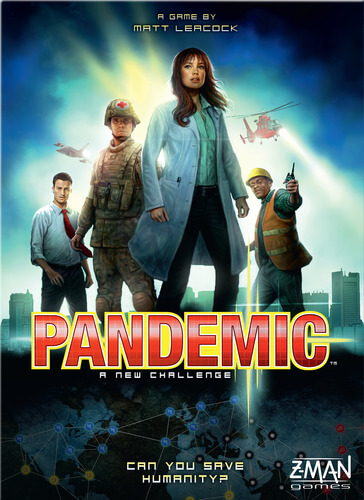
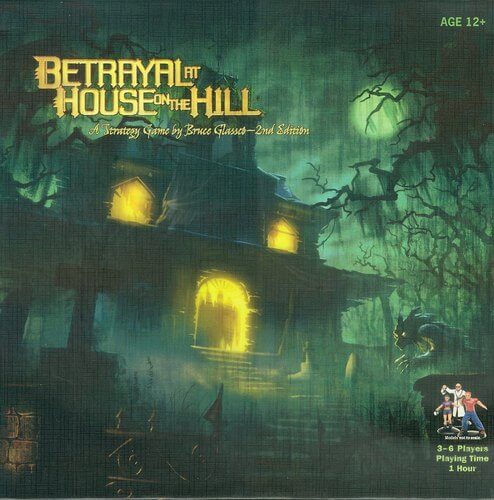
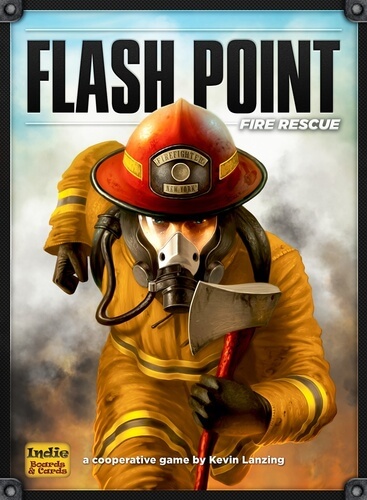
Everyone works together against the game itself. See Pandemic, Betrayal at House on the Hill, and Flash Point: Fire Rescue.
Party Games
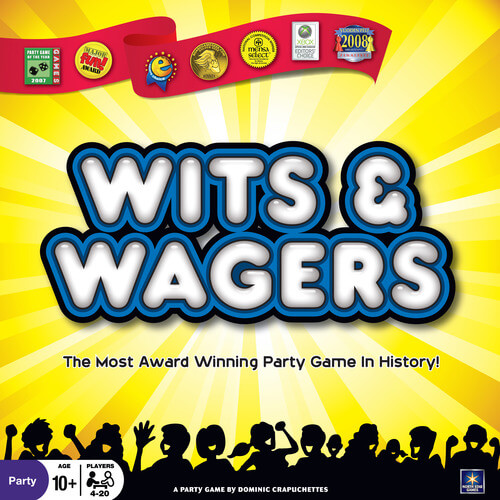
Large groups, team vs. team, lots of laughs. Light on strategy, heavy on fun. See Wits & Wagers and Time’s Up!
Two-Player Games
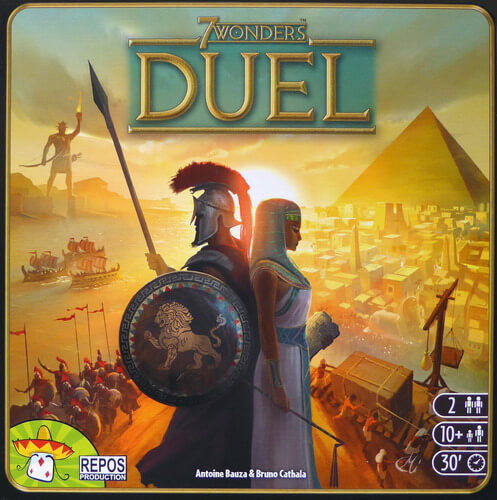
Designed specifically for two, or adapted to work as a duel. Great for couples. See 7 Wonders Duel.
Solo Games
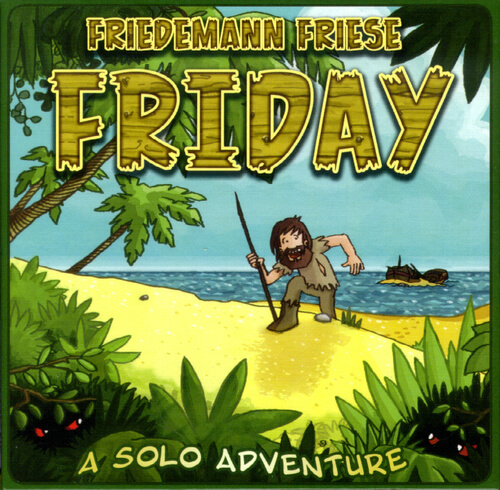
One-player games, or co-op games that scale down to solo. See Friday (solo only) and Agricola.
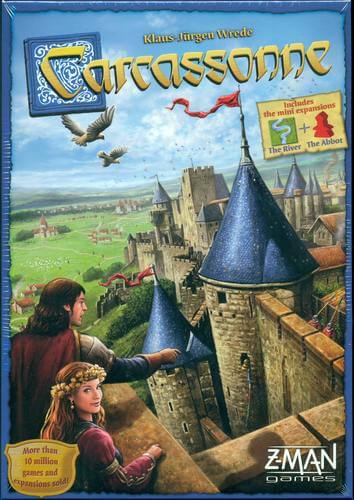
Tile Flipping / Placement
The board builds as you play — flip tiles, place them where they fit, react to what you get. See Carcassonne.
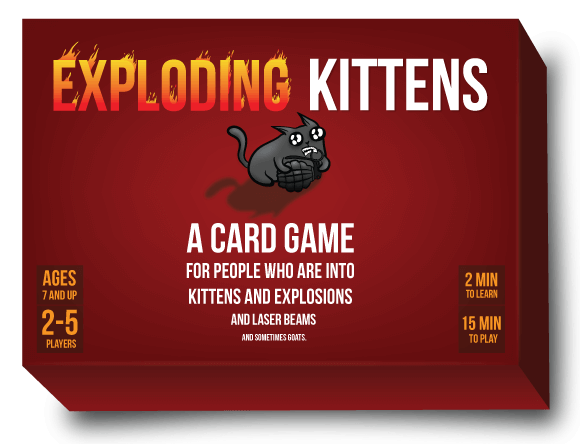
Cards & Dice
Games driven by card draws and dice rolls. See Bang! The Dice Game and Exploding Kittens.

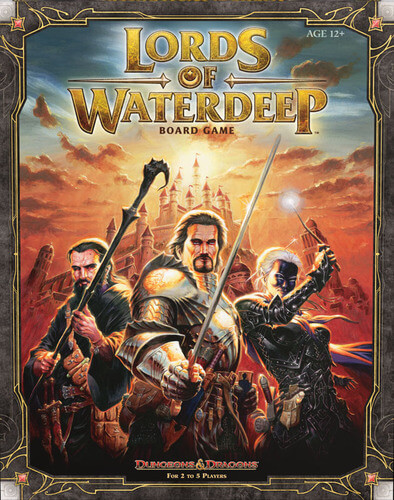
Worker / People Placement
Place your limited game pieces on action spaces to collect resources or achieve goals. See Agricola and Lords of Waterdeep.
Card Drafting
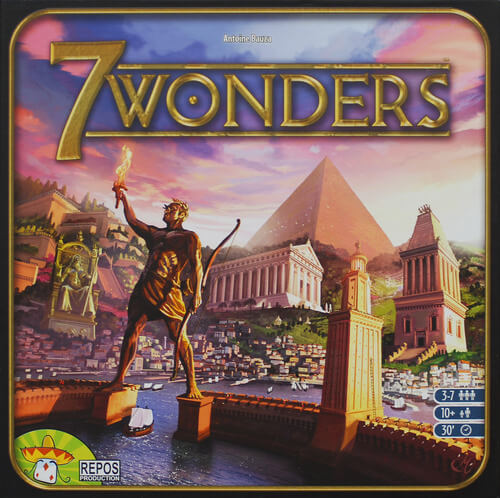
Choose which cards to take from a shared pool or a passing hand. See 7 Wonders.
Social Deduction
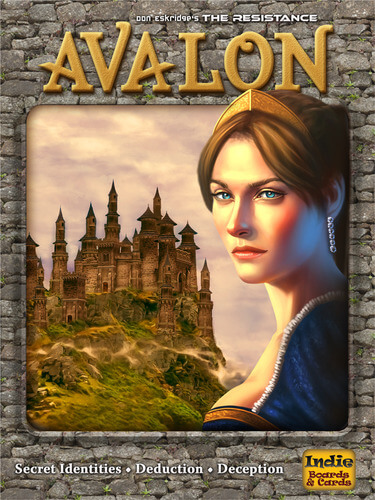
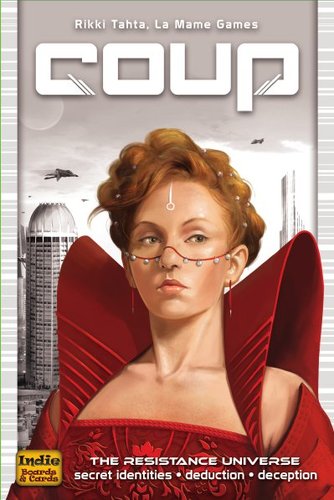
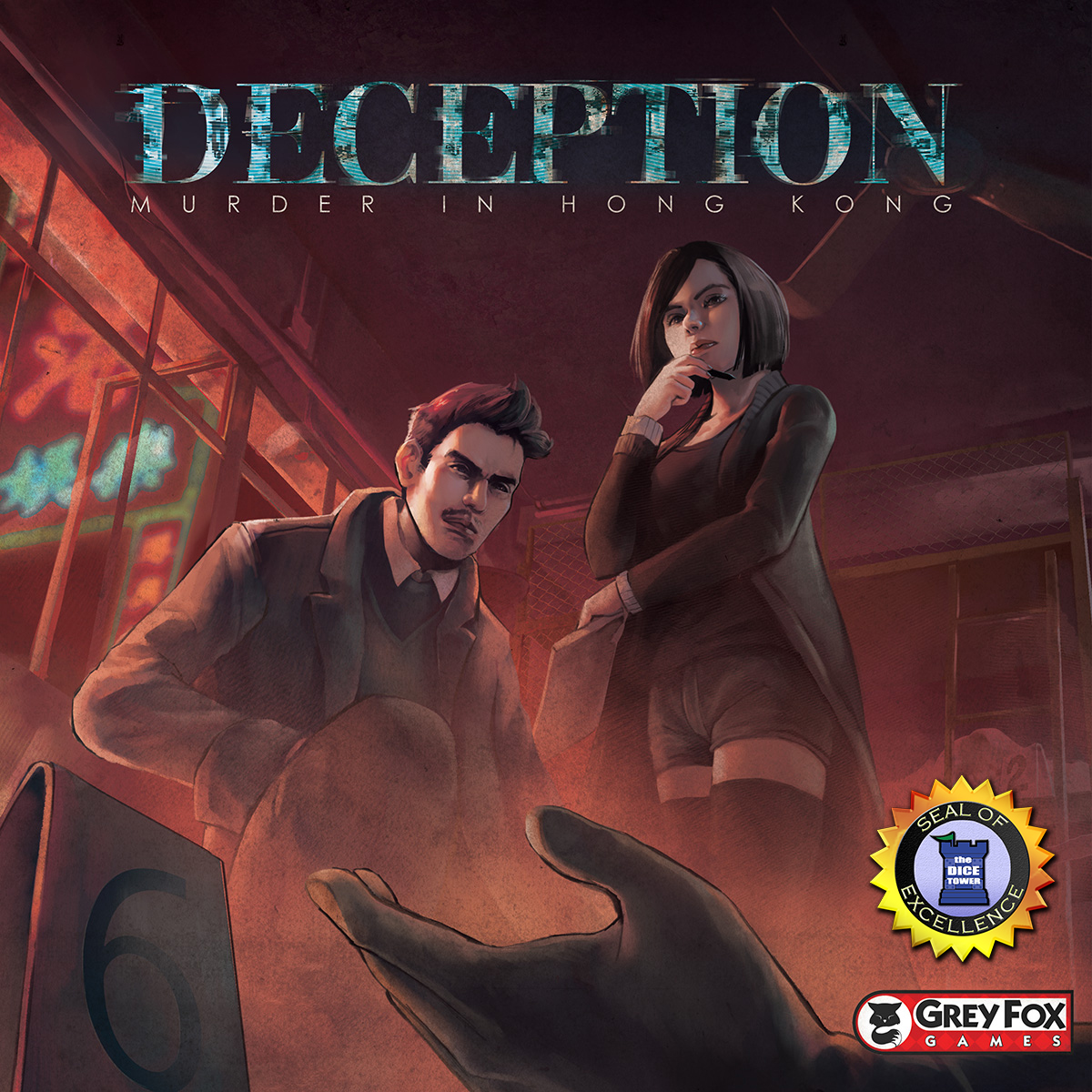
Secret roles, hidden information, logic, bluffing. See Avalon, Coup, and Deception: Murder in Hong Kong.
Area Control
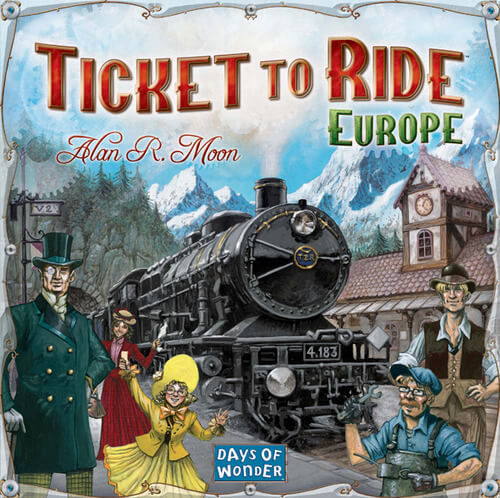
Fight to dominate regions of the board. See Catan and Ticket to Ride.
Glossary: Terms You’ll Hear
What is a Meeple?
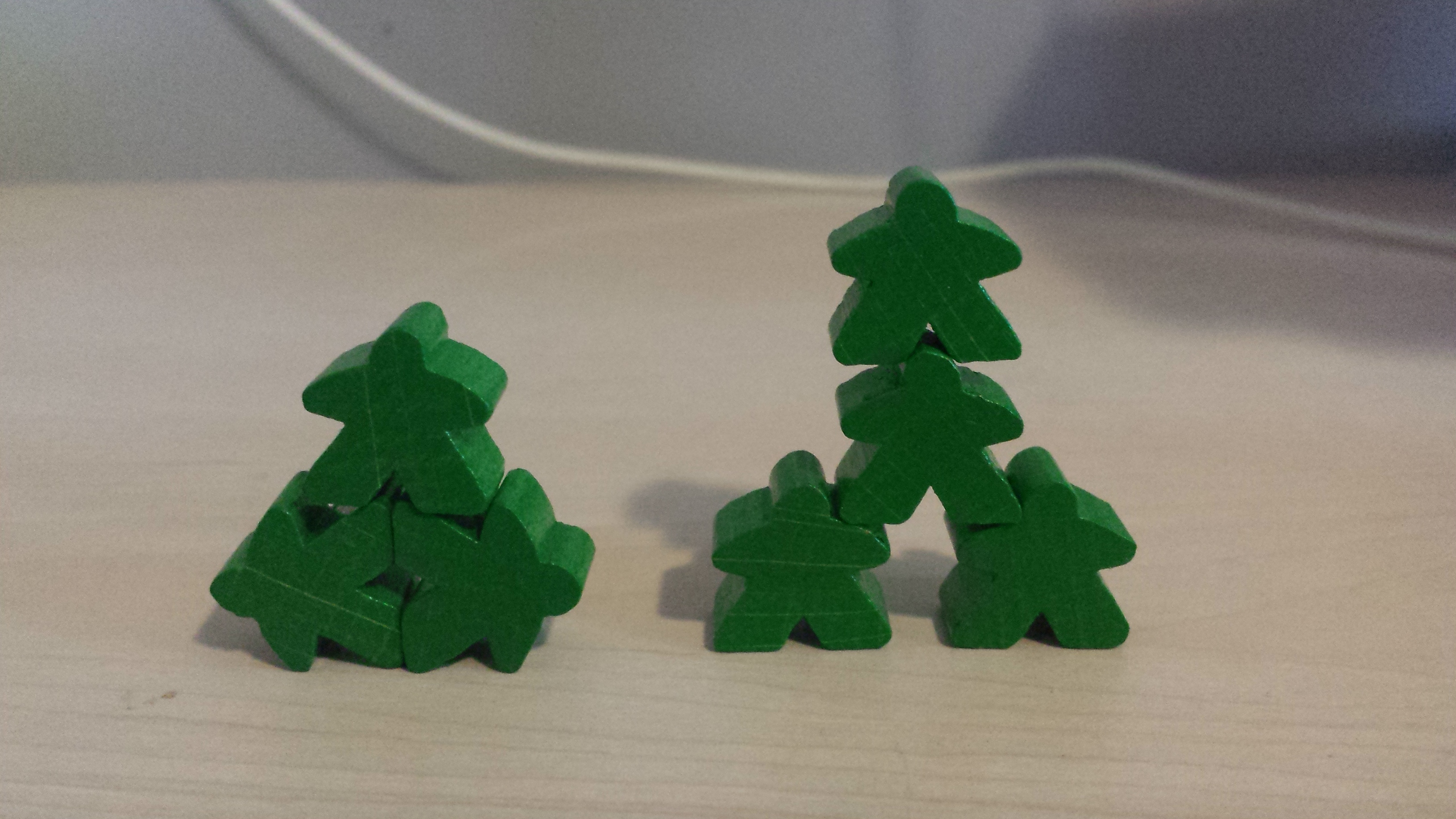
A small wooden token shaped like a person — the standard game piece in many modern board games. The name is a portmanteau of "my" and "people." You can balance them on their heads with enough practice.
What are Victory Points?
The standard scoring unit in most modern board games — just "points." You collect, buy, steal, or earn them throughout the game. Most games are won by whoever has the most at the end.
What does "heavy vs. light" mean?
Refers to the complexity and time investment of the game. Heavy games require more brain power, time, and effort — think deep strategy games. Light games are quick, easy to learn, and low-intensity — micro-games and party games.
What is an "engine"?
A mechanic where you build a system that generates a resource automatically. In Agricola, a "food engine" means your farm produces enough food every harvest to feed your family without scrambling. Building your engine is usually the core strategic puzzle.
What is a Crib Sheet / Cheat Sheet?
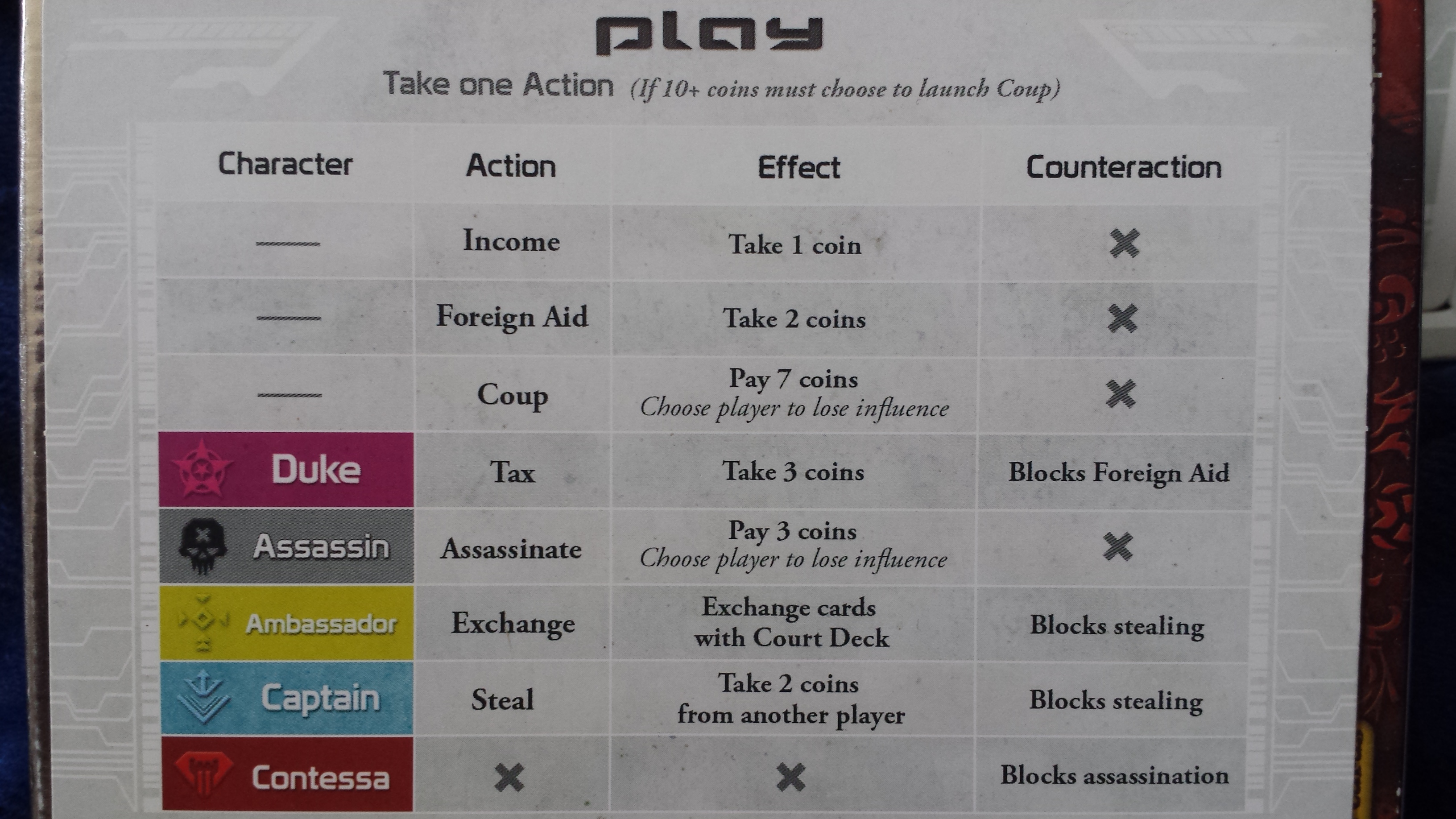
A reference card — usually included in the box — that every player can see during the game. Lists available actions, costs, scoring rules, etc. Removes the need to flip through the rulebook mid-game.
What is Pandemic Shuffling?
A specific shuffling technique that distributes cards evenly rather than randomly. Used in some games to prevent bad clustering. If a game needs it, the rulebook explains exactly how.
What Do Board Games Cost?
Modern board games range from under $10 to over $100, with most quality games landing between $30–$60.

Pandemic Legacy — upwards of $90
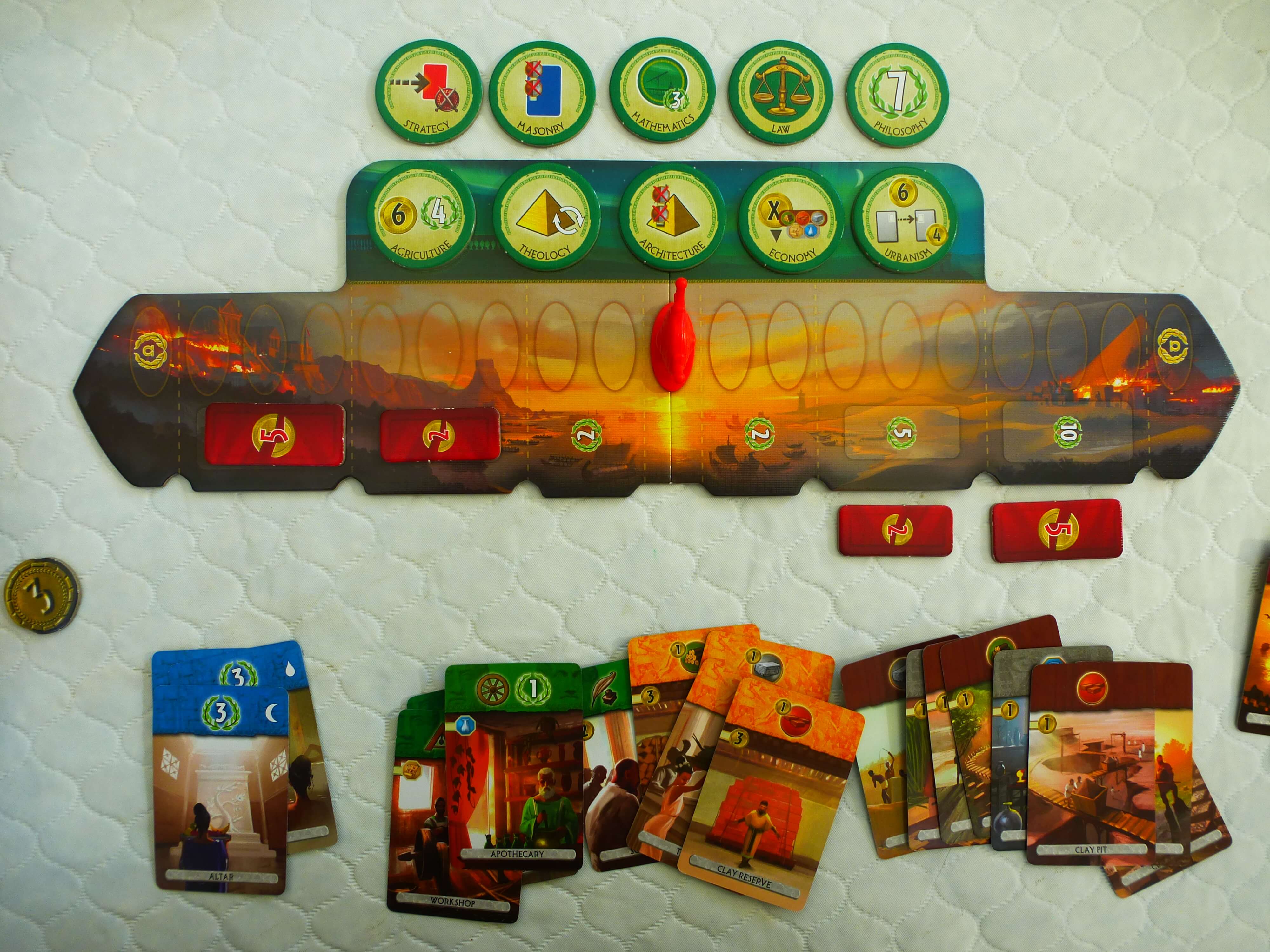
7 Wonders Duel tokens and cards
Don’t let price put you off. Think of it as cost per hours entertained, not cost per session. Unlike a movie that pays for 2 hours, a good board game entertains for years. Games with high replayability — Codenames, Pandemic — are especially good value.
The Right Mindset
You probably won’t win the first time you play a new game. The learning curve is real, and experienced players have an edge early on. Go in to have fun and learn — winning comes with time.
You’ll reference the rulebook. That’s fine. Even experienced groups do it.
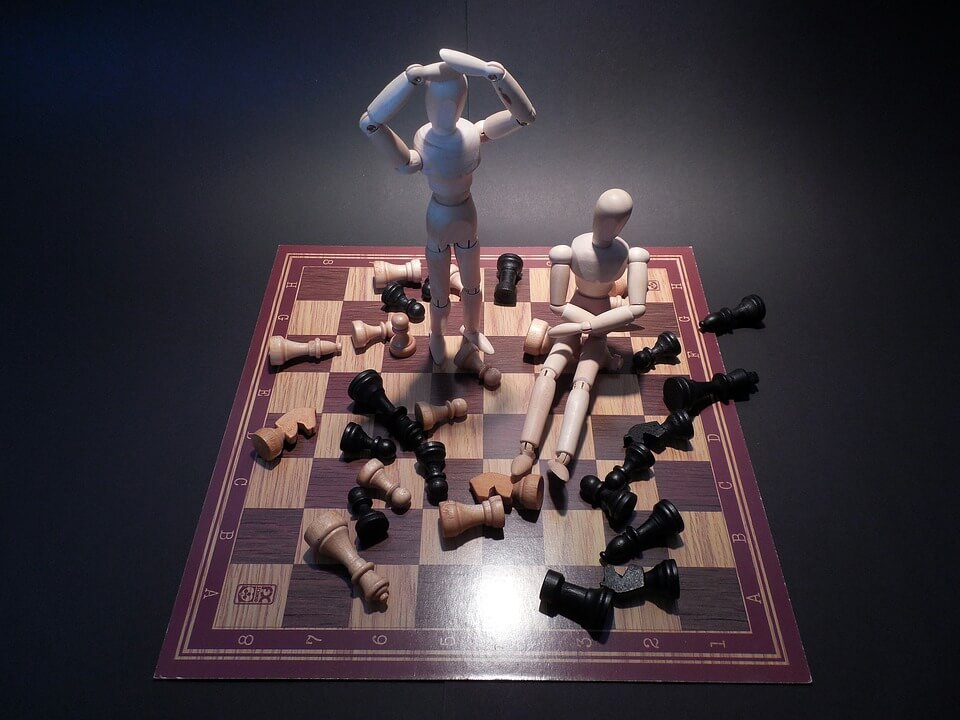
Give every game a few plays before deciding you don’t like it. Many games that feel confusing or slow the first time become favourites by the third.
Most importantly: remember to have fun.
Wrap Up
The board game world is enormous and can feel intimidating — but it’s also one of the most welcoming communities around. Start simple, play with people who know the games, and don’t be afraid to ask for help.
Now go get your Meeples and have some fun.