Finding a board game that works for two people is harder than it sounds. A lot of great games need 3 or 4 players to really sing. Others are technically playable at 2 but feel hollowed out — like the designer remembered couples existed at the last minute and threw in some placeholder rules.
We’ve played through a lot of them. Some nights you want something competitive where you’re actively trying to beat each other. Other nights you want to cooperate against the game. Sometimes you have 20 minutes; sometimes you want something you can really sink into. This list covers all of those moods.
One thing we were deliberate about: not every game here is on our site, and that’s on purpose. The goal was to find the best games for couples full stop — not just the ones we happen to have reviewed. A few of these are games we’d consider future review candidates, and we’ll flag those where relevant.
How we picked them: every game here is either designed exclusively for two players or ranked highly at 2 on Board Game Geek by people who actually play it that way. “Playable at 2” and “great at 2” are not the same thing, and we tried to only include the latter.
Click here to jump to the comparison table…
See also: Best Two Player Board Games · Best Gateway Board Games for Beginners
Best Board Games for Couples Comparison Table
(Click the thumbnail to jump down to the entry)
| Image | Game | Players | Time | Price | Our Rating |
|---|---|---|---|---|---|
 | Patchwork | 2 | 15–30 min | $ | — |
 | 7 Wonders Duel | 2 | 30 min | $$ | — |
 | Jaipur | 2 | 30 min | $ | — |
 | Lost Cities | 2 | 30 min | $ | — |
 | Hanamikoji | 2 | 15–20 min | $ | — |
 | The Fox in the Forest | 2 | 30 min | $ | — |
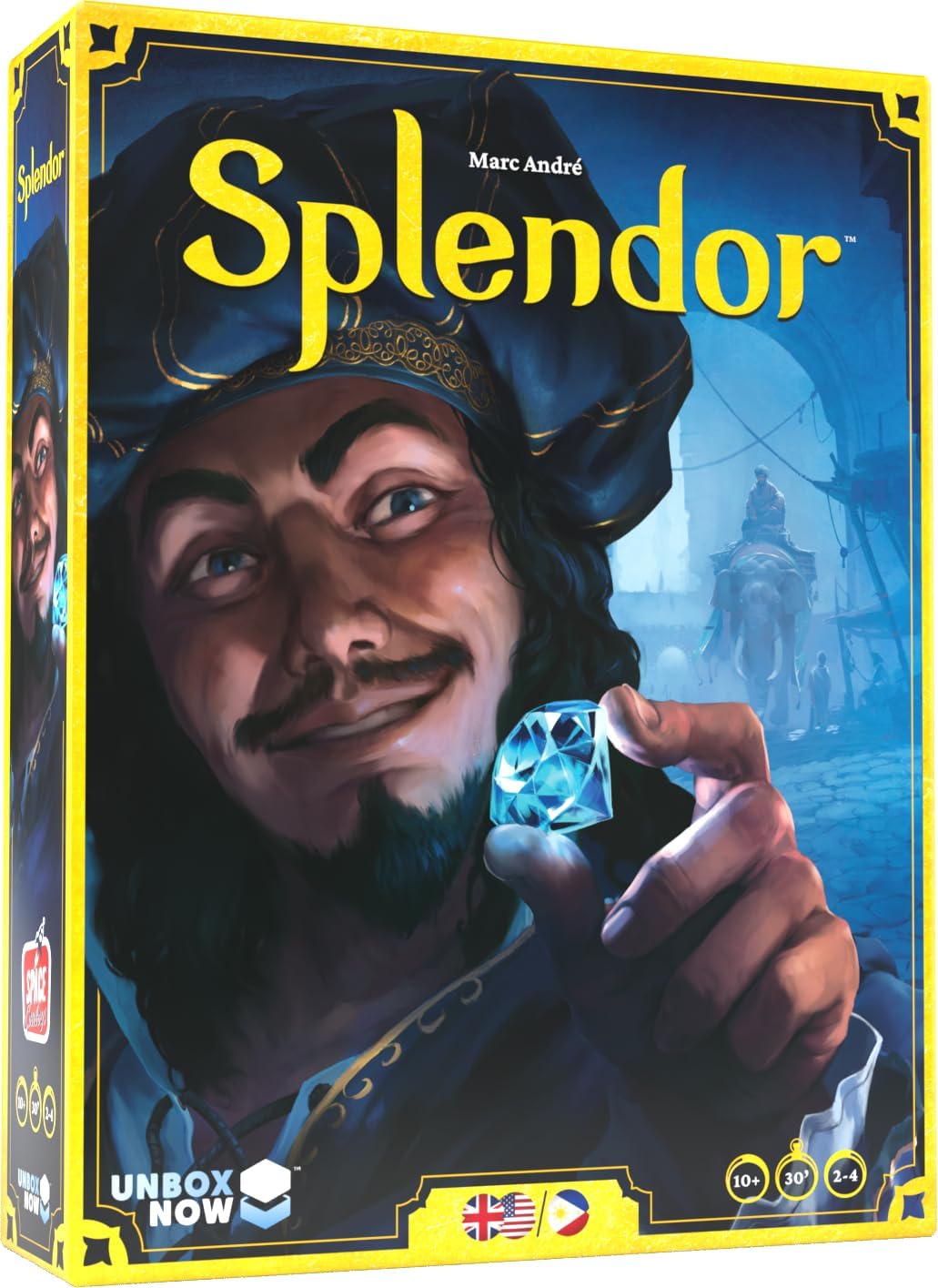 | Splendor | 2–4 | 30 min | $$ | — |
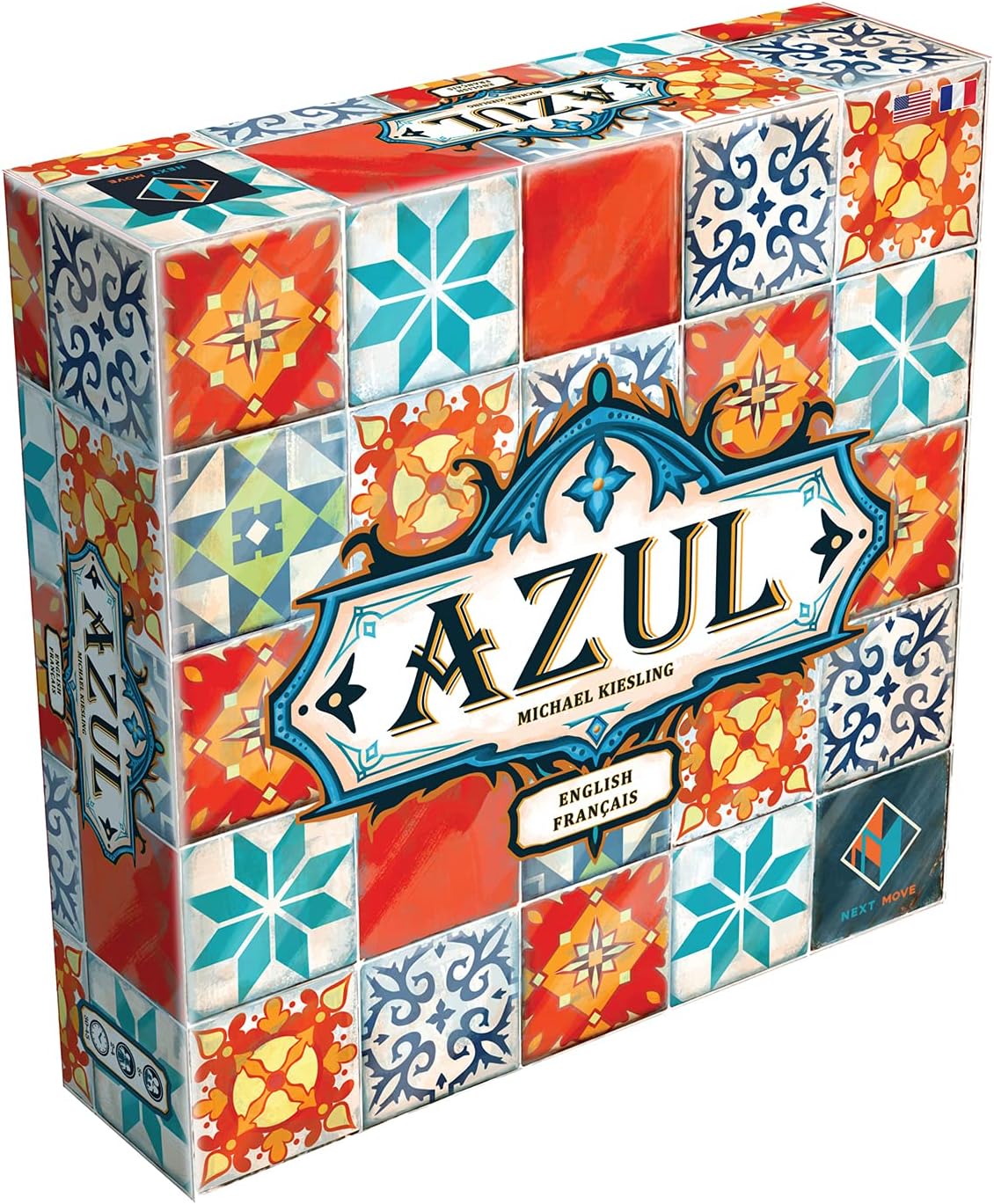 | Azul | 2–4 | 30–45 min | $$ | 4.7 / 5 |
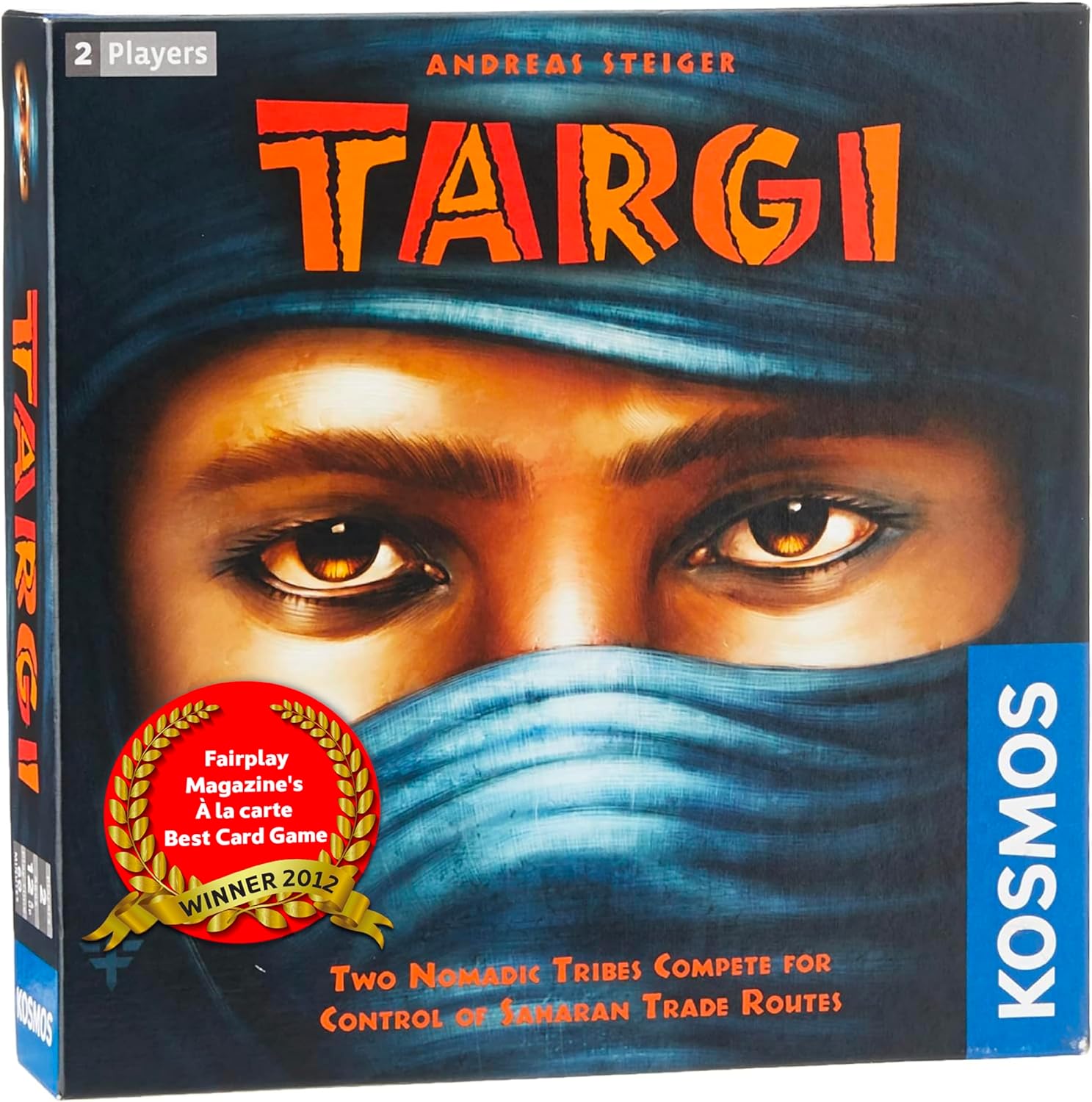 | Targi | 2 | 60 min | $$ | — |
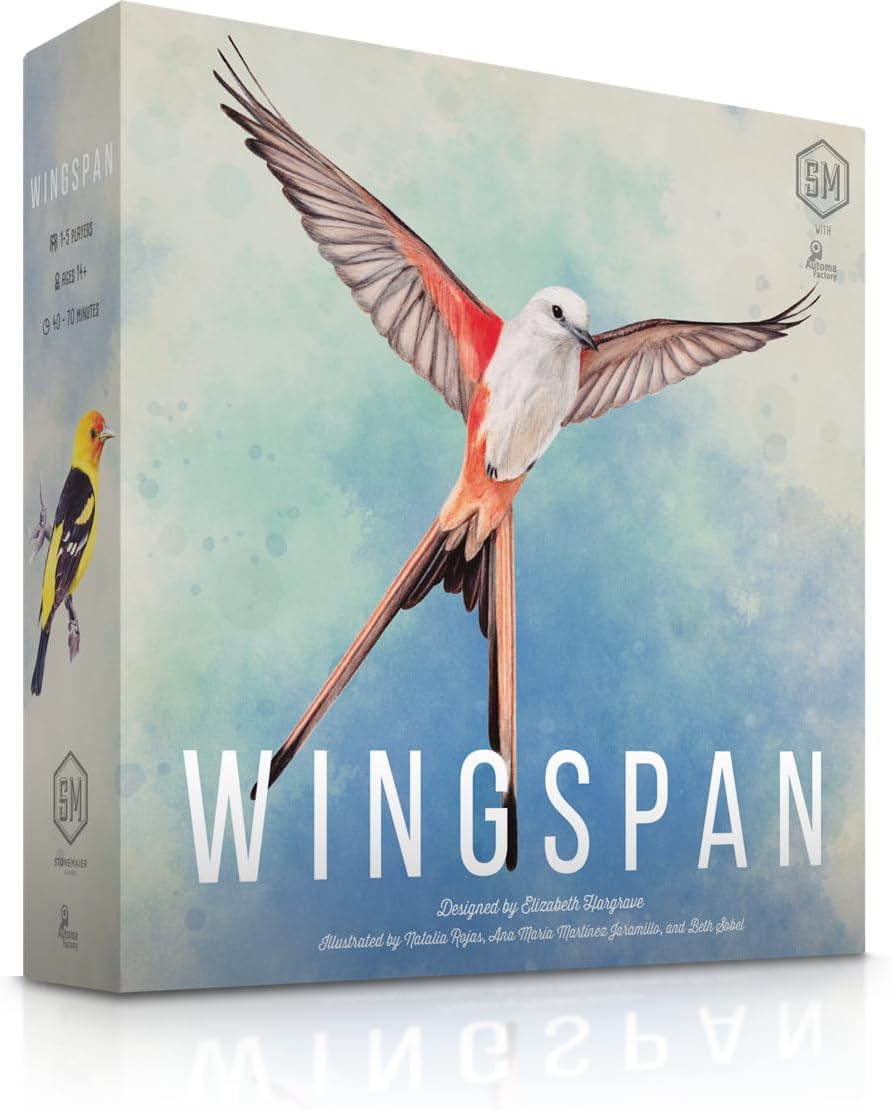 | Wingspan | 1–5 | 40–70 min | $$$ | — |
1. Patchwork
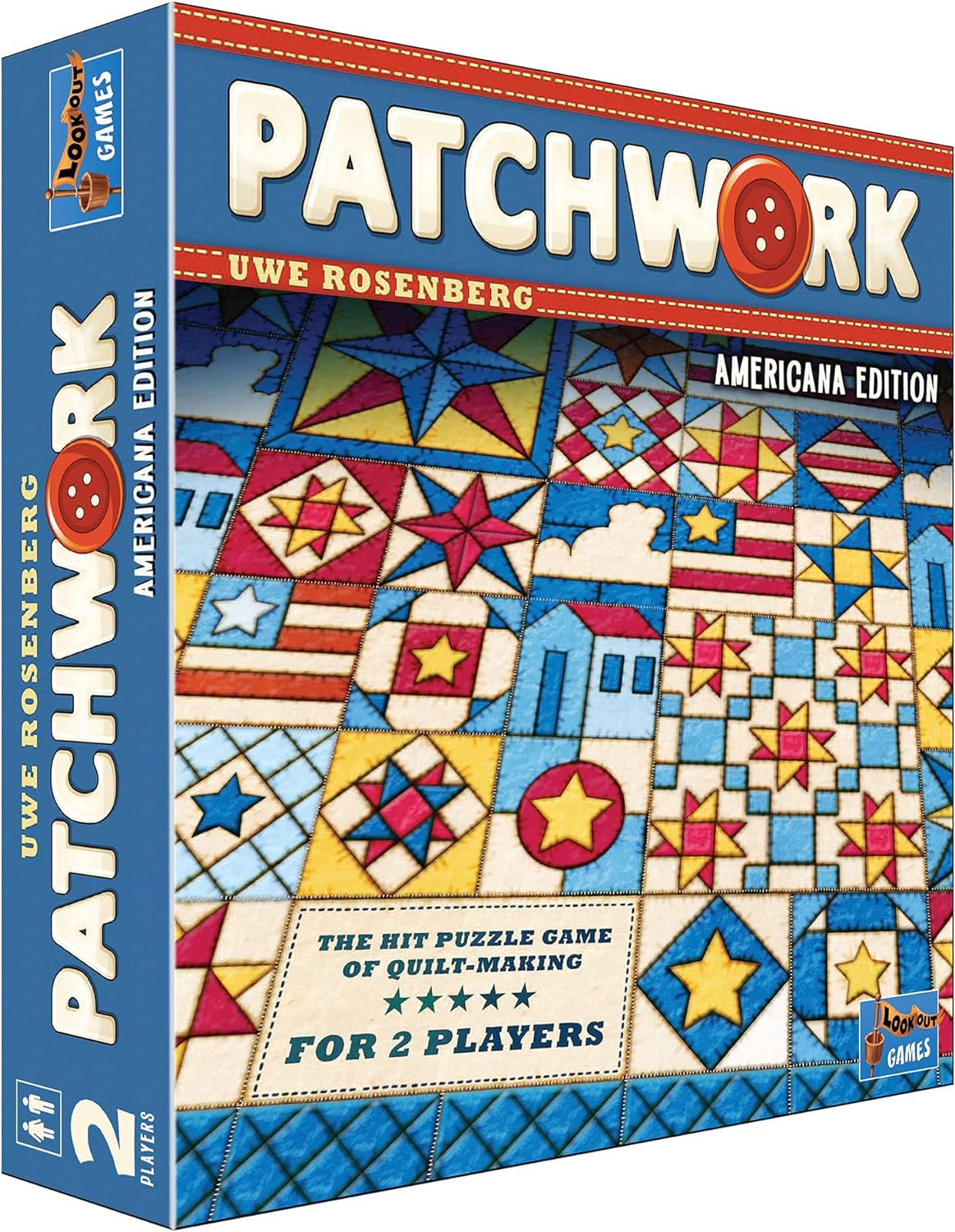
Patchwork is a two-player game about building a quilt. That premise shouldn’t work. And then you sit down with your partner, play one round, and immediately understand why it shows up on every couples game list without fail.
The mechanic is a time-track race. You each have a 9×9 grid and take turns picking Tetris-shaped fabric patches from a ring of available options. Patches cost buttons (the currency) and time. Whoever is furthest behind on the time track goes next — so if you grab a quick cheap patch, you might find yourself taking four turns in a row while your partner slow-plays a big tile. The incentive structure is genuinely clever.
Teaching takes five minutes. Games run 20 to 30 minutes. The physical pieces are chunky and satisfying — real cardboard tiles with a clean, tactile quality that makes the quilting theme feel earned rather than slapped on.
The competitive tension is mild but present. You’re not attacking each other, but grabbing a patch your partner needed feels surprisingly mean for a quilting game. That’s the right zone for a lot of couples.
This is the one we’d start with if you’ve never played a dedicated two-player game before. Small box, low price, and you’ll want to play it twice in a row almost every time.
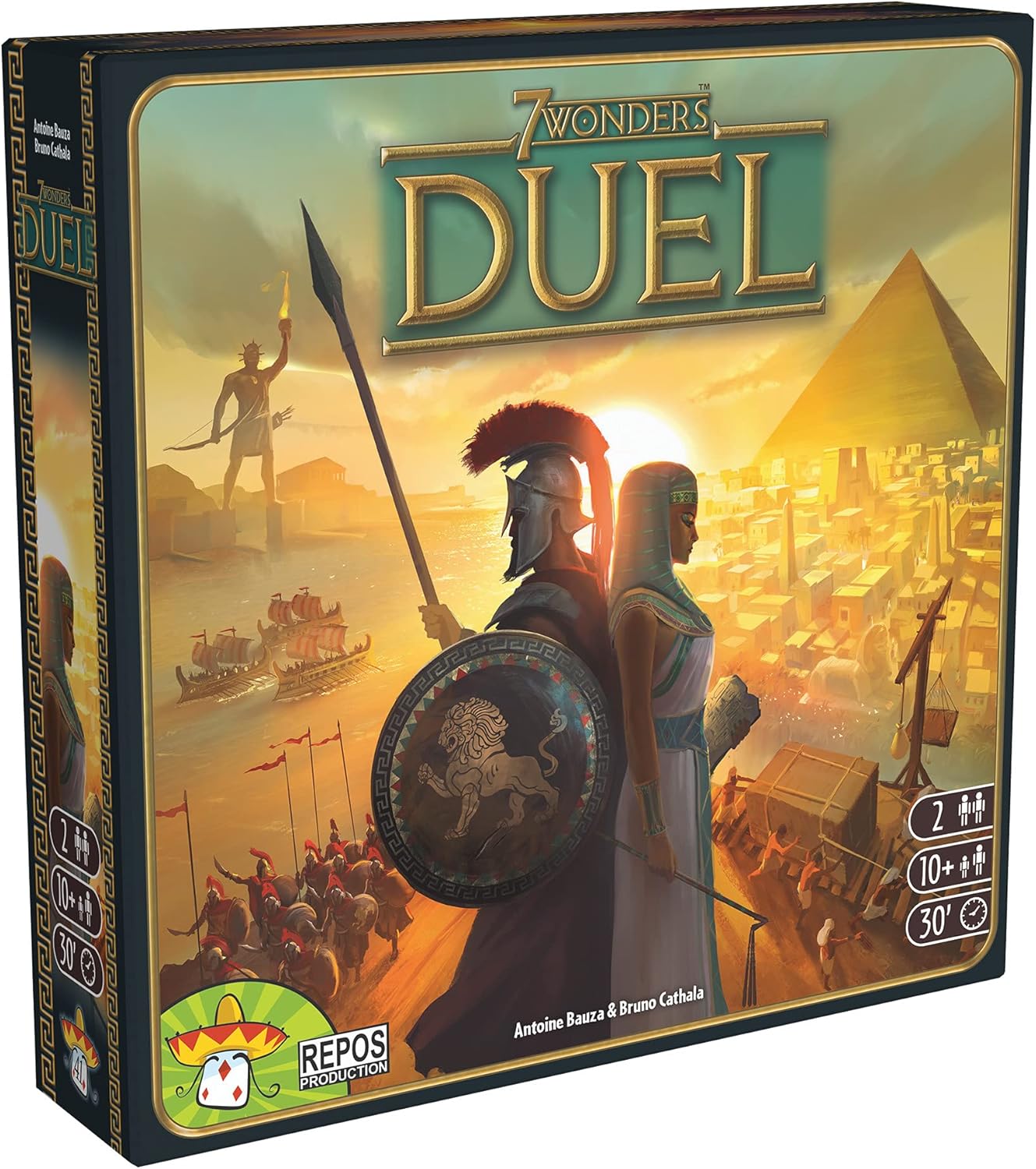
2. 7 Wonders Duel
7 Wonders Duel is the two-player version of 7 Wonders, and it’s better than the original for this format. That’s not a knock on 7 Wonders — it’s just that Duel was designed from the ground up for two people, and every decision in it reflects that.
You’re building an ancient civilization across three ages, drafting cards from a face-up pyramid layout. Cards give you resources, science symbols, military strength, and gold. What makes it tense is that taking a card isn’t just about what it gives you — it’s about what it denies your opponent. The denial layer is always present.
Three win conditions: six different science symbols, military domination (push the track all the way to your opponent’s capital), or most points at game end. The first two are instant wins, which keeps both players watching the board the whole time. Nobody coasts.
It plays in 30 minutes once you know it. The first teach is longer — figure 20 minutes — but it sticks. This is the pick if you want something with real strategic depth that still fits into an evening. One of the best two-player games ever made, full stop.
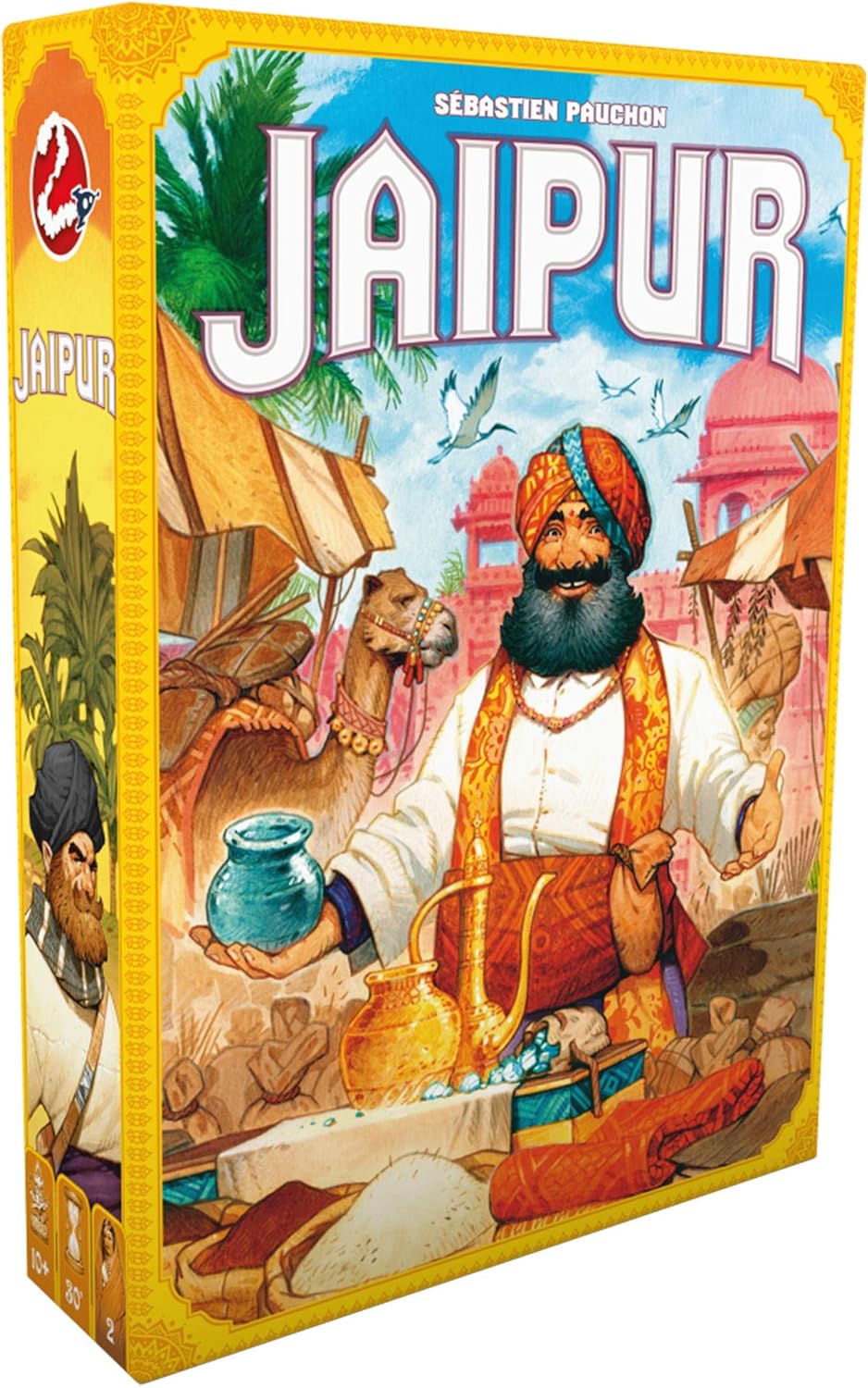
3. Jaipur
Jaipur is a two-player card game about trading goods in an Indian market. You’re a merchant competing to earn more rupees than your rival by collecting and selling sets of camels, spices, cloth, leather, silver, gold, and diamonds.
On your turn you either take cards from the market or sell cards from your hand. Selling multiple of the same good at once earns bonus tokens on top of the base value — so there’s constant tension between selling now for less or holding out for a bigger combo. The market shifts after every pick, which means your whole plan can change every turn.
It’s fast — 20 to 30 minutes — and it plays best of three. That’s how it was designed, and it’s the right call. First round you’re figuring it out. Second round one of you gets smug. Third round the other person wins. You end up playing more rounds than you planned.
Great pick if one of you is newer to hobby games. Rules are simple, decisions are meaningful, and you’re never more than a turn away from swinging the lead. Small box and a low price — easy gift, easy carry.
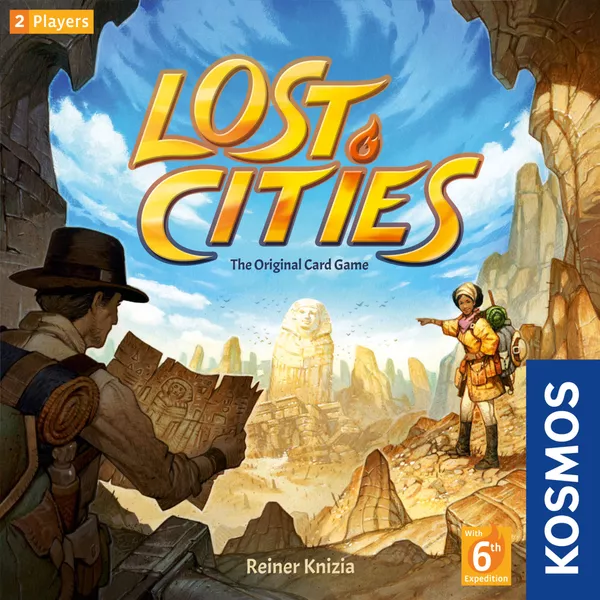
4. Lost Cities
Lost Cities has been on shelves since 1999 and it keeps showing up on two-player recommendation lists because it earned its place there. Designed by Reiner Knizia, it’s one of the cleanest examples of a game that’s simple to explain and quietly agonizing to play.
You’re each trying to fund expeditions across five colored suit tracks. You play cards in ascending order on your own expeditions, but — the catch — starting an expedition at all costs you 20 points. So every card you play is a commitment. Holding a high-value card hoping for the right setup while your partner plays theirs is a specific kind of torture.
Plays in under 30 minutes, designed strictly for two, and the tension never lets up. The decisions are small in scope but sharp: do I start this expedition now, or does the math not work out? Do I give them that discard they’ve been fishing for?
Lost Cities doesn’t have the visual appeal of Azul or the physical presence of Wingspan, but as a pure two-player experience it’s as refined as it gets. If you like card games, it’s worth having in the collection.
5. Hanamikoji
Hanamikoji is the most underrated game on this list. It plays in 15 to 20 minutes, the rules take five minutes to explain, and it generates more genuine tension per minute than almost anything else in this category.
You’re competing to win the favor of seven geishas by playing influence cards. Each round you each have four actions — and here’s the thing — two of those actions give your opponent some control over what you get. You might have to let your partner pick which half of a split to keep. Or you give them a gift and have to choose what to offer. The whole game is about forcing your opponent into bad choices while minimizing the damage when they do the same to you.
It’s quiet and cerebral in a way that suits two people well. No dice, no randomness beyond the card draw. You finish a round, see who won the geishas, reset, and usually play again. It plays best of three as well.
The art is beautiful — illustrated in a Japanese woodblock style — and the box is tiny. It’s the kind of game that looks like a gift and plays like a chess match.
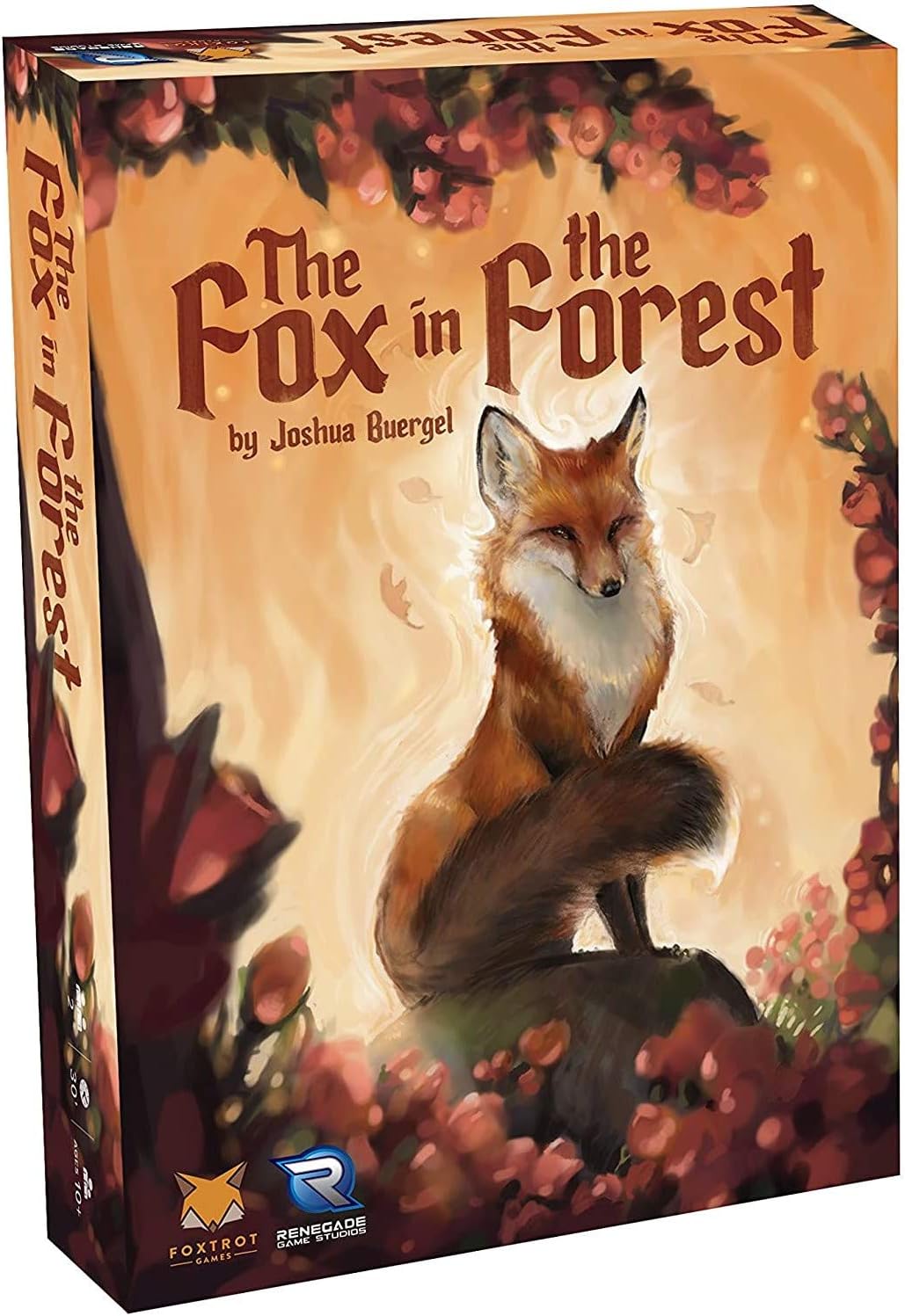
6. The Fox in the Forest
The Fox in the Forest is a trick-taking game for exactly two players. If you grew up playing Hearts or Spades and want something in that family but built specifically for two, this is it.
You’re each playing cards from your hand to win tricks — standard trick-taking structure — but the odd-numbered cards all have special abilities that break or bend the rules in your favor. The Witch lets you swap a card with the top of the deck. The Fox lets you lead any suit next trick. The Swan scores you extra points. Learning how each card interacts is what keeps the game interesting across multiple plays.
The scoring curve is the clever part: winning too many tricks actually hurts you. You want to land in the middle range, which means deliberately throwing tricks sometimes — which means reading your partner and trying to figure out what they’re aiming for. It rewards the kind of subtle attention that suits two people who know each other well.
Plays in 30 minutes, rules explained in five. Beautiful illustrated art. Small box. There’s also a cooperative version (Fox in the Forest Duet) if you prefer working together — same art style, completely different game feel.
7. Splendor (Full Review Here)
Splendor is one of the cleanest engine-building games around. You’re a Renaissance gem merchant collecting colored tokens, spending them to buy development cards, and using those cards to buy more valuable cards — until someone reaches 15 prestige points and the game ends.
The decisions feel light at first. Take two gems, or three gems of one color, or buy a card, or reserve a card. Simple action options. But the engine you’re building matters, and so does what you deny your opponent. Watching someone approach 15 points while you’re still two cards short creates a specific, quiet urgency.
At two players it runs right around 30 minutes and feels lean. Neither player can be passive — the points are on the table and one of you is going to get there first. If you like games where you can see the whole board state and make real decisions about it, Splendor is your game.
It plays 2–4, so it’s also a good option when friends come over.
8. Azul (Full Review Here)
Azul is a tile-drafting game about decorating the walls of a Portuguese palace. The tiles are thick resin pieces that feel genuinely good to pick up. People who don’t play board games will reach over and handle them just because they’re satisfying to touch.
Each round you draft tiles from a central arrangement of factory displays. You take all tiles of one color from one factory, and the leftover tiles shift to the center. What you leave behind matters as much as what you take. Scoring rewards you for completing rows, columns, and color sets — and penalizes tiles you take but can’t place. Grabbing the pile of blue tiles you know your partner needs isn’t luck, it’s a choice.
At two players it runs under 45 minutes. The decision space is compact enough that you can see the whole board, which makes the strategic denials feel intentional. We rate it 4.7 out of 5 — it’s earned a permanent spot in the collection. One of the best games on this list for couples who want something visually appealing and accessible without sacrificing the strategy.
9. Targi
Targi is a two-player worker placement game set among the Tuareg people of the Sahara. It’s strictly for two, built around a mechanic where you place your three workers on the outer border of a 5×5 card grid — and wherever two of your workers share a row and column, that intersection is where you actually take an action. Your opponent’s workers block some of those intersections, so placement is always a contested puzzle.
The goal is to collect goods and trade them for tribe cards that score points and give ongoing abilities. The resource management is tight, the board is never big, and every turn feels like a decision you have to think through. It’s not a casual game — it takes a full play to click — but couples who like worker placement and want something designed specifically for them will find this one rewarding.
It runs around 60 minutes and rewards repeated plays as you start to understand the card interactions. Fewer people know about Targi than should. It’s a Kennerspiel des Jahres finalist and one of the most consistently recommended two-player games in serious board game circles.
10. Wingspan (Full Review Here)
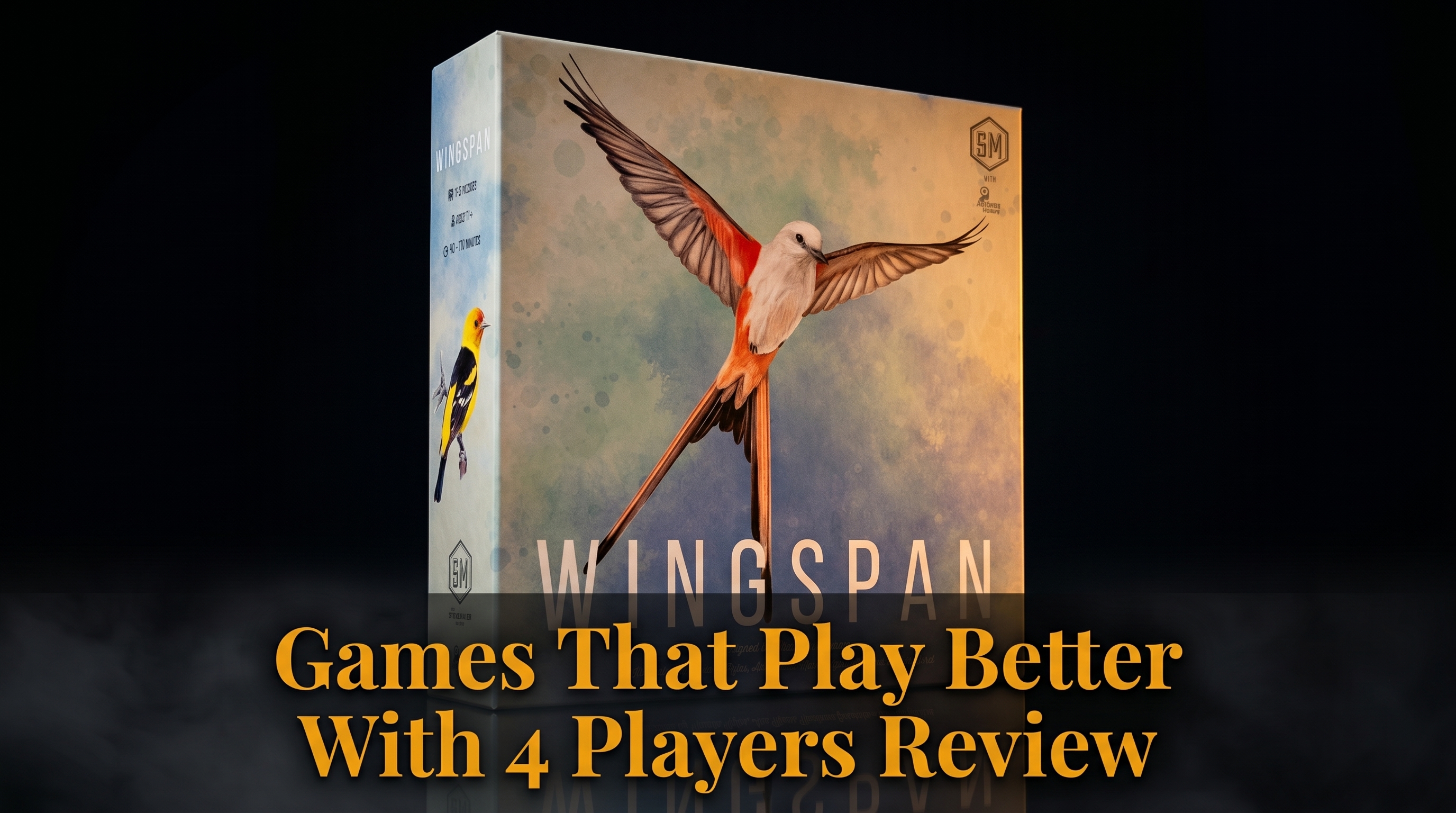
Wingspan is an engine builder where you’re attracting birds to habitats on a nature reserve. It’s visually one of the most appealing games in the hobby — illustrated bird cards with real species facts on each one, a wooden dice tower shaped like a miniature bird feeder, and components that feel considered rather than cheap.
At two players it runs around 40–50 minutes, tighter than with a full group. The game is low-conflict — you’re each building your own engine of bird powers rather than directly blocking each other — which makes it a natural fit if you want something engaging without anything combative. The bird feeder mechanism, where you shake dice to determine available food, adds a small physical ritual to each round that both players tend to enjoy.
The satisfaction comes from building chains: activate one habitat and trigger multiple birds in sequence. When your engine clicks, it’s the kind of smooth, satisfying experience you want to repeat. It doesn’t produce dramatic moments, but a well-built game of Wingspan is consistently good.
Honorable Mentions
These didn’t make the main ten but they’re worth knowing about.
Pandemic — cooperative, and a legitimate great two-player game. We kept it off the main list because it’s more fun with 3 or 4, and at two you’re running two roles each, which can feel like a lot. But if you love co-ops, it belongs on your shelf. Full review here.
Carcassonne — tile-laying and approachable. The issue at two is it gets very relaxed — less contested, more parallel building. Some couples love that. Others find it too passive. Full review here.
Hive — pure abstract strategy, no luck, two-player only. Chess-adjacent in feel. If you both love that, Hive is excellent. If one of you finds abstract games dry, it won’t land. Full review here.
Codenames Duet — the cooperative two-player version of Codenames. It’s cooperative word association where you each have information the other doesn’t. Best when you know each other well enough to predict how the other person thinks. Fun, low-stakes, great for an easy evening.
The Fox in the Forest Duet — the cooperative counterpart to Fox in the Forest. If trick-taking is new to your partner, Duet eases you in together rather than against each other.
Conclusion
If you want one recommendation: Patchwork if you want something quick and designed for two with zero barrier to entry, or 7 Wonders Duel if you want depth that still fits in one evening. Both are excellent and both are genuinely two-player-first designs.
For couples where one person is brand new to hobby gaming, Jaipur or Lost Cities are the safest entry points — rules in five minutes, done in 30, and you’ll want to play again. Hanamikoji is the hidden gem on this list if you’re both comfortable with a little more complexity.
If you’re buying as a gift, any of the small-box picks — Jaipur, Lost Cities, Hanamikoji, Fox in the Forest — are great options under $25 that don’t require any context about the hobby to enjoy.
Looking for more? Check out our Best Board Games for 4 Players or our Best Gateway Board Games for Beginners.
Thumbnail image artificially generated for illustrative purposes.