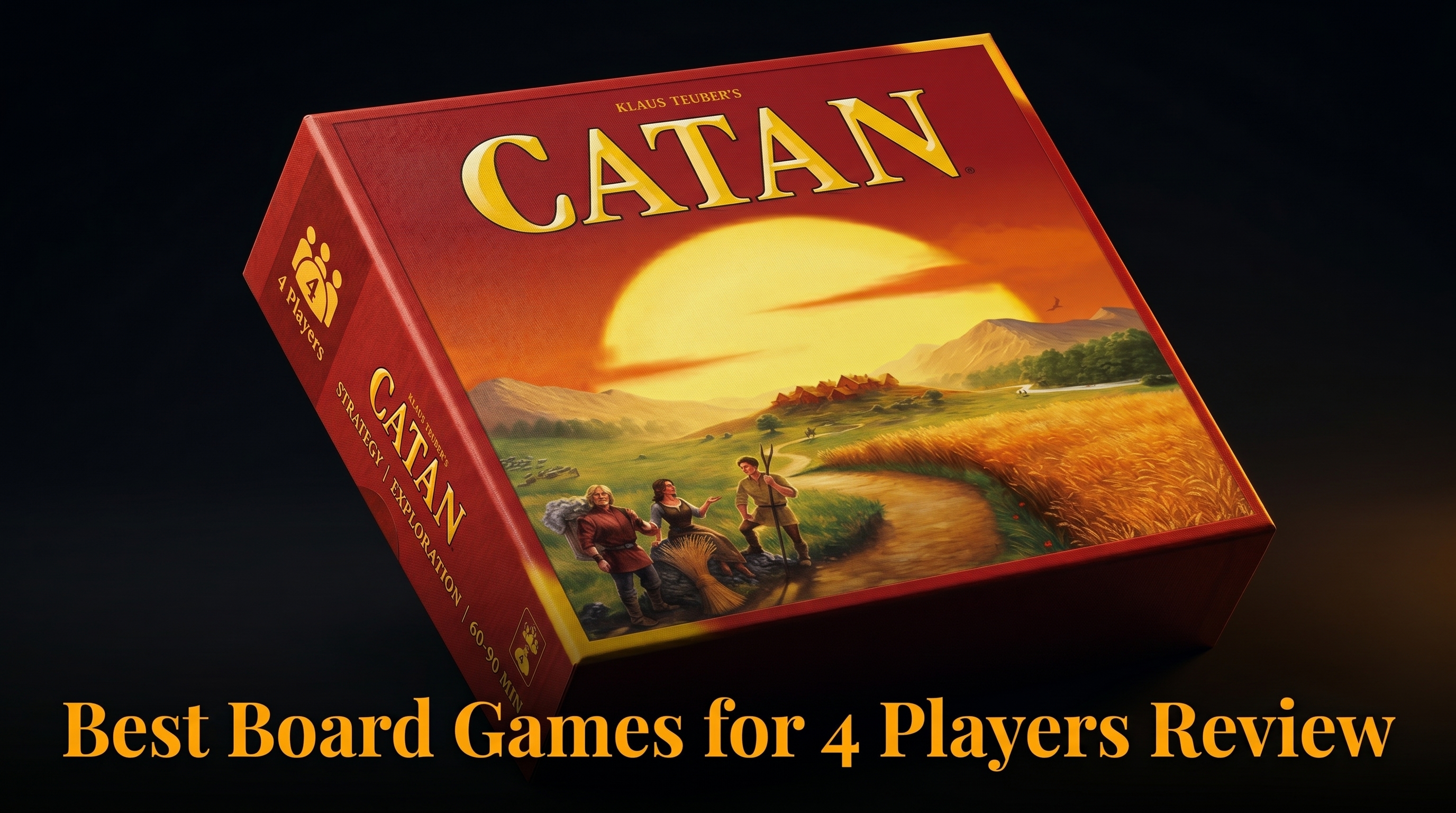
If you’ve played Catan more than a handful of times, you already know the arc. Someone locks up wheat and ore. Someone else monopolizes ports. The robber camps on your best hex for three turns and you spend the rest of the game trading one resource for another at a terrible rate while someone quietly builds to ten points and wins.
We love Catan. It’s in our Catan review and we mean it — that game has a permanent spot in the collection. But after enough plays, the itch shifts. You want something with that same feeling of watching your little empire grow, of jostling for space on a shared board, of needing this one resource more than anything else — just with a few different cards in the deck.
So we went looking. Not just at “games that have hexagons” or “games with resources” — but at games that actually recreate one or more of the things that makes Catan fun: the territorial tension, the trading and negotiation, the slow-burn engine building, the moment when someone realizes they’ve been outmaneuvered.
Click here to jump to the comparison table…
A quick note on how we built this list: we pulled from BoardGameGeek community recommendations, Reddit’s r/boardgames threads, and several board game review sites, then cross-referenced with our own plays and what we know about our group. The goal is a list you’d actually act on — not ten games that technically share a mechanic with Catan but feel nothing like it.
Board Games Similar to Catan Comparison Table
(Click the thumbnail to jump down to the entry)
| Image | Game | Players | Time | Price | Our Rating |
|---|---|---|---|---|---|
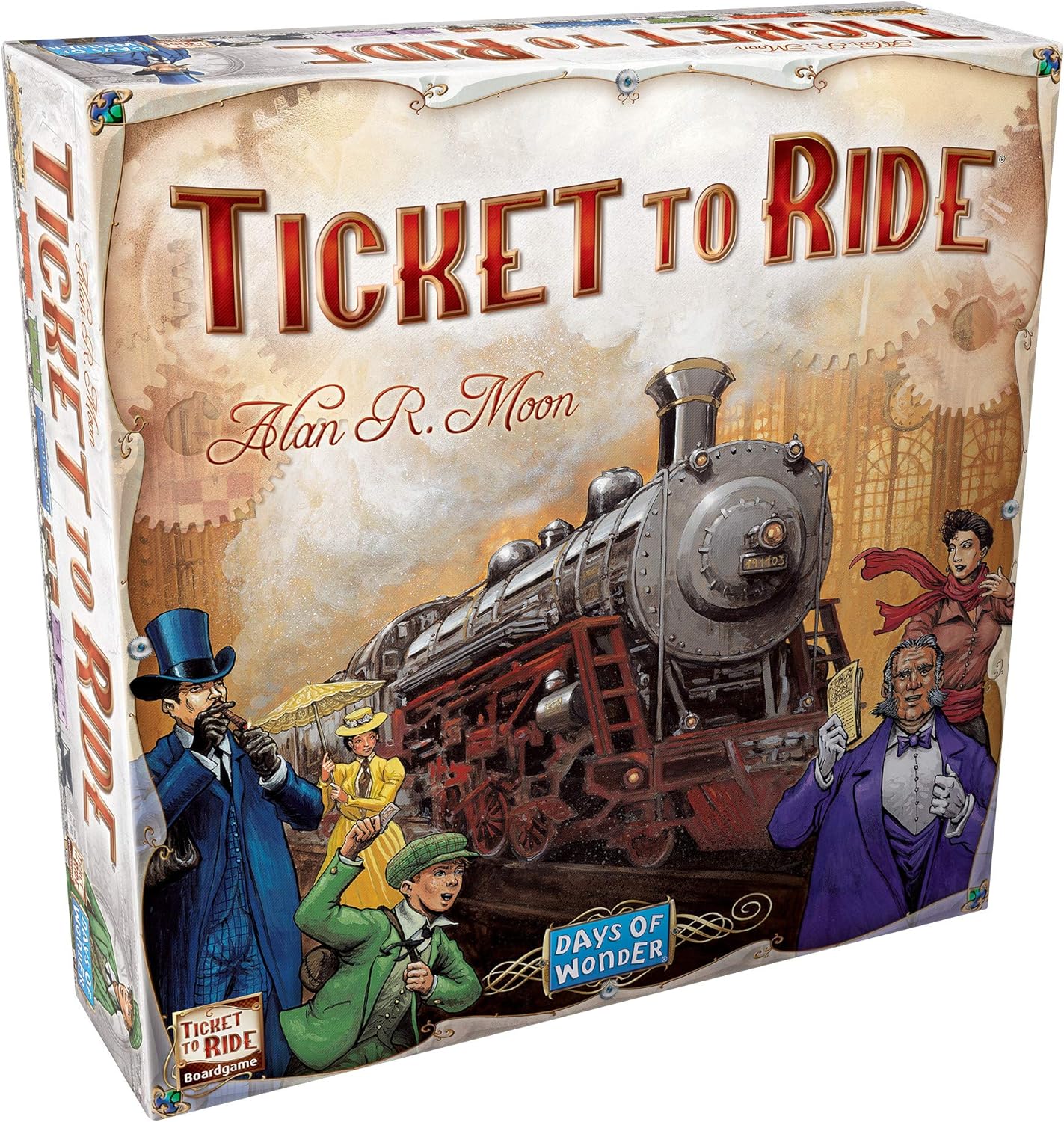 | Ticket to Ride | 2–5 | 45–75 min | $$ | — |
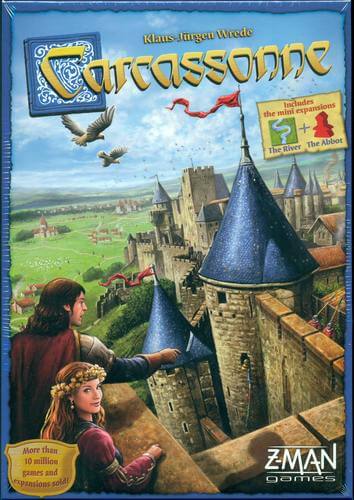 | Carcassonne | 2–5 | 30–45 min | $$ | — |
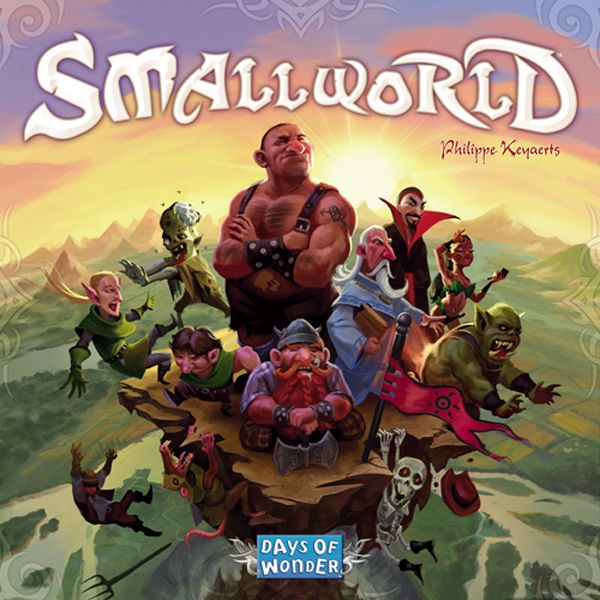 | Small World | 2–5 | 40–80 min | $$ | — |
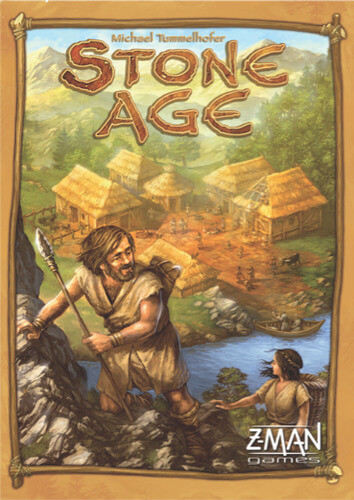 | Stone Age | 2–4 | 60–90 min | $$ | — |
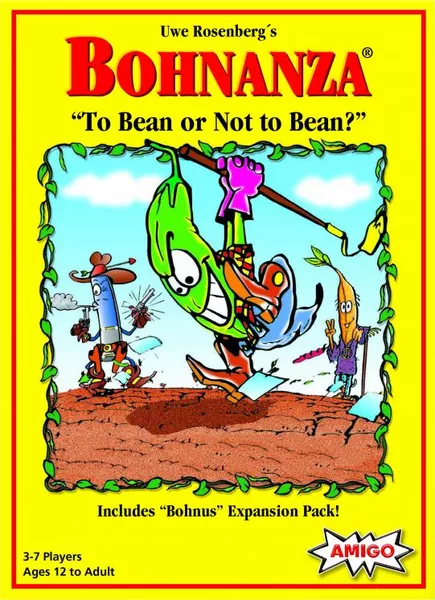 | Bohnanza | 2–7 | 45 min | $ | — |
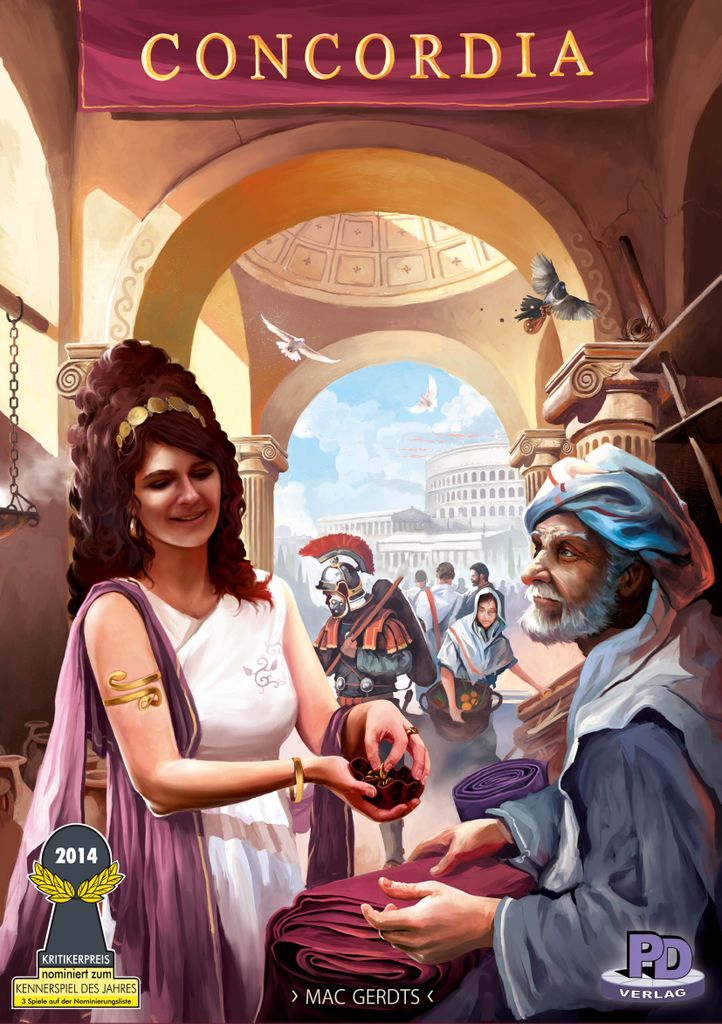 | Concordia | 2–5 | 90–120 min | $$$ | — |
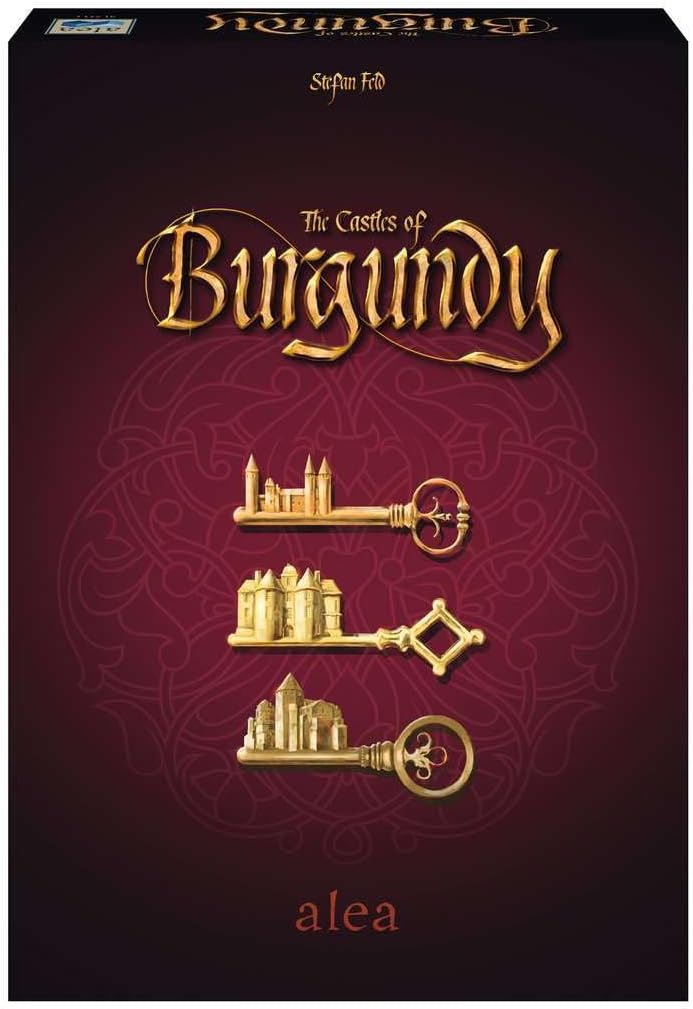 | Castles of Burgundy | 2–4 | 30–90 min | $$ | — |
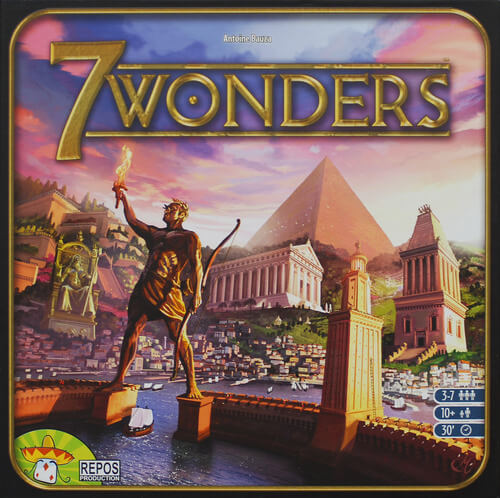 | 7 Wonders | 2–7 | 30 min | $$ | — |
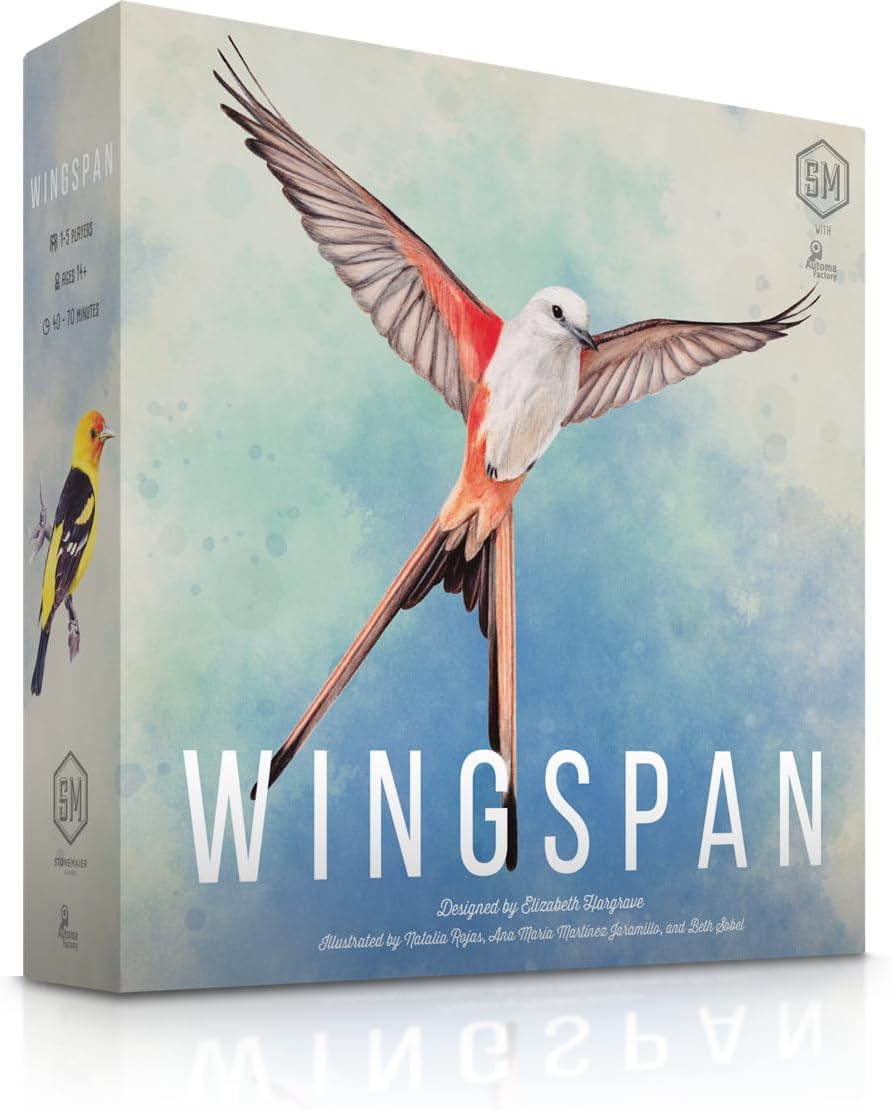 | Wingspan | 1–5 | 40–70 min | $$$ | — |
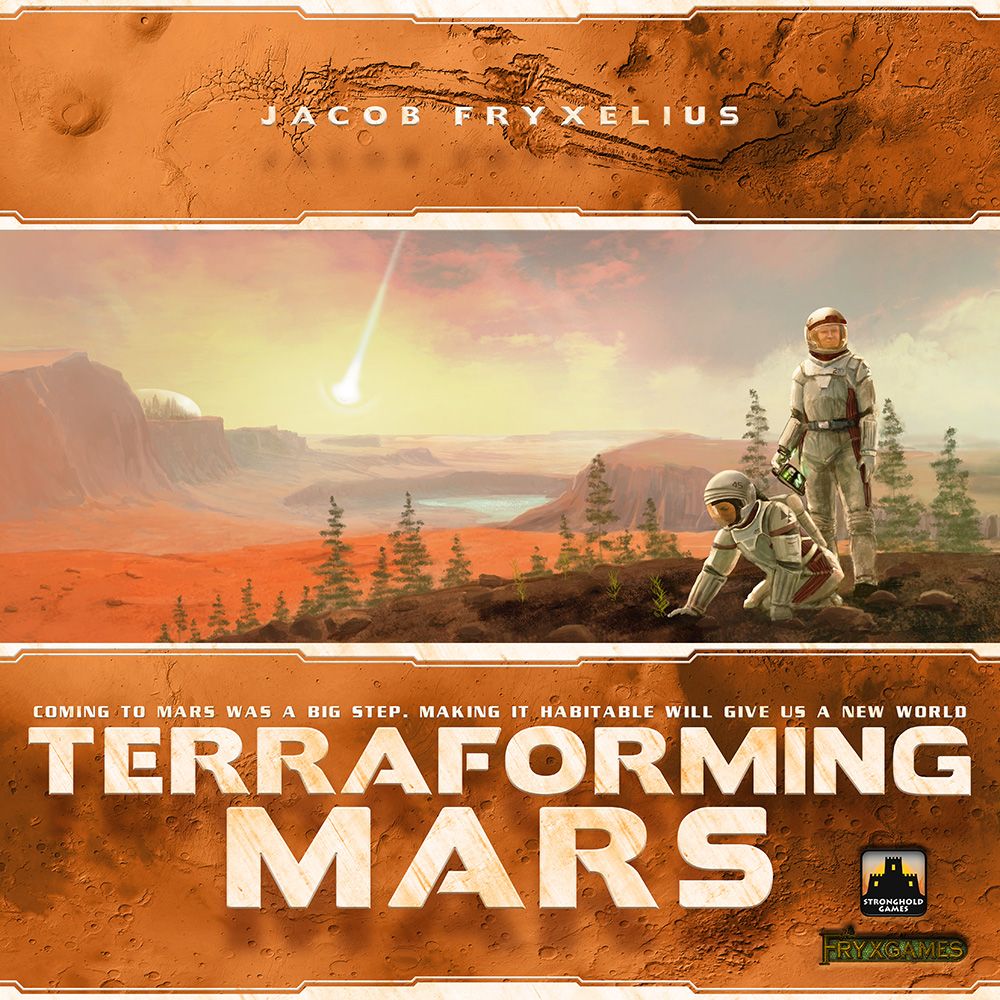 | Terraforming Mars | 1–5 | 90–120 min | $$$ | — |
1. Ticket to Ride (Full Review Here)
If Catan is the game everyone has heard of, Ticket to Ride is the game everyone ends up buying right after. For good reason.
You’re building train routes across a map, racing to connect cities before your opponents claim the routes you need. Sound familiar? The map tension is almost identical to Catan. You’re watching everyone else’s progress, doing mental math about who might be heading for the same chokepoint, and making that classic decision: do I lock this in now, or wait for something better?
The big difference is luck. There’s still some — you’re drawing colored train cards to match route colors on the map — but there’s no robber, no dice rolling for resources, no losing half your hand to a 7. The plan you build tends to hold together better. It’s a little less chaotic, which some groups love and others find slightly less exciting.
We’ve introduced this to more people than almost any other game. Of the couples we’ve played with, several bought it the next day. That’s not a coincidence. It’s accessible, the rules take five minutes, and the tension near the end — when the routes start running out — is genuinely nail-biting.
If your group loves Catan but sometimes gets frustrated by the luck swings, start here.
2. Carcassonne (Full Review Here)
Carcassonne shares Catan’s best quality: the board doesn’t exist when you start the game. You build it together. Flip a tile, connect roads to roads and castles to castles, place your meeple to claim a feature — and slowly, the map grows into something contested and crowded.
The territorial tension here is real. You drop a meeple on a promising city, then watch in mild horror as another player starts tiling into it from the other side. You’re not trading resources; you’re fighting for space. Same feeling, different mechanism.
It plays faster than Catan and teaches faster too. The rules are simple enough that new players are contributing meaningfully in their first game, not spending rounds confused about what they’re supposed to want. For groups with mixed experience levels, Carcassonne handles that better than almost any other game.
One honest caveat: the luck is different than Catan’s, not absent. Drawing the wrong tile at the wrong moment can hurt. A partial fix we’ve used — help each other look for where a tile fits, which keeps everyone engaged and, if you’re being tactical about it, subtly steers people toward spots that benefit you too. It works better than it sounds.
Check out the Carcassonne versions and expansions post if you like what you see — there’s a lot of room to grow with this one.
3. Small World
If what you love about Catan is the blocking, the crowding, and the moment someone realizes they’ve been boxed out — Small World is the game for you.
You pick a fantasy race with a special power (there are dozens of combinations, dealt out randomly), invade territories to score coins, and eventually decide when your race is done and “put it into decline” so you can pick a new one. The map is deliberately too small for everyone. Conflict isn’t optional; it’s the whole point.
What makes it a great Catan alternative isn’t just the territory control — it’s the replayability. Because the race-power combinations shift every game, the strategies are always different. One game the Flying Giants dominate. Next game it’s the Heroic Wizards. You can’t play the same way twice.
The criticism that comes up most often is that it can feel swingy — a powerful combination enters the game late and steamrolls. It happens. But it resolves faster than Catan’s frustrating stretches, and the “put your race into decline” mechanic means there’s always a reset valve. No one is locked into a bad position forever.
For groups who love Catan’s conflict but want something with more direct confrontation and less luck tied to dice rolls, Small World is a serious recommendation.
4. Stone Age (Full Review Here)
Stone Age scratches the resource-gathering itch directly. Wood, clay, stone, food — you collect these, use them to build stuff, and build your civilization up over the course of the game. If that sounds like Catan without the ocean of hexagons, you’re not wrong.
The difference is how resources are gathered. Instead of rolling dice and hoping your number comes up, you send workers to resource locations on the board. More workers on a spot means more dice you roll for that resource — still dice-based, but with more control. You decide where to commit. The randomness compresses.
What Stone Age adds that Catan doesn’t have is worker placement — the feeling of weighing your limited actions against a board full of options that other players are also eyeing. If someone takes the best farming spot before you, you adapt. It’s the same scarcity dynamic as Catan’s ports, just applied to actions rather than space on the map.
It’s lighter than the deeper euros on this list, which makes it a great next step rather than a big leap. If your group is ready to try something new but isn’t looking to spend an hour learning rules, Stone Age sits in a comfortable middle ground.
5. Bohnanza
Ask a board game community “what game should I play if I love Catan’s trading?” and Bohnanza shows up in the first three replies, every time.
You’re planting beans. Different types, in fixed fields. The catch: you can’t rearrange your hand. Cards must be played in the order you hold them, which means you’ll regularly have beans you don’t want and desperately need ones you don’t have. So you trade. Constantly. Aggressively. Players are making deals on everyone else’s turns, shouting about what they need, offering bad trades for good ones, trying to dump a card they hate onto someone who’ll take it.
It sounds chaotic because it is. But it’s controlled chaos — the same kind of wheeling and dealing energy that makes a good Catan trade negotiation fun, packaged into a 45-minute card game that costs about $20.
One fair note: if the trading in Catan isn’t your favorite part — if you liked the board presence and the territorial element more — Bohnanza won’t do it for you. There’s no map, no building, no blocking. It’s pure deal-making. For the right group, though, it’s one of the funniest games you’ll play all year.
6. Concordia
Concordia is what BGG forums recommend when someone says they love Catan but hate the luck. It’s the most common “serious” answer to this question, and deservedly so.
You’re Roman merchants expanding trade routes across a Mediterranean map — building settlements, managing resources, sending traders to new cities. The map feels like Catan. The goal feels like Catan. But there are no dice. Your resources come from what you’ve built on the map, and your actions come from a hand of cards you manage over the course of the game. Skill and planning replace the dice entirely.
The scoring system is elegant and brutal: at the end, you count points based on cards in your hand — one card type might score points per resource type you produce, another per city you’ve settled. You’re building a scoring engine without knowing exactly how it’ll pay off until you’ve committed to a direction.
The downside for groups who love Catan’s social energy: there’s no trading with other players. Concordia is competitive, but quiet. The negotiation is gone; the strategic tension stays. Whether that’s a feature or a bug depends entirely on your group.
If someone in your group says “I like the building and expansion part of Catan, not the luck or the negotiation” — hand them Concordia.
7. Castles of Burgundy
Castles of Burgundy keeps the hex tiles and the dice — but flips how they work. Instead of rolling to see what resources you get, you roll dice to determine which actions you can take. Pick up a hex tile from the market, or place one you already have, or sell goods, or something else. The dice tell you which category of action is available; you decide what to do within it.
It’s a clever shift. The luck is still there — you can roll badly and not get what you want — but it’s filtered through a layer of choices. You’re almost always doing something useful, just not always the optimal thing. That feels closer to good strategy than Catan’s “I rolled a 5 and got nothing for the sixth time” moments.
Each player has their own hex estate board they’re filling in with tiles — land plots, mines, castles, ships. The interaction is indirect (you’re grabbing from a shared market) rather than direct conflict. If your group finds Catan too confrontational, this might suit them better. If you want that head-to-head tension, it’s a bit softer here.
The art style is older and gets criticized for that, but the game underneath is genuinely deep. It holds up well.
8. 7 Wonders (Full Review Here)
7 Wonders gives you that civilization-building feeling in about 30 minutes. Everyone is developing their own ancient city — collecting resources, building structures, developing a military, investing in science — across three ages of play.
What makes it stand out for Catan fans is scale. It handles up to 7 players simultaneously with almost no downtime, because everyone plays cards at the same time. Catan at 6 players can drag; 7 Wonders at 7 players moves just as fast as at 3. That’s a genuine structural advantage.
The catch is that the game is more parallel than interactive. You’re watching the players on either side of you (because you pass hands left and right), but you’re not directly trading or blocking in the Catan sense. The competition is quieter. Your military conflicts resolve at the end of each age against neighbors only. It’s tense in a different way.
If your group likes Catan but wants something that scales better and plays faster, 7 Wonders earns a spot in the collection.
9. Wingspan (Full Review Here)
Wingspan is on this list with an honest caveat: it’s not much like Catan. There’s no map, no blocking, no negotiation. But it keeps showing up in “games like Catan” conversations because of the engine-building feel — you’re gathering resources, playing cards to build habitats, and watching your engine grow more powerful over time. That arc of getting stronger as the game progresses is something Catan fans tend to love.
The conflict is minimal. Everyone is building their own bird sanctuary and mostly leaving everyone else alone. For groups where Catan causes table tension — the robber drama, the blocked roads, the trades that feel personal — Wingspan is the lower-stakes version of a satisfying engine-builder.
We’ve played it with people who don’t typically like competitive games and it landed well. It’s beautiful — the cards are gorgeous, the production is exceptional — and it rewards careful play without punishing casual players too hard.
If the group wants something lighter and more peaceful than Catan, Wingspan is an excellent pick. If they want the confrontation and chaos, skip to something else on this list.
10. Terraforming Mars
Terraforming Mars is where you end up when you’ve played Catan a hundred times, graduated through a few of the games above, and want something that takes the core loop as far as it’ll go.
You’re a corporation competing to terraform a shared hex-tile planet. You play cards from a hand, collect resources from what you’ve built on the board, and place tiles to raise the oxygen, temperature, and ocean levels toward the point where Mars is habitable. The hex map is there. The multiple resource types are there. The variable starting conditions are there. The engine building is there. It’s Catan’s DNA taken through a whole evolution.
The honest warning: this game is long. Setup alone takes 15–20 minutes the first few times. New players will spend most of their first game reading card text rather than making strategic decisions. And experienced players can build a significant lead over beginners by mid-game. It’s not a casual pickup.
But if someone in your group looks at Catan and wants more — more systems, more cards, more decisions, more ways to win — Terraforming Mars is the ceiling. The community has been playing it for nearly a decade and still hasn’t exhausted it.
Conclusion
If you want the closest experience to Catan with a few rough edges smoothed out, start with Ticket to Ride or Carcassonne — both are proven, both are accessible, both hit that same “building on a shared map” feeling. For the trading and social chaos, Bohnanza is the move. For players who want to go deeper into strategy without the luck swings, Concordia is the answer the board game community keeps giving, and they’re right.
The games get progressively more complex as you go down this list. There’s no wrong place to start — just pick the one that sounds closest to what your group actually liked about Catan, and go from there.
And if you’re still on the fence about whether Catan is worth it in the first place, our Catan vs Ticket to Ride comparison breaks down exactly which one to buy first.
Thumbnail image artificially generated for illustrative purposes.