Three is a funny number for board games. One too many for a tight two-player duel. One too few for games that need a crowd to breathe. A lot of games technically support three players — the box says 2-4 and you make it work — but there’s a narrower list of games that are genuinely great at three. Not just playable. Great.
We’ve spent a lot of nights at three-player tables, and this list is built around games where three feels like the right number, not a compromise. Strategy games where you can’t rely on an alliance to protect you. Games where every decision has a clear consequence and the pressure stays on.
Click here to jump to the comparison table…
A few things we looked for: balance (nobody gets eliminated and watches for an hour), meaningful player interaction, and a playtime that doesn’t require a full Saturday. We kept the list accessible — nothing here is punishingly complex for newer players, but there’s enough going on to keep experienced gamers interested.
If you’re looking for more specific lists, check out our Best Board Games for Couples or Best Board Games for 4 Players.
Best Board Games for 3 Players Comparison Table
(Click the thumbnail to jump down to the entry)
| Image | Game | Players | Time | Price | Our Rating |
|---|---|---|---|---|---|
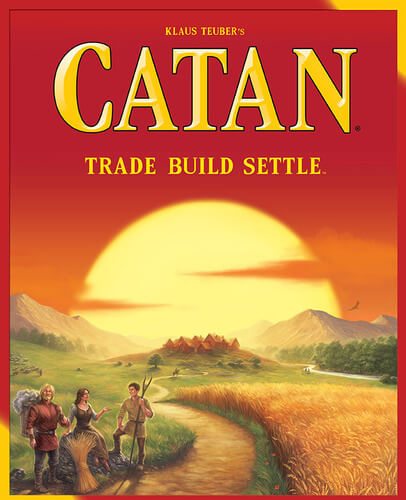 | Catan | 3–4 | 60–120 min | $$ | 3.8 / 5 |
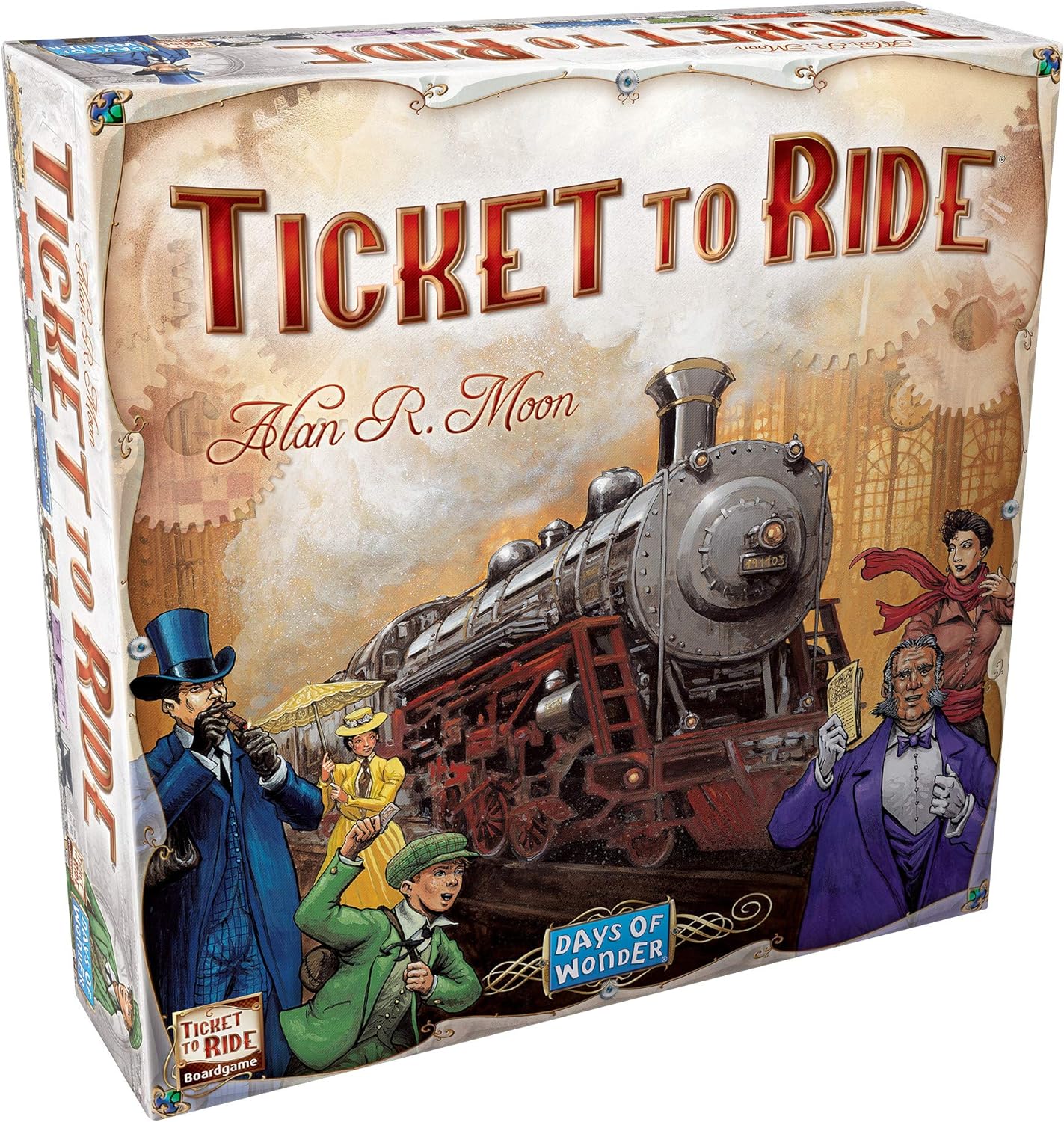 | Ticket to Ride | 2–5 | 45–75 min | $$ | — |
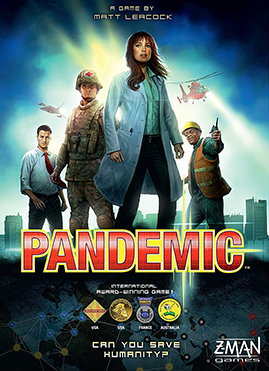 | Pandemic | 2–4 | 45–60 min | $$ | 4.2 / 5 |
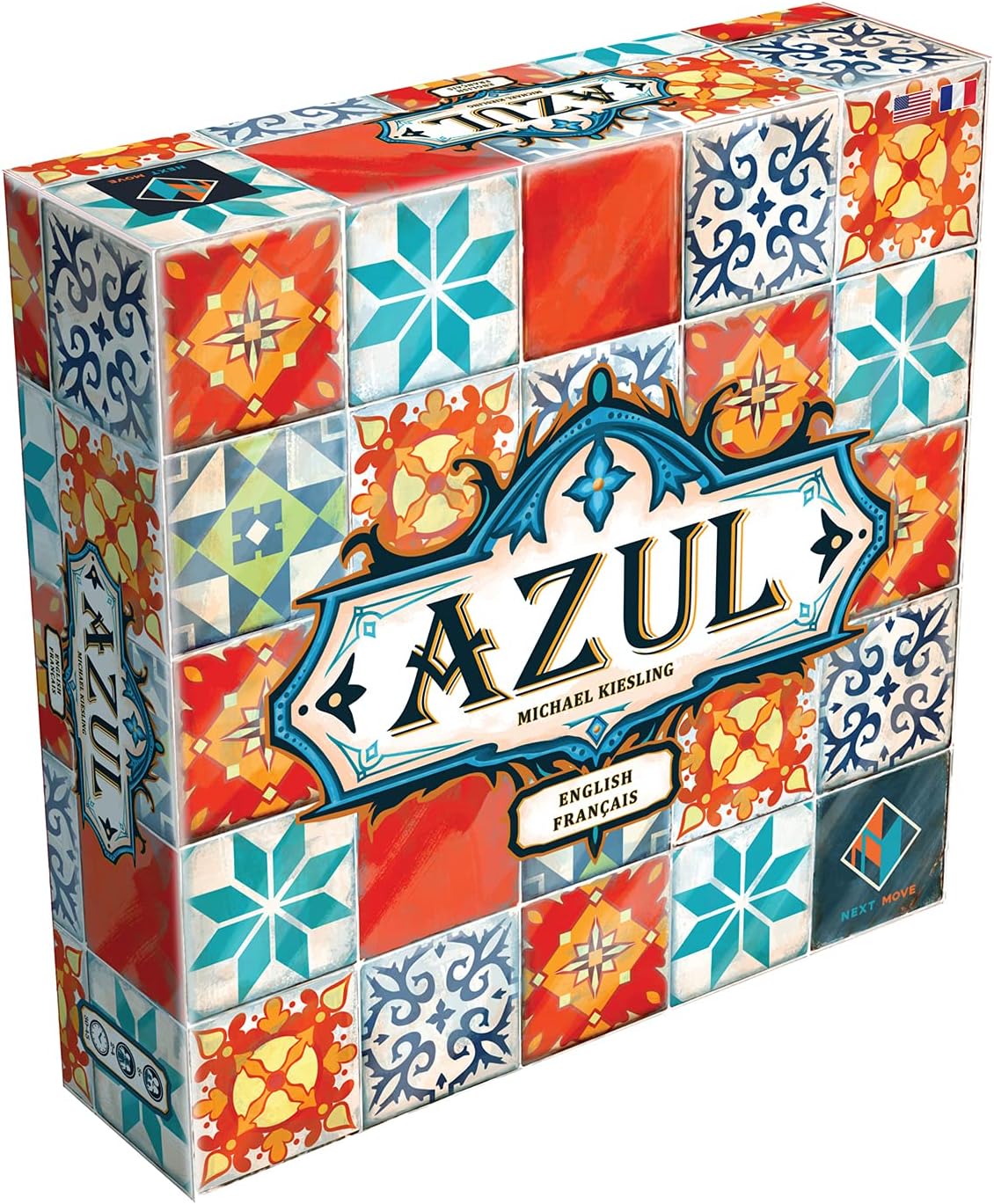 | Azul | 2–4 | 30–45 min | $$ | 4.7 / 5 |
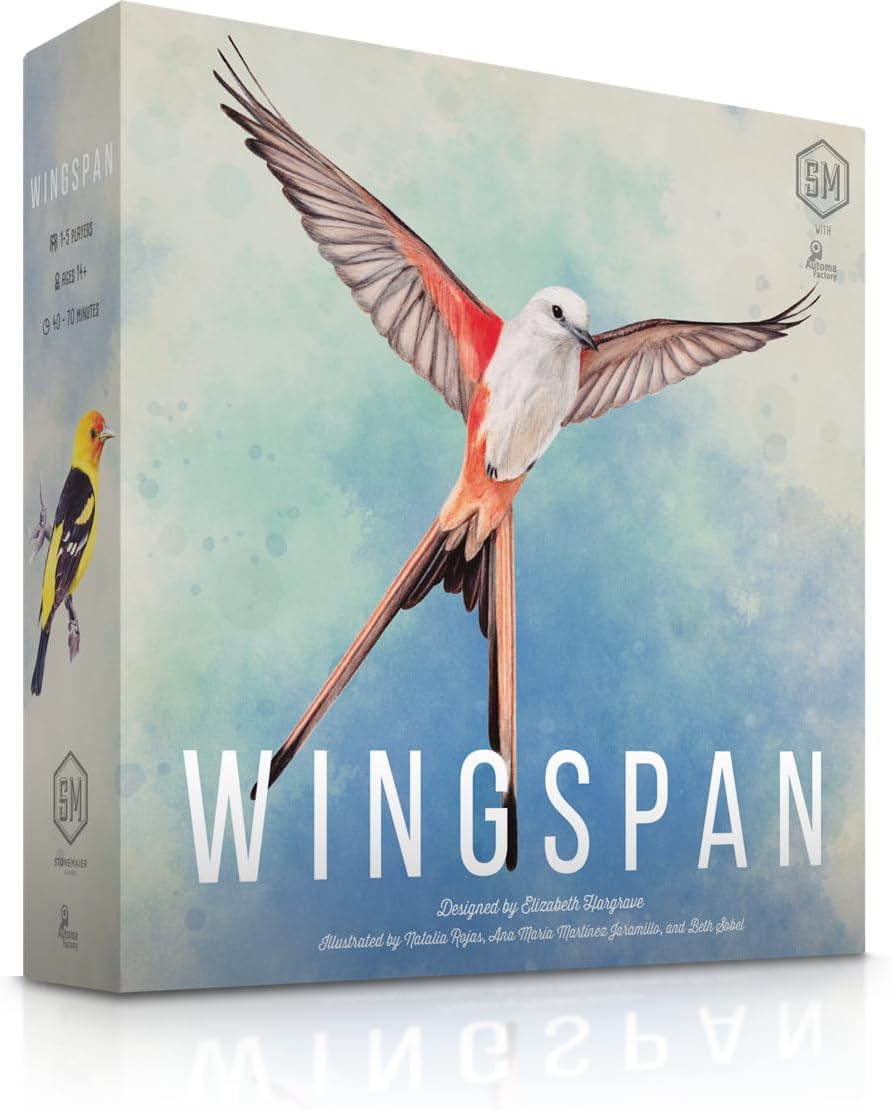 | Wingspan | 1–5 | 40–70 min | $$$ | — |
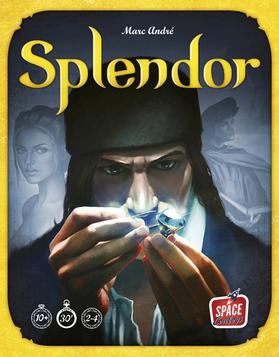 | Splendor | 2–4 | 30 min | $$ | — |
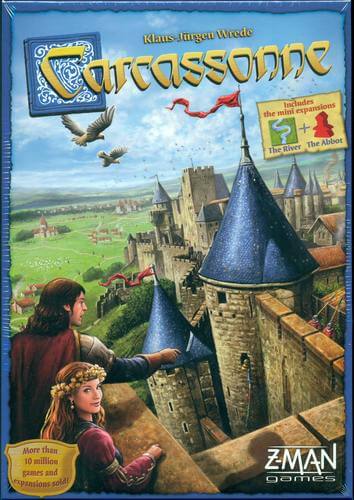 | Carcassonne | 2–5 | 30–45 min | $$ | — |
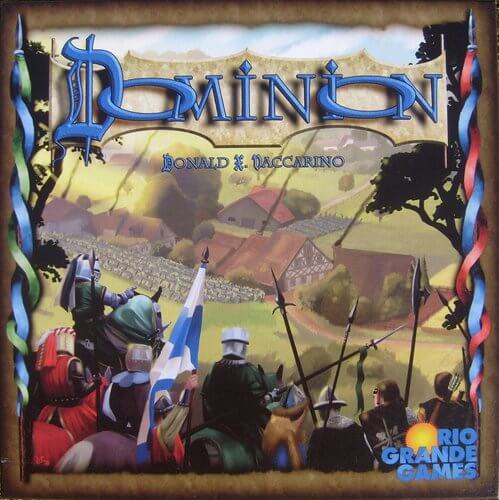 | Dominion | 2–4 | 30 min | $$ | — |
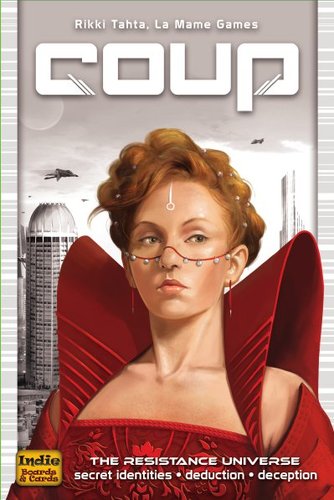 | Coup | 2–6 | 15 min | $ | — |
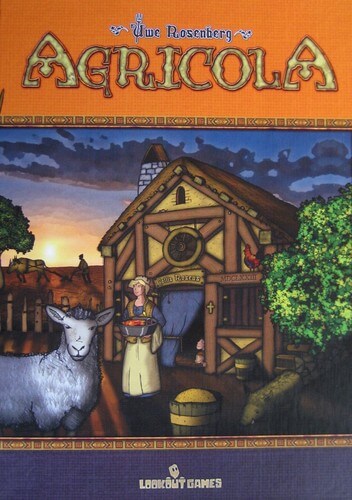 | Agricola | 1–4 | 90–120 min | $$$ | 4.7 / 5 |
1. Catan (Full Review Here)
Catan is the reason a lot of people got back into board games. It’s also a good litmus test for your friend group — after a few sessions you’ll know exactly who at the table is willing to block a road just to spite someone.
At three players, the board feels wide open early, but it tightens fast. There’s enough room to establish yourself, and the trading dynamics actually work better here than at four or five — you only have two people to negotiate with, so every deal matters more. Nobody can quietly hide in a corner.
The core loop is simple to learn. Roll dice, collect resources, build settlements, roads, or cities, trade when you need something. It’s accessible on the first play. The tension builds naturally as the board fills up and the good spots disappear.
Where it earns its spot on this list is the negotiation layer. The trading at the table — who you’ll trade with, whether you trust someone to not use that ore against you — is social in a way most games aren’t. Three players strips that down to its essentials. Every deal is visible. Every trade can be critiqued.
The one honest caveat: dice luck is real. A bad run of numbers can leave you behind for long stretches with nothing to do about it. Go in expecting that, and you’ll enjoy it. Fight it, and you won’t.
We’ve had some of our most competitive post-game conversations over Catan. It’s the game people keep coming back to, even after they’ve played things that are technically better.
2. Ticket to Ride (Full Review Here)
If Catan is about negotiation, Ticket to Ride is about quiet competition. You’re laying train routes across a map, completing destination tickets, and trying to connect cities before someone else takes the route you need.
At three players, this game hits a sweet spot. The map isn’t crowded enough to block people out early, but there are enough contested routes — especially the shorter ones — that you can’t ignore what everyone else is building. You’re watching the board constantly.
The tension is mostly silent. There’s no trading, no direct conflict. You just watch someone take the one corridor you needed and recalculate. That specific feeling — seeing a route disappear a turn before you were going to claim it — is something players talk about hours after the game ends.
It’s fast to teach. Rules take five minutes. The first game usually clicks within one round. This makes it a strong pick for a group where someone is new, or you want something engaging but not overwhelming.
The negative: if you fall behind on destination ticket points, catching up is hard. A rough start (bad tickets, blocked routes) can make you feel like you’re playing out the clock. But honest moments like that are rarer at three than at four or five, simply because the board is less chaotic.
Ticket to Ride is one of those games that feels breezy while you’re playing it, and then you count the points at the end and realize it was tense the whole time.
3. Pandemic (Full Review Here)
Three players might be the best player count for Pandemic. Two can feel thin — each player is covering a lot of map. Four starts getting loud and can tip into analysis paralysis. Three keeps the communication real without turning into a committee meeting.
Pandemic is cooperative. You’re all working together to stop four diseases from spreading across the globe before you run out of time. Roles are asymmetric — one player might be great at treating disease, another at moving quickly, another at sharing cards. Figure out how to use each other, or you’ll lose.
And you will lose. Pandemic is hard. The infection deck works against you systematically, and epidemic cards hit at the worst times. The games we’ve won felt genuinely earned. The losses rarely felt unfair — usually you can trace back exactly where things went sideways.
At three players, roles carry more weight. With fewer people, each individual’s special ability matters more. There’s no excess — every turn counts. That focus makes three-player Pandemic feel tighter and more purposeful than at larger counts.
One honest note: some players find cooperative games less compelling because someone tends to take a leadership role and call out the “right” move. If your group has strong personalities, you may hit that pattern. The fix is just to make sure everyone at the table has ownership of their own turn.
Strong pick for any three-person group, especially if you want something collaborative rather than competitive.
4. Azul (Full Review Here)
Azul is a tile-drafting game. You’re pulling colorful tiles from a central market and placing them on your personal player board, trying to complete rows and score points. Simple to explain. Takes about 30 minutes. Deceptively competitive.
The reason Azul is so good at three players is the drafting mechanism. Each round you’re choosing from a limited shared pool of tiles — and every tile you don’t take is a tile your opponents might want. Taking a tile someone else needed, or leaving them a pile of colors they can’t use, is a real strategic tool.
Three players keeps the drafting tight. With four or five, there’s often enough in the pool that you can ignore what others are doing and just optimize your own board. At three, you’re always aware of what everyone else is building.
The physical game is excellent. The tiles are solid, heavy pieces. The player boards are satisfying to fill in. It’s the kind of game that looks great on the table and draws people over to ask what you’re playing.
The catch: Azul can feel punishing when tiles you can’t place pile up as negative points. For newer players, understanding how to avoid that takes a game or two to click. Once it does, the game opens up.
One of our favorites. Comes out constantly.
5. Wingspan (Full Review Here)
Wingspan is an engine-building game about birds. You’re filling a tableau with bird cards, each with a unique power, and trying to build chains of effects that snowball over four rounds.
At three players it flows well — turns move quickly because everyone understands the basic actions (gain food, lay eggs, draw birds, play a bird), and the engine-building is satisfying to watch take shape. The game has a gentle competitive structure. You’re not directly blocking or attacking anyone. You’re racing to build the most efficient engine before the rounds run out.
It’s a beautiful game. The artwork on each bird card is distinctive and specific — real species, real facts printed on the back. The eggs, the dice tower, the wooden bird tokens — this is a game that earns its price just in how it looks and feels on the table.
No two games feel the same. Bird cards are drawn randomly, which means your engine always develops differently. You’re always working with constraints.
The honest note: Wingspan is quieter than most games on this list. If your group is looking for direct conflict, negotiation, or bluffing, this isn’t it. It’s contemplative. Some people love that. Others find it a little low-energy. Know your group.
At three, the pace is right and the competition is real without being aggressive.
6. Splendor (Full Review Here)
Splendor is a gem-collecting engine builder that plays in about 30 minutes and packs a surprising amount of decision-making into a small box. You’re collecting gem tokens to buy development cards, which generate permanent gems, which help you buy more expensive cards — and eventually attract noble tiles worth big points.
The tension in Splendor is always visible. The cards in the center of the table are shared. Everyone can see what you’re building toward. At three players, you’re never more than a couple of turns from someone taking exactly the card you were planning to buy.
It’s fast and repeatable. The 30-minute playtime means you can play twice in an evening without anyone getting tired of it. The game has a clean learning curve — the first game people usually figure out the basics, and by the second they’re playing with actual strategy.
What three players adds: with one fewer opponent than four-player, the reserved card mechanic (holding a card you want to buy later) matters more. There’s room to breathe slightly, but the best cards still disappear fast.
A great filler that doesn’t feel like a filler. Easy to teach, quick to play, and more competitive than it looks.
7. Carcassonne (Full Review Here)
Carcassonne is a tile-laying game where you’re building a medieval landscape together — placing tiles that form cities, roads, and fields — and then claiming features with your meeples to score points. It’s one of the best gateway games in the hobby, and it works particularly well at three.
The meeple tension is what makes three the right number here. You only have a limited number of meeples, and once they’re down on the board, you can’t use them elsewhere until a feature is completed. At three players, that tension is constant — there are enough people adding tiles to the shared board that your plans get disrupted regularly, but not so many that the game becomes chaotic.
It’s easy to teach. Place a tile, optionally place a meeple, score when features complete. New players pick it up mid-game. That makes it one of the best options when someone at the table is less experienced.
The competitive dynamic at three is subtle but real. You can join another player’s city by connecting a tile — which either scores you points off their work or dilutes their majority. That decision, every time it comes up, creates genuine tension.
One weakness: the game can drag slightly if everyone is cautious. A partial fix: help each other find where tiles fit, which keeps everyone engaged and — if you’re strategic about it — lets you subtly guide tiles toward spots that happen to help you.
8. Dominion (Full Review Here)
Dominion invented the deck-building genre. You start with a weak hand of cards, buy better ones from a central market, and try to build a deck that generates more victory points than anyone else. The mechanic has been copied dozens of times — nothing matched the original.
At three players, Dominion hits a good rhythm. Turns move fast. The shared card market creates implicit competition — when a card pile depletes, everyone has to adjust. At three, you can watch what the other two are building and respond, which you can’t always do at two.
The replay value is exceptional. You only use 10 action card types per game, usually picked randomly. The odds of the same setup repeating are very low. Each game asks a different strategic question.
The first game can be overwhelming — lots of card text, lots of options. Push through it. The second game is where it clicks. By the third, people start planning strategies before cards are even dealt.
One honest point: Dominion is card-heavy and light on table presence. No board, no miniatures. If your group is drawn in by visual appeal, this one requires a bit more imagination to get excited about at first glance. The gameplay more than makes up for it.
9. Coup (Full Review Here)
Coup is a 15-minute bluffing game where everyone starts with two hidden role cards, and you’re trying to eliminate everyone else’s cards before they eliminate yours. Every turn you claim an action — and any action can be blocked or challenged. The catch: you can claim any action whether or not you actually have that card. Bluffing is not optional. It’s the whole game.
Three players is the minimum sweet spot for Coup. With two it’s too easy to read — you know exactly who has what. Three keeps things murky enough to matter. The bluffs land. The challenges are real. You’ll spend the whole 15 minutes staring at someone trying to figure out if they actually have a Duke.
It’s chaotic in the best way. Games swing hard. You can go from one card left to winning in two turns. The post-game reveal — where everyone finally shows what they were actually holding — is almost as fun as the game itself.
The warning: Coup is not for everyone. It’s social deduction, which means some people feel uncomfortable bluffing directly to their friends’ faces. That’s fine. Know your group. For the people who enjoy it, it becomes a session staple.
At three, the game is quick, tight, and merciless.
10. Agricola (Full Review Here)
Agricola is a worker placement game about running a farm in 17th-century Europe. You’re feeding your family, expanding your house, cultivating fields, and raising animals — all while competing with the other players for a limited pool of action spaces. It’s the longest and most complex game on this list.
At three players, Agricola is excellent. The action space scarcity — the mechanism that creates the pressure — is tuned well for three. You block each other constantly. You never have the luxury of assuming an action space will be there when your turn comes around. Plans fall apart regularly.
The “feeding your family” mechanic keeps the tension constant in a way most games don’t. Every harvest phase, you need enough food to feed your workers. Fall short and you take a begging card. That ever-present constraint forces hard decisions from the very first round.
It rewards replay. The occupations and minor improvements you can draft create wildly different strategies. A game where you lean into grain farming feels completely different from one where you pivot to animal husbandry. The depth here is real.
The honest caveat: Agricola takes 90 to 120 minutes and has a learning curve. The first game is genuinely complex — lots of cards to read, lots of moving parts. This is the game to reach for when your group wants to commit to a serious session, not a light evening.
The first game is rough. Every game after that is genuinely fun.
Conclusion
For a quick evening, Azul or Coup are the two we reach for first at three players. Both are under 30 minutes and work on the first play. If you want something with more weight, Pandemic and Catan are the two we’ve played most with exactly three people and they both hold up. For a proper sit-down night, Agricola.
If you’re building a collection from scratch, start with Catan — it works at three, scales to four when you need it, and gives you a foundation to compare everything else against.
For more game recommendations, check out our Best Board Games for Couples or Best Board Games for 4 Players.
Thumbnail image artificially generated for illustrative purposes.